
Reviewed · ALCAZABA & ROMAN THEATRE TOURS
Roman Theatre and Alcazaba of Málaga Tour
Roman Málaga has a way of surprising you. In just about 90 minutes, you shift from a 1st-century Roman stage to the Alcazaba fortress that locals compare to the Alhambra. It is a neat pairing because both sites sit in the same hillside world, but tell totally different stories.
I especially like that this is led by an official guide in English, so the details land fast instead of feeling like a scavenger hunt. I also like the pacing and group size, with a maximum of 20 people, and that Alcazaba tickets are included in the price.
One thing to consider: Alcazaba involves moving up toward the higher gardens and palace areas, and the experience depends on good weather. If you hate stairs or you are visiting in a week of wet forecasts, you might want to plan around that.
Quick takeaways
- Two eras, one tight route: Roman Theatre at the start, then the Alcazaba climb and views.
- Official English guide: you get stories and context instead of just looking at stones.
- Alcazaba entry is included: less hassle, better value.
- Small group format: up to 20 people keeps it more personal.
- Short visits, smart focus: about 30 minutes per main stop so you do not lose the day.
- Top-of-fortress finish: gardens, palace spaces, and a view out toward Málaga’s port.
Roman Theatre and Alcazaba: A smart pairing in Málaga
This tour works because it gives you contrast without logistics pain. You start at the Roman Theatre, one of the most intact reminders of Roman Málaga from the 1st century AD. Then you move to Alcazaba, the medieval Arabic fortress that locals call the younger sister of the Alhambra. Same hillside, totally different design logic, and you learn why each place mattered.
What makes it more satisfying than doing two unrelated sights is that your guide connects the dots. Roman Málaga is about civic space and entertainment, with stone built to last. Alcazaba is about control and defense, with tight pathways, strong walls, and higher ground that does the protecting.
And since it is a compact route, you can still spend your remaining time in Málaga wandering on your own, whether that is the old streets, the seafront, or nearby neighborhoods.
More Alcazaba and Roman Theatre visits:
- Málaga: Alcazaba and Roman Theatre Guided Tour With Entry
★ 4.8 · 5,792 reviews - Alcazaba Malaga Guided Tour
★ 5.0 · 1,457 reviews - Malaga Tour with Cathedral, Alcazaba and Roman Theatre
★ 4.5 · 548 reviews
Meeting at the glass pyramid, then stepping into Roman times
You begin at the Pirámide de Cristal on C/ Alcazabilla, 4. The meeting spot is easy to spot and it helps that you start near the action. The tour kicks off at 10:00 am, and the guide meets you there and leads you from the first moment.
From that starting point, you shift right away into the Roman story. Your guide focuses on what you are actually looking at in the Teatro Romano de Málaga, not just a list of facts. You also get a sense of how old Málaga is, and why this city attracted so many cultures over time.
Stop 1 is about 30 minutes. The big win here is tempo. You get enough time to understand what you are seeing, without spending so long that you miss the rest of Alcazaba.
Practical note: the Roman Theatre segment is marked as free admission for that part of the visit, so the guide experience is where the value really sits.
Teatro Romano de Málaga: why this 1st-century stage is so memorable
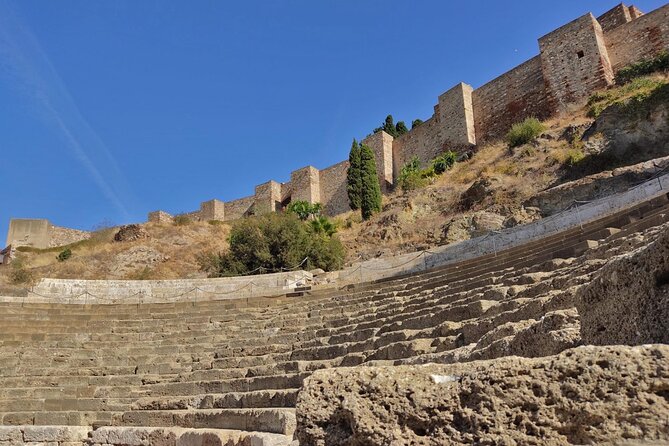
The Roman Theatre is not just ruins. It is a functional piece of urban life from the 1st century AD, and it is one of the main reasons Málaga feels layered instead of flat.
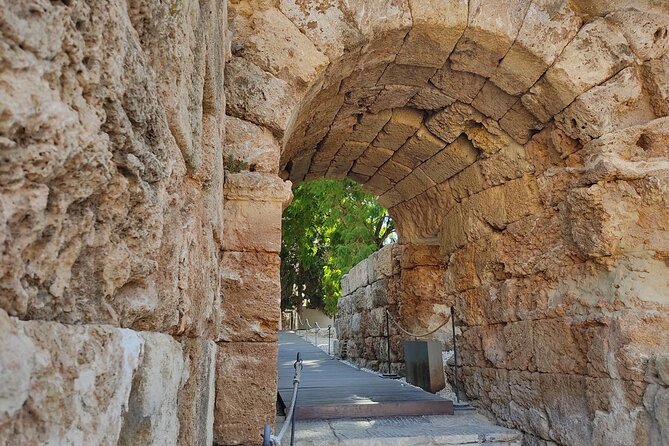
Here is what I find useful to pay attention to at this stop. First, look at the way the structure is preserved. Even if you are not an architecture person, you can feel how the Romans designed for people gathering, watching, and listening in the same shared space.
Second, enjoy the context your guide provides. The best part of a guided visit is when someone explains how a theatre fits into Roman civic pride and community routine. It makes you notice details you would otherwise skip.
This stop is also a great warm-up before Alcazaba. Roman stone is about spectacle and public space. Arabic fortress stone is about protection, control, and lived routines behind walls. Going in that order helps your brain compare what the builders were trying to achieve.
Alcazaba fortress walk: the younger sister of the Alhambra
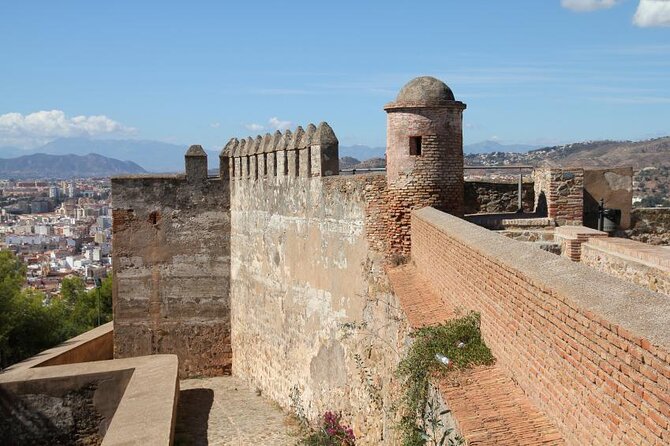
Alcazaba starts the moment your tour shifts from Roman open space to fortress logic. You get about 30 minutes here, focused on how the citadel earned a reputation for being hard to conquer during the conquest of al-Andalus.
I like this part because the fort design teaches you without a lecture feeling. The walls and layout are doing the explaining. Even if you know very little about medieval Iberian history, the physical experience helps you understand why this place could defend itself.
You also get a clear payoff from the tour structure. Instead of trying to figure out Alcazaba on your own with a map and a vague plan, you follow the guide through the key areas. That means you spend less time guessing and more time absorbing.
Alcazaba tickets are included, so you can focus on the visit rather than ticket math.
Same stretch of coast, a different kind of day:
- From Malaga and Costa del Sol: Gibraltar Tour
★ 4.4 · 4,483 reviews - Malaga: Teatro Flamenco Malaga Live Flamenco Show
★ 4.7 · 4,254 reviews - From Málaga: Ronda+Setenil de las Bodegas with Little Train
★ 4.6 · 4,115 reviews - From Malaga: Full-Day Trip to Gibraltar
★ 4.6 · 3,516 reviews
Gardens, palace areas, and the view over the port
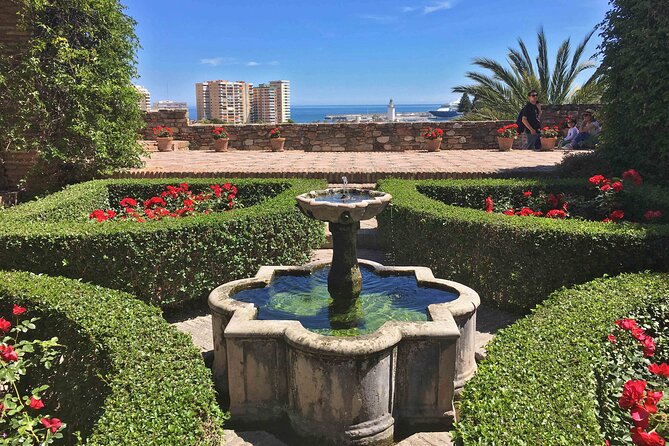
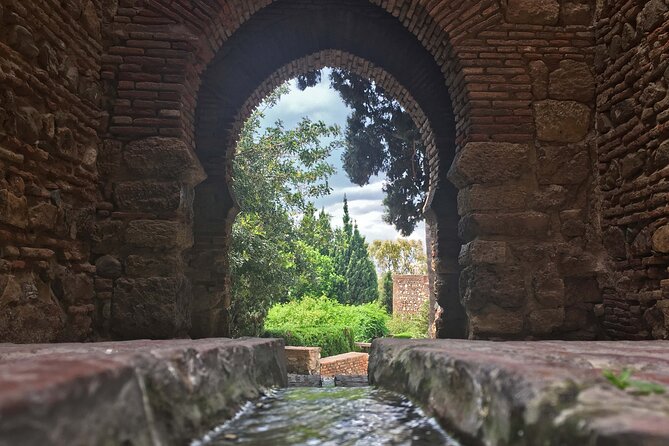
The last stop takes you to the top portion, where the atmosphere changes from heavy defense to carefully planned comfort. This is where you get the Arabic gardens and the palace spaces where kings and governors lived for more than 400 years.
This is the moment when the tour starts to feel less like a history lesson and more like a place you could daydream in. Gardens inside fort walls are a smart contradiction, in a good way. They remind you that people lived here, not just fought here.
Then you finish with a breathtaking view toward the Port of Málaga. I find the best photos are the ones you do not rush. Take a second, look out, and let your understanding of the hilltop location click. Fortresses are always about vantage points, and this one makes that obvious.
If you like sunsets, this route can still work later in the day on your own after the tour, since you are already in the area and you know exactly what to look for.
Guide style, group size, and timing that keeps it fun
This tour’s quality mostly comes down to the guide. The standout theme in the feedback I have seen is storytelling with clarity, and a professional, interactive approach.
If your guide is Raquel Haro (often referred to as Rachel), you can expect a style that makes the sites feel alive. People praised her ability to answer questions and use pictures and explanations that add real perspective, not just dates.
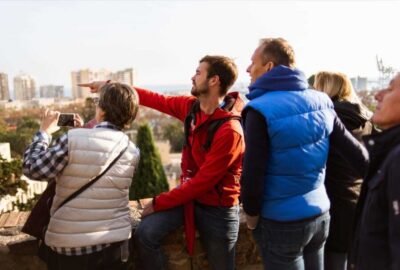
The small group size is another quiet advantage. With a maximum of 20 people, it is easier to ask something and get a response that fits what you are looking at right then. It also helps the pace stay human. You are not sprinting as if you are herding cats, but you also are not stuck in long pauses.
Timing is tight by design. You are out there for about 1 hour 30 minutes, split into focused chunks. This matters because Málaga has lots to offer, and you might not want a half-day commitment just to see two places. This tour gives you a strong “greatest hits” foundation.
Price and value: what $26.43 buys you in the real world
At about $26.43 per person, this is priced like a focused, guided highlights experience. The value comes from two places.
First, you get an official guide for the full time. The difference between reading a plaque and having someone explain what matters is huge. At Alcazaba, especially, the stories and structure can make your visit feel organized instead of confusing.
Second, Alcazaba tickets are included, which removes a common cost and friction point. Then there is the Roman Theatre segment, where admission is listed as free for that part. Put together, you are mainly paying for guided interpretation and time efficiency.
Also, the booking and format feel practical. You get a mobile ticket, the tour is offered in English, and it is designed to run near public transportation. That matters because Málaga can be very walkable, but meeting and finding the right entry points can still take time if you are doing everything yourself.
What to bring, and how to plan your Málaga morning
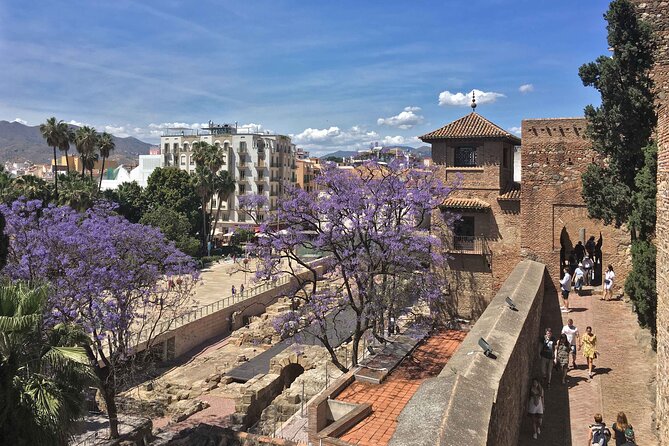
Because your route climbs into the higher parts of Alcazaba, bring the basics for walking: comfortable shoes and water. Even though the tour is short, you are moving between sites and then finishing at viewpoints.
The tour also depends on good weather. If conditions are poor, you may need a different date. When you book, I suggest keeping your schedule flexible if you can.
For timing, a 10:00 am start is a sweet spot. You avoid the most brutal midday heat, and you still finish early enough to keep exploring. After the tour, you will be positioned to keep wandering nearby, and you will have the fortress layout and the Roman anchor in your mind.
Food and drinks are not included, so plan a snack break on your own after. If you like to linger, consider treating Alcazaba as a place you might return to later for extra time in the gardens or for another look from the port-facing viewpoint.
Should you book the Roman Theatre and Alcazaba tour?
If you want a compact, guided way to understand Málaga’s two big layers, I would book it. This tour is ideal when you like your history with clear explanations, and when you want to see the highlights without losing half a day to route planning.
It is also a smart choice if you care about guide quality. The praise you see centers on guides like Raquel Haro telling the story well, answering questions, and using pictures to make the sites easier to understand.
Skip it only if you strongly prefer going at your own pace with no structure, or if your trip is short and you are trying to fit in everything without any walking uphill at all. Otherwise, this is strong value, simple logistics, and a satisfying finish with views of the port.
FAQ
How long is the Roman Theatre and Alcazaba of Málaga tour?
It lasts about 1 hour 30 minutes.
Is the tour offered in English?
Yes, it is offered in English.
What is included in the price?
You get an official tour guide, plus Alcazaba tickets are included.
Where do I meet the guide?
You meet at Pirámide de Cristal, C/ Alcazabilla, 4, 29015 Málaga. The tour ends inside Alcazaba, at C/ Alcazabilla, 2.
Does the tour include food and drinks?
No. Food and drinks are not included.
What happens if weather is poor?
This experience requires good weather. If it is canceled due to poor weather, you will be offered a different date or a full refund.
Fresh options around Malaga
- Night theatrical visit to the English cemetery★ 4.2 · 5 reviews
- e-Bike (Self-Guided) & Winery tour – 20km Easy★ 5.0 · 6 reviews
- e-Bike (Self-Guided) Setenil Circular – 41km Easy★ 5.0 · 11 reviews
- 2h E-bike tours+1day extra in Malaga★ 5.0 · 28 reviews
- Wine & Tapas tour by electric bike (e-bike) including Ronda pickup (full day)★ 5.0 · 34 reviews
- Ronda Private Full Day Wine Tour★ 4.5 · 8 reviews
- Yacht ride in Puerto Banús★ 5.0 · 26 reviews
- Wine, Tapas & Lake Zahara by e-bike incl Ronda pickup (full day)★ 5.0 · 4 reviews
Alcazaba & Roman Theatre Tours, compared.
Alcazaba and Roman Theatre Guided Tour With Entry
Read our review →
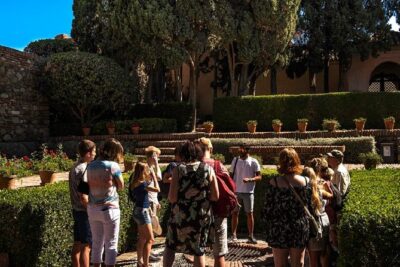
Malaga Tour with Cathedral, Alcazaba and Roman Theatre
Read our review →
Cathedral, Alcazaba, Roman Theater Walking Tour
Read our review →
Gibralfaro Castle, Bullring and Port Segway Tour
Read our review →
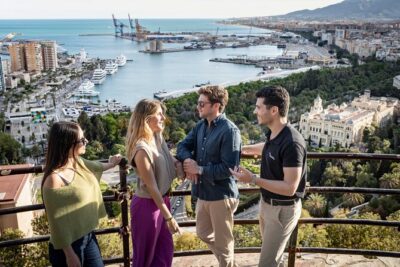
Malaga Private Walking Tour, Alcazaba & Catamaran Cruise
Read our review →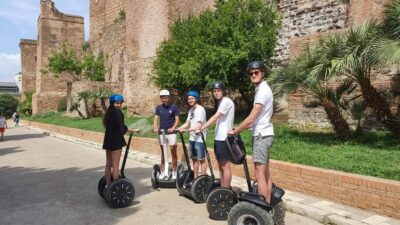
Browse the lists this tour appears in