
Reviewed · COOKING CLASSES
Chefcooking Paella from our Andalusian Grandmother at a Family Farm
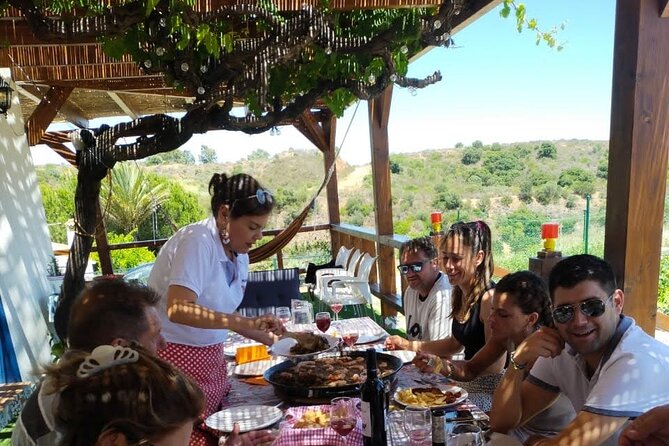
This experience is interesting because you are not just watching paella from a distance, you’re cooking it in a real family farm setting with the stories and ingredients that make Andalusian food feel personal. I like the way they frame the day around Andalusian grandmother-style paella and the farm’s working life, not just the final dish. I also love the practical, step-by-step teaching while you’re eating starters, drinking sangria, and tasting what the recipe should become.
One thing to consider is that cooking happens in a small kitchen and the meal is served for a group, so if numbers ever feel tight, portions and pacing can feel less generous. I’d still book it for the intimate format, but show up hungry and ready for a hands-on afternoon.
Key things that make this day special
- Sangria on arrival made with local wine plus fruits and citrus from their orchard
- Paella de la Abuela Andaluza taught step-by-step, with seafood, meat, or vegetarian options
- Farm walk with sea views and Sierra Bermeja in the background
- Family-focused food choices: mussels, cheeses, olives, Iberian ham and sausages, artisan breads
- Colombian coffee and traditional Estepona dessert to finish the meal strong
- A recipe book included, so you can actually repeat the paella at home
Why This Farm Paella Lesson Feels Different Than a Cooking Class
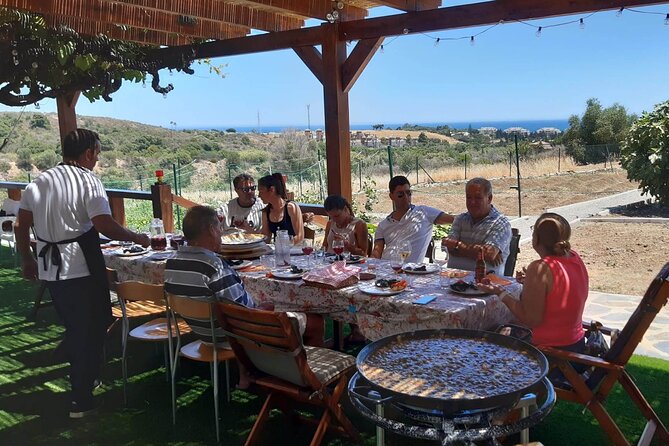
If you like food days that start with a warm welcome and end with you happily full, this one fits the bill. You’ll cook paella on a family farm near Estepona, with the Mediterranean Sea and the Sierra Bermeja framing the walk. It’s the kind of afternoon where the food is the main event, but the farm story and the method matter just as much.
What I like most is that the day has structure. You’re not waiting around for a single course. You’ll start with drinks and typical farm-style starters, then shift into the paella process, and then finish with dessert and coffee. That flow keeps it fun even if you are not an experienced cook.
The hosts also set the tone fast. In the reviews, names like María José, Rafael, Anita, and Sebastián come up again and again, and the consistent theme is how welcoming they feel. You’ll get the sense you’re being hosted, not processed.
More cooking classes in Marbella:
- Málaga: Spanish Cooking Workshop with Paella and Sangria
★ 4.9 · 613 reviews - Malaga: Sailing Catamaran with Swimming and Paella Lunch
★ 4.1 · 578 reviews - Paella Cooking Class in Malaga
★ 5.0 · 209 reviews
The 1:00 pm Arrival: Sangria, Starters, and a Real Welcome
You meet at Las Marías, Cam. Nicola, km 1, 29689 Estepona (start time is 1:00 pm). Plan for about 4 hours total. It’s a small-group format with a maximum of 4 travelers, which is a big reason this doesn’t feel like a mass production.
On arrival, you’re welcomed with sangria made with local wine, plus fruits and citrus from their orchard. It matters because it sets a local Andalusian flavor baseline right away. You’re tasting something that is meant to match the meal, not just a generic drink.
Before the paella part becomes serious, you’ll eat traditional starters. Expect options like steamed mussels, fresh and cured cheeses, olives, Iberian ham and sausages, and artisan breads. The day is flexible too: they offer vegetarian options, and they adapt to any dietary restriction or allergy you tell them in advance.
Tip for your own comfort: go in expecting to snack and sip while you learn. The class isn’t staged to keep you hungry until the main event. You’ll be tasting and drinking as the recipe unfolds.
How You Cook Paella de la Abuela Andaluza (And Why It’s Not Just One Recipe)
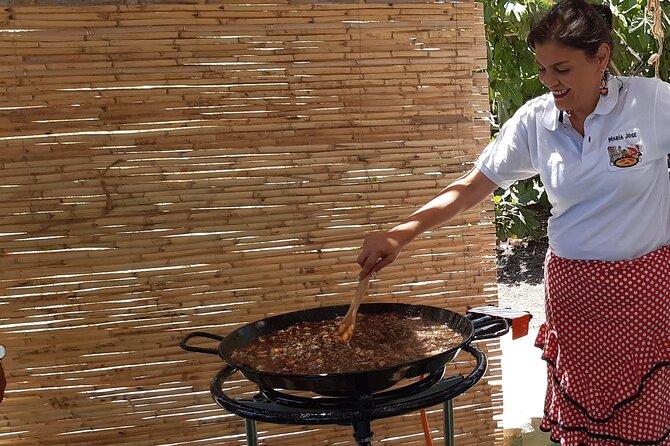
The center of the experience is the paella itself, taught as Paella de la Abuela Andaluza. That phrase matters because the emphasis is on tradition and method, not shortcuts.
You’ll learn the practical steps of the recipe while you’re participating, and you’ll taste what’s happening along the way. The paella can be made with seafood, meat, or vegetarian ingredients, depending on what you choose and what fits the group’s format that day.
What makes the teaching style feel useful
Paella is technical. The timing, the heat, and the ingredient order can decide whether the final pan tastes like comfort food or turns into a rice problem. In the reviews, people specifically call out that Maria and Rafael explain carefully and step-by-step, with extra attention paid to how paella is done properly.
Also, because it’s in a home-farm kitchen, you get a sense of what a real family rhythm looks like. It’s not just, add this, stir that. You’re hearing the story behind the food, and that story helps you remember the steps.
A few more Marbella days worth comparing
- Guided Tour to the only coffee farm in Europe
★ 5.0 · 174 reviews
You should know about pacing and kitchen space
One review mentions the kitchen space felt cramped and that the cooking view was limited. That lines up with how small-group farm cooking works. You might not get the same full “stage view” you’d expect in a big studio kitchen.
So, I’d set your expectations like this: you’re here to cook and eat, not to watch from a perfect camera angle.
Choosing Your Paella: Seafood, Meat, or Vegetarian
You’re offered a choice among three styles: seafood, meat, or vegetarian. What I like here is that they treat paella as adaptable, not as a separate menu.
For seafood lovers, fresh products from the sea are used, including steamed mussels as part of the starter lineup. For meat options, the emphasis stays on the traditional Andalusian approach, paired with the same course flow and teaching.
If you go vegetarian, the experience still includes the same overall structure: drink welcome, starters, paella taught and prepared, dessert, and coffee. That helps if you’re traveling with someone who needs a plant-forward meal. You won’t feel like you’re sitting out the main lesson.
The Farm Walk: Sea Views, Sierra Bermeja, and Stories of Farmers
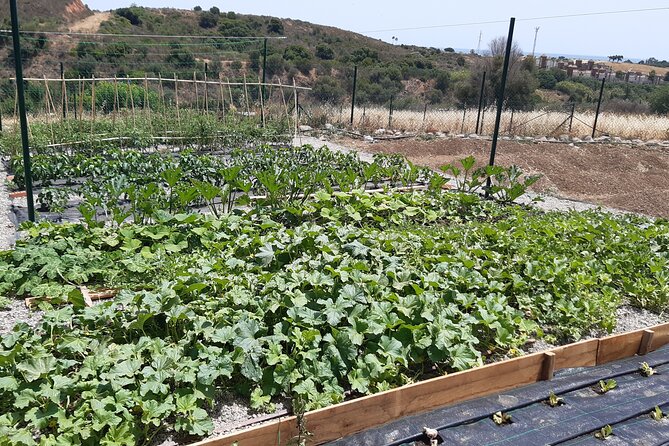
Between eating and cooking, you also tour the farm. The setting is part of the point. You’ll walk with views of the Mediterranean Sea and the Sierra Bermeja as a frame, and you’ll hear stories about the farmers in the area.
This is where the experience turns from a cooking class into a sense of place. The food you’re learning makes more sense when you connect it to where the ingredients come from and how people work the land.
Because the day is tied to their harvest and garden products, it’s not just scenery. It’s context. The sangria uses citrus from their orchard. Their paella is built from products sourced from the local market, plus what comes from the sea, the mountains, and the farm’s garden.
That combo is the kind of detail that sticks with you. You start thinking about Andalusian cooking as a web of local inputs, not as a single signature dish.
What You Eat Beyond Paella: Mussels, Cheeses, Ham, Dessert, and Coffee
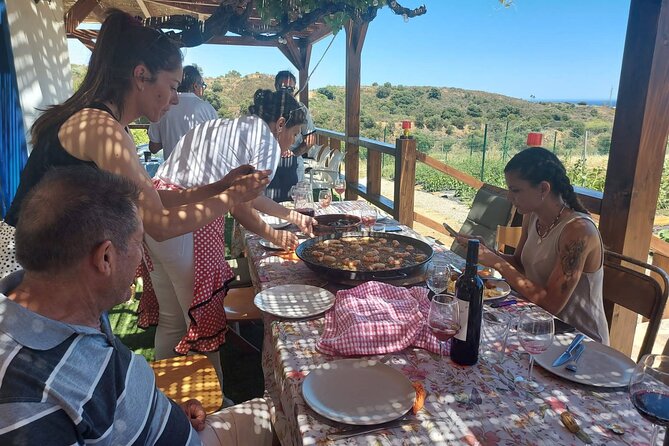
The meal is more than rice and seafood. You’ll enjoy a full sequence that feels like a proper Andalusian afternoon.
Starters you should expect
You’ll have starters that can include steamed mussels, cheeses (fresh and cured), olives, Iberian ham and sausages, and artisan breads. Even if you pick a vegetarian paella, you’ll still likely see a spread of traditional tastes that set the stage.
Dessert and coffee
Dessert is traditional Estepona desserts, with locally produced artisan pastries. After that, you’ll get Colombian coffee served with traditional cake.
This finish matters. Paella is filling, so the dessert and coffee are not an afterthought. They round out the meal in a way that feels like an actual family gathering rather than a ticking clock of courses.
And yes, there’s a little comfort-factor to it. One review mentions coffee and pastries during rain, which suggests the hosts keep things warm and friendly even when the weather shifts.
Drinks, Water, and the Little Details That Make It Feel Thoughtful
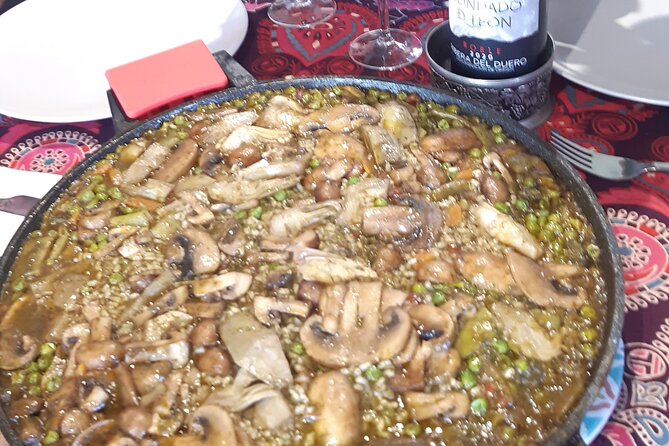
In the included items, you’ll get bottled water made from a deep well with a high content of magnesium and minerals. That sounds like a small detail, but it’s the kind that makes the meal feel intentional.
Alcoholic beverages are included as sangria (local wine and citrus from the orchard), plus wines, beer, and shots of cocktails of their authorship. Alcohol is only for people over 18, so if you’re traveling with younger friends, this is worth noting early.
Non-alcoholic drinks are included too, including soda or other pop-style refreshing drinks. You’ll have options either way.
Also, this is offered in English, and you’ll receive a mobile ticket. If you’ve ever had a “food tour” that feels half translated, you’ll appreciate having a clear language setup from the start.
Price and Value: Is $138.17 a Good Deal for 4 Hours?
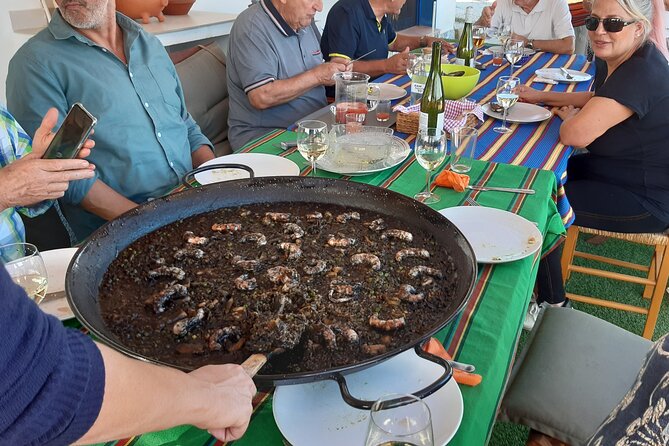
At $138.17 per person for about 4 hours, you’re paying for a few things that add up.
First, it’s not just instruction, it’s a whole meal. You get paella plus appetizers, dessert, and coffee. Drinks are also included, including sangria and other alcohol options for adults.
Second, it’s small-group and farm-based. A maximum of 4 travelers means more personal attention and less feeling like you’re waiting your turn. That matters for paella, which is technique heavy.
Third, there’s a tangible takeaway: a recipe book of their preparations. That’s a real value booster if you want to recreate the method, not just the taste.
So, is it the same price as a casual meal? No. But it also isn’t the same thing as paying for a plain restaurant lunch. You’re paying for food, teaching, farm time, and a full afternoon hosted by a family operation.
The only real value risk is food volume. One review criticizes portions and dessert choices when the group felt large and cramped. The tour’s official capacity is small, but kitchens can still feel tight. If you’re planning for a very big appetite, I’d consider messaging ahead to confirm portion expectations and how they handle your chosen paella style.
Logistics That Matter: Getting There and What to Expect on Arrival
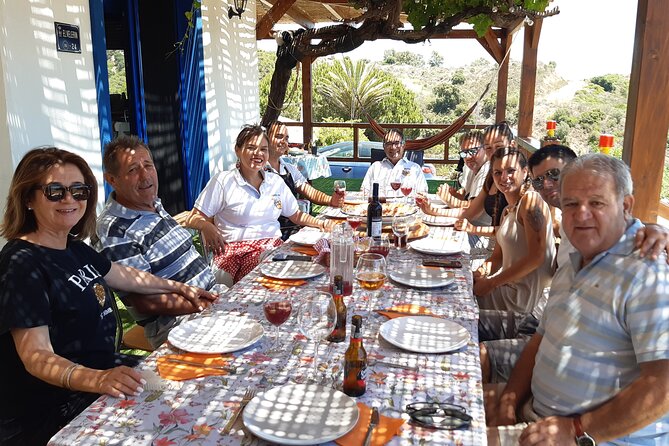
Private transportation is not included. That means you’ll need to handle the ride yourself, likely by taxi, rideshare, or a pre-planned trip from your base in Marbella or nearby.
The meeting point is specific: Las Marías, Cam. Nicola, km 1, 29689 Estepona, Málaga. Start time is 1:00 pm, so you’ll want to arrive early enough to park and settle.
Because the farm experience depends on good weather, they can cancel due to poor conditions and offer a different date or a full refund. That’s a normal farm reality and one reason it’s smart to keep some flexibility in your schedule.
As for how it feels physically, you’ll be on a working farm and in a working kitchen. Wear comfortable clothes and shoes you can move in. Keep in mind this is a culinary afternoon, not a museum visit.
Who This Paella Experience Is Best For
This works best if you want an Andalusian food day that feels personal and practical.
You’ll love it if:
- You enjoy learning through doing, not just watching
- You want to eat a full menu, not a snack-sized experience
- You like family-run settings and want farm context, not just restaurant food
- You travel with at least one person who will appreciate the culture and method behind paella
It might not fit as well if:
- You hate small spaces or cooking happening close to you
- You want a perfectly staged “view” of every step, like a professional demo kitchen
- You are extremely concerned about maximizing dessert variety or seafood portion sizes
Still, the overall rating is extremely high, and the repeated theme is kindness plus food quality. People consistently highlight that the hosts make everyone feel like part of the day.
Should You Book Chef Cooking Paella from an Andalusian Grandmother at a Family Farm?
Yes, I think you should book it if you want a memorable Andalusian afternoon that combines cooking, a farm walk, and a full meal. The best reason to choose it is the package: sangria welcome, paella taught step-by-step, farm stories, and the dessert-and-coffee finish, all in a small-group setting.
If you’re sensitive to cramped kitchen conditions or you’re traveling with very specific dietary needs, message ahead so they can plan properly. And if you are planning the day as a top priority, build in some flexibility for weather.
If you want a cooking experience that feels like a real family event, this is the one to pick.
FAQ
What is the duration of this paella experience?
It runs for about 4 hours.
Where is the meeting point?
You start at Las Marías, Cam. Nicola, km 1, 29689 Estepona, Málaga, Spain.
Is the tour offered in English?
Yes. The experience is offered in English.
Does it include food and drinks?
Yes. You’ll have appetizers, lunch paella, dessert, bottled water, and drinks including sangria (for adults over 18), plus coffee and/or tea.
Can I choose a vegetarian option?
Yes. Vegetarian options are available, and the hosts can adapt to dietary restrictions or allergies you share ahead of time.
Is private transportation included?
No, private transportation is not included.
Fresh options around Marbella
- Jet Ski Experience in Marbella★ 4.5 · 44 reviews
- Manilva Oceanfront Wine Experience in the Marbella Area★ 5.0 · 51 reviews
- Marbella Old Town Walking Tour★ 4.0 · 8 reviews
- Ronda Private Wine Tour and Tapas from Marbella★ 4.5 · 8 reviews
- Marbella Tapas Tour★ 5.0 · 27 reviews
- Tangier Private Tour from Marbella Including Camel Ride & Lunch★ 5.0 · 6 reviews
- TRANSFER MALAGA AIRPORT from OR to MARBELLA-PRICE ALL INCLUSIVE★ 3.5 · 3 reviews
- Marbella Old Town: Authentic Tapas Food Tour With Local Guide★ 5.0 · 59 reviews
Cooking Classes, compared.
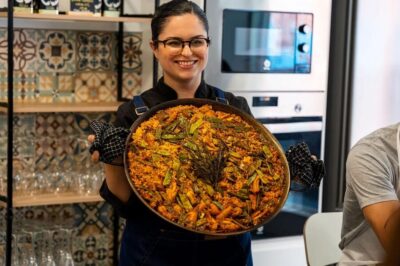
Spanish Cooking Workshop with Paella and Sangria
Read our review →
Sailing Catamaran with Swimming and Paella Lunch
Read our review →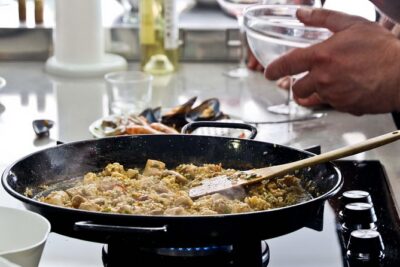
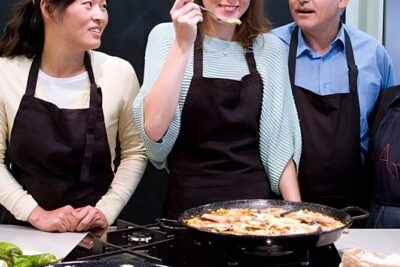
Paella Cooking Class with English Guide in Malaga
Read our review →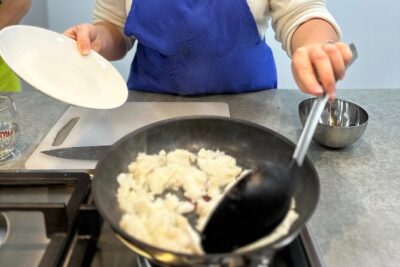
Paella and Tapas Tour with The Best Flamenco Show
Read our review →
Browse the lists this tour appears in