
Reviewed · MUSEUMS
Málaga: Carmen Thyssen Museum Ticket
The Carmen Thyssen Museum in Málaga is interesting because it blends two layers of the city in one ticket: a restored 16th-century Renaissance palace and a focused walk through 19th-century Spanish and Andalusian art. The setting makes the art feel connected to place, not just housed in a room.
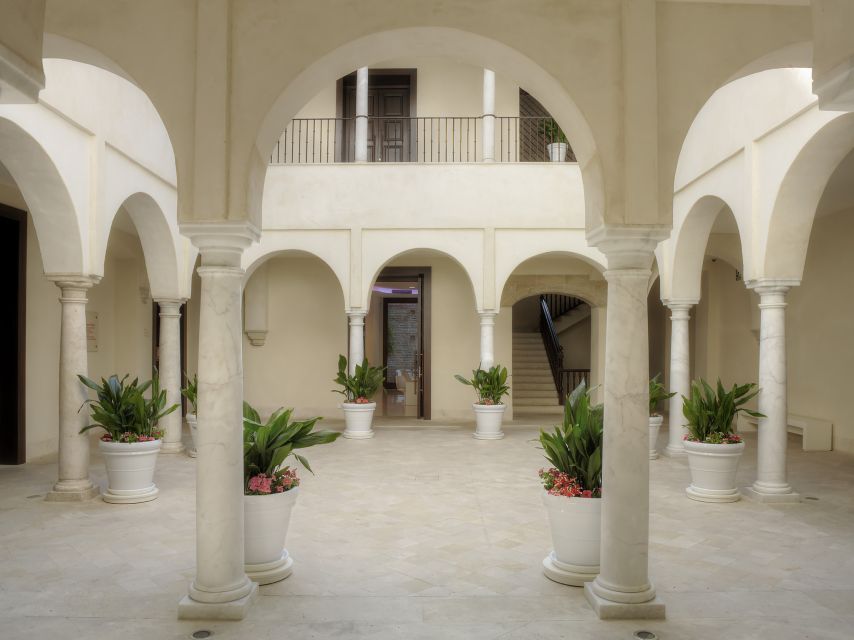
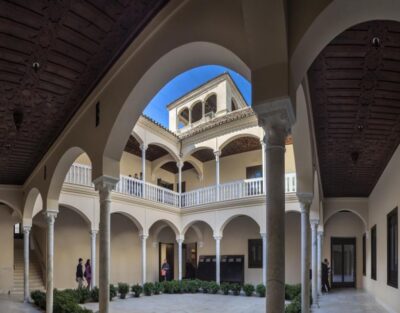
I especially like the chance to see the palace itself, including its central courtyard and ornate wooden ceilings, which changes how you experience everything inside. I also love that the visit includes an audioguide (with multiple languages), so you can move at your pace and still understand what you’re seeing, though the no-phones rule means you cannot rely on your own searches while you look.
Key Highlights You Shouldn’t Miss
- Palacio de Villalón courtyard layout: arcaded galleries and a true sense of Renaissance space
- Carmen Thyssen-Bornemisza collection focus: a strong survey of 19th-century Spanish painting genres, with an Andalusia lens
- The styles to watch for: Precieuz, Naturalist, and Romantic works by artists such as Sánchez-Perrier and Ortega
- Two-floor plan: permanent and temporary displays spread across palace spaces and newer adjoining buildings
- Included audioguide: helpful for reading the museum without getting stuck in a crowd
A 16th-century palace sets the tone before you even see a painting
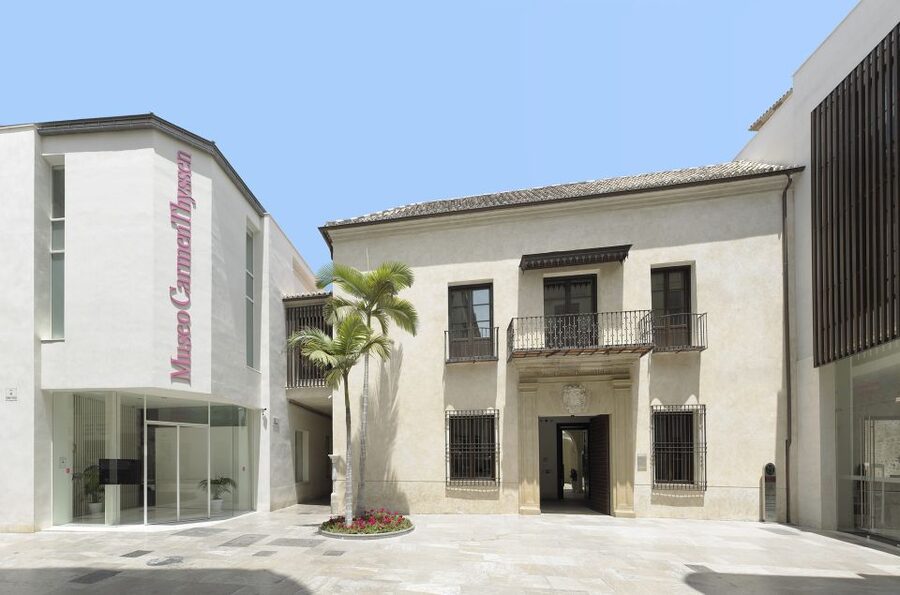
This ticket takes you to Málaga’s Museo Carmen Thyssen inside the Palacio de Villalón, a landmark from the 1500s. The palace is not just a backdrop. It was built over older layers, including remains of the Roman city and within the old Moorish quarter, so the building feels like a history lesson with walls.
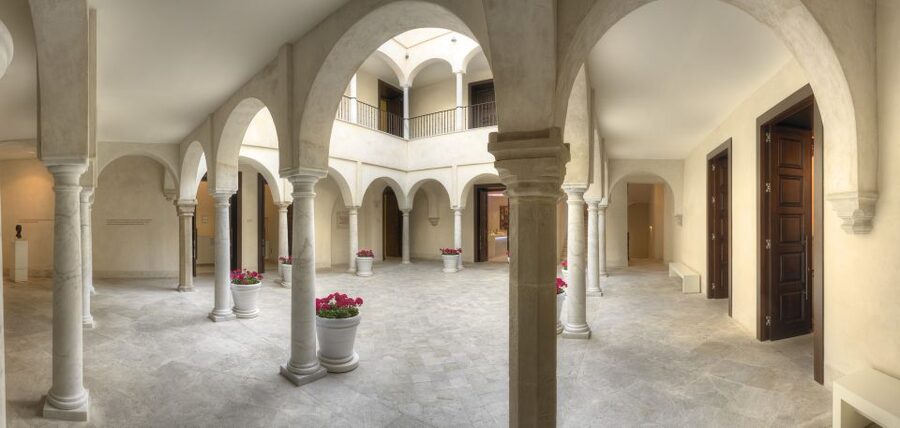
That history matters for how you enjoy the art. You are not trudging from one neutral room to another. You’re moving through a real architectural space, with a courtyard at the center that naturally pulls your eyes and your steps.
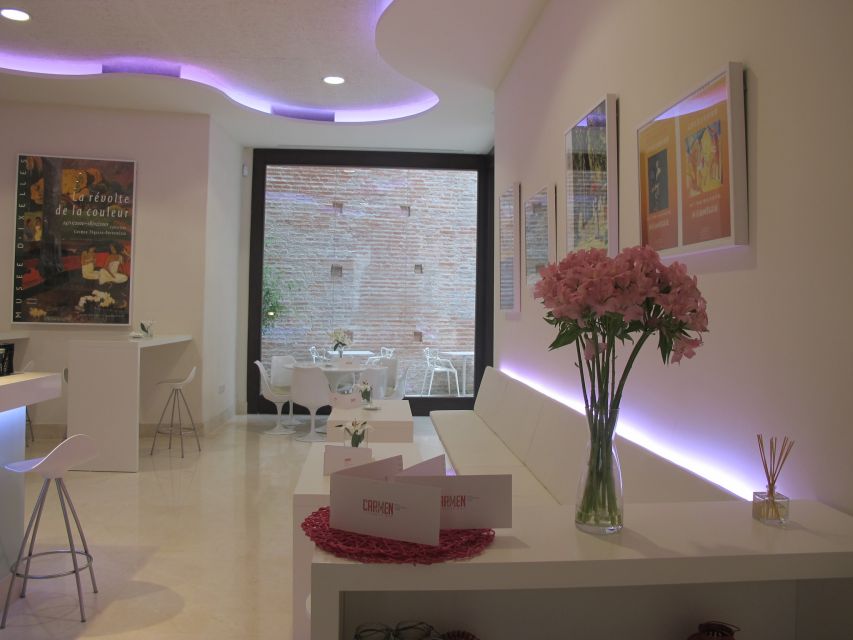
When you enter, you’ll get your bearings fast. The museum is designed so that the palace portion and the newer exhibition areas work together without shouting over each other. The palace restoration emphasized recovering the original layout, then added contemporary spaces where needed, which you can actually notice as you compare old and new.
A few more Malaga days worth comparing
- Malaga: Picasso Museum Guided Tour with Skip-the-Line Ticket
★ 4.8 · 485 reviews - Skip the Line: Malaga Automobile and Fashion Museum Entrance Ticket
★ 4.5 · 379 reviews - Malaga: Tour of Malagueta Bullring & Immersive Exhibition
★ 4.7 · 271 reviews
Palacio de Villalón details that make the museum feel worth slowing down for
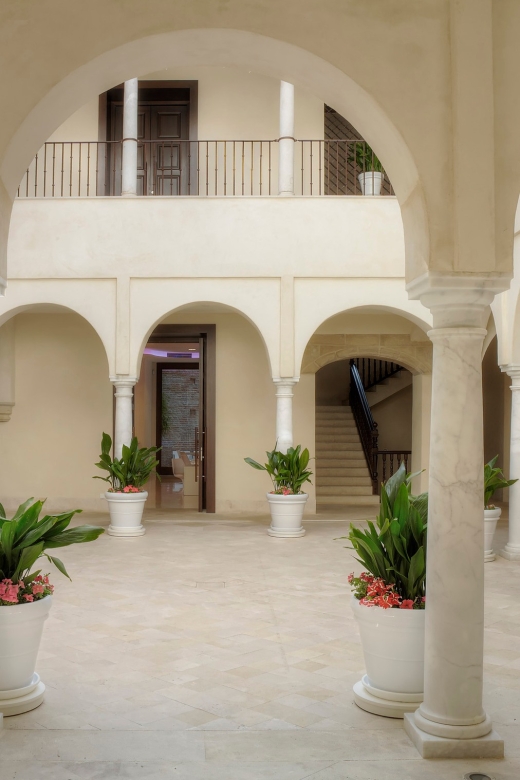
The palace visit is more than a photo op. It’s a guided-by-your-feet experience, because the layout practically encourages you to look up, not only forward. The palace spaces sit around a central courtyard, with arcaded galleries wrapping the open area.
A standout are the carved wooden ceilings and supporting fretwork in the principal rooms. Even if you’re not the type who gets excited about ceilings, you’ll probably find yourself pausing here. The decoration gives you a sense of wealth and craft that matches the quality of painting the museum is known for.
Another nice touch is how the palace display connects to older artworks too. Some 17th-century Spanish paintings are shown in principal rooms, which means you’re not stuck in one time period the whole visit. You can feel the jump from palace-era Spain into later genres without it feeling forced.
One small practical consideration: the museum’s layout can feel slightly maze-like at first because galleries curve around the courtyard. Give yourself time to wander the palace floors once before you focus on art. If you try to speed-run the palace, you’ll miss the visual payoff.
The big draw: 19th-century Spanish and Andalusian painting with a clear focus
The museum’s heart is the Carmen Thyssen-Bornemisza collection, which is admired for its wide range across 19th-century painting genres and for its strong attention to Andalusia. You’ll notice how the collection doesn’t just throw random works at you. It has a point of view.
As you walk through the galleries, the art becomes easier to follow because you can track how themes and styles shift over time. That’s one of the reasons this ticket works well even if you are not a lifelong art nerd. Instead of trying to memorize every canvas, you can look for what changes from room to room: subject matter, atmosphere, and how artists use detail and light.
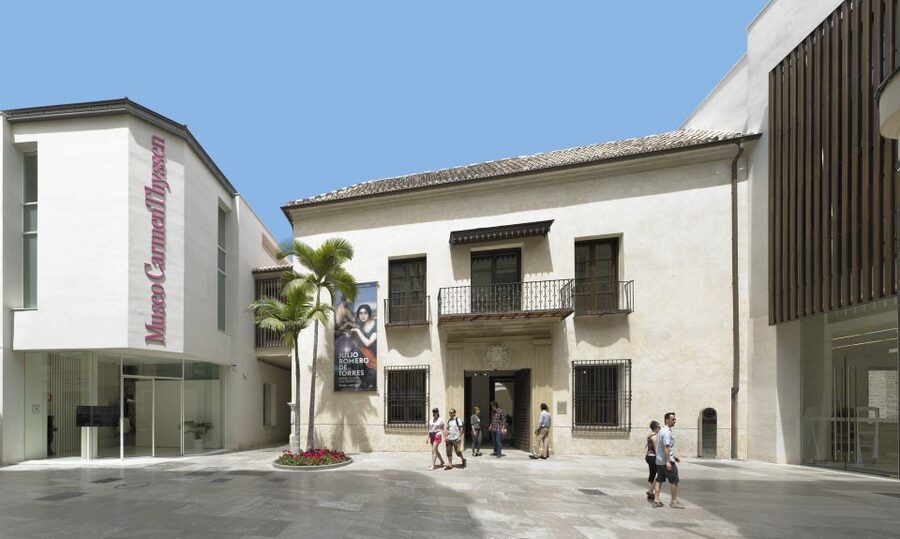
A helpful detail is the way the palace portion and the newer adjoining exhibition buildings work together. The newer spaces house permanent and temporary exhibitions, so you can feel a transition in the building while still keeping one continuous visit. That matters because the museum experience stays coherent, not scattered.
Styles to hunt for: Precieuz, Naturalist, and Romantic works
If you only know a couple of famous Spanish painters, this museum can broaden your view quickly. One of the most praised aspects is how it builds a bridge from the major names people already recognize to less familiar artists and movements.
Here’s what to actively look for. The collection includes Precieuz style examples, alongside Naturalist and Romantic works. If you’re used to modern painting, the Precieuz approach can be a wake-up call. It often feels precise, with an emphasis on elegance and finish rather than rough emotion.
For Romantic works, keep an eye on the dramatic sense of mood and storytelling. Artists named in the museum’s highlights include Sánchez-Perrier and Ortega, so if you see their names on labels, pause longer. Those works tend to reward slow looking, because small choices in composition and detail shape the entire emotional tone.
What I find practical here is that you do not need to “know the history” to enjoy these styles. If you look at what the artists seem to care about, you can follow the logic. What makes a face compelling? How does a scene feel still or moving? How does the palette change the mood? The museum gives you enough variety that you can answer those questions with your eyes.
Same stretch of coast, a different kind of day:
- Málaga: Alcazaba and Roman Theatre Guided Tour With Entry
★ 4.8 · 5,792 reviews - From Malaga and Costa del Sol: Gibraltar Tour
★ 4.4 · 4,483 reviews - Malaga: Teatro Flamenco Malaga Live Flamenco Show
★ 4.7 · 4,254 reviews - From Málaga: Ronda+Setenil de las Bodegas with Little Train
★ 4.6 · 4,115 reviews
Following the rooms without getting lost: a two-floor approach
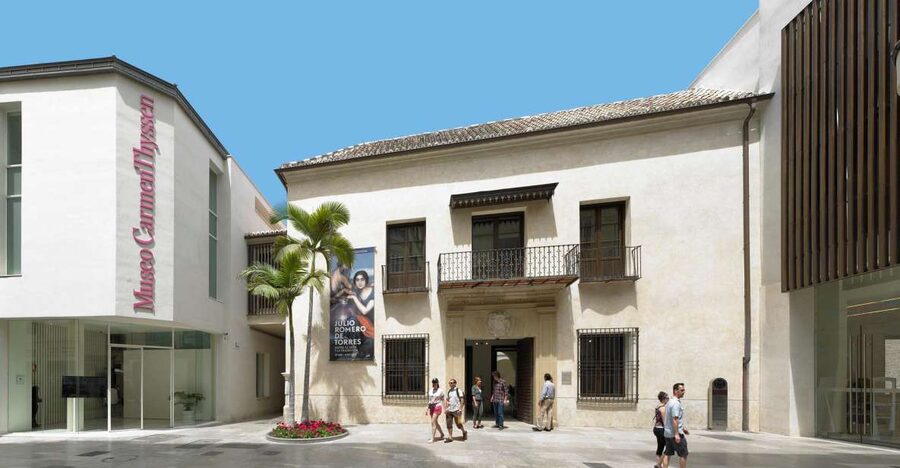
The palace portion is arranged over two floors around the central courtyard. That gives you structure. You can pick a floor to start, then come back across the galleries to see the transition.
In practice, I recommend one full circuit where you focus on flow, not interpretation. Then do a second pass only where you found a style or artist that grabbed you. This saves you from doing that common museum thing where you stop at everything and end up absorbing nothing.
One real tip from the experience itself: some gallery labels can be hard to read because they may be printed small. That’s not a deal-breaker, but it affects how you should pace. Plan to stand close enough to read, then step back to let others pass. If you do this, you avoid the awkward bending and re-stepping that can happen when labels are tucked into busy sight lines.
Also, don’t underestimate how much time it takes to move carefully in rooms that have security lines or tight viewing angles. If you want to read captions, build in extra minutes. That’s usually the difference between feeling impressed and feeling like you missed something.
Permanent vs temporary exhibitions, and how to choose wisely
Your ticket gives you entrance to the Museo Carmen Thyssen and includes an audioguide, and you can see the permanent collection and/or temporary exhibitions depending on what’s on during your visit. That flexibility is useful in Málaga because your day might include beach time, a long lunch, or other museum stops.
If you like consistency, prioritize the permanent collection first. It’s where the museum’s core strengths show up, especially the survey feel of 19th-century Spanish genres with an Andalusia focus.
If you like surprises, spend time in the temporary spaces too. The museum’s program can include special presentations, such as works by Sorolla, based on what people have experienced in past exhibitions. Since that kind of display changes, you should let the current temporary exhibit influence your order. If it looks like your kind of art, go there early, before the rooms start to feel crowded or you run out of energy.
A good strategy is simple: do the palace and the permanent collection as your backbone, then treat the temporary area like dessert. You’re more likely to enjoy it because you’re not already mentally exhausted.
The included audioguide: how to use it so you actually get value
This ticket includes an audioguide with multiple languages, including English, Spanish, French, German, and Italian. That matters because it turns a self-guided visit into an informed one without you needing to join a live group tour.
If you want to get the most out of it, don’t try to listen nonstop. Instead, use the audioguide like a tool. Start by listening to the first section that explains how the museum is organized. Then switch to a more targeted approach: listen only when you see a label for an artist or style that you want to understand better.
You’ll also get more out of the visit if you plan for silence. Museums are quiet by design, and the palace courtyard makes sounds travel differently than a modern building. If you pause at a central gallery, you may find the guide’s audio plus the room’s own atmosphere helps you slow down naturally.
One practical note: the museum does not allow cell phones in the galleries. That rule pushes you toward the audioguide as your main source of context, which can actually improve the experience if you like looking without distraction.
Museum rules that change your day plan, no cameras, no phones, bag limits
Before you go, check your bag and habits. The museum does not allow cameras, video recording, smoking, food and drinks, or luggage and large bags. Mobile phones are also not allowed in the galleries.
If you rely on your phone for directions, do your phone work outside the exhibition rooms. Once you’re inside, keep it stowed. This is one of those rules that can feel strict, but it’s also why the museum stays calm while you look.
Bags over 80 x 50 centimeters are not allowed, so travel light if you can. And since touching works of art is forbidden, plan on doing the most important thing: steady looking.
Also note the animal rule. Only guide dogs are permitted. If you’re traveling with any other animal, you’ll need to make other arrangements.
Price and value: is $14 a good deal for this museum?
At about $14 per person, this ticket lands in the “reasonable, and you’ll feel good if you use the audioguide” range. The value comes from two places.
First, you’re paying for access to both art and architecture, because the palace portion is part of the experience. You’re not just buying wall space for paintings. The building itself has specific Renaissance features you can actually notice as you move.
Second, the museum’s programming is built around 19th-century Spanish painting genres with a strong Andalusia focus. That focus helps you feel your time was used well. Even if you don’t know every artist name, you can follow the shifts in style and subject matter.
One more note on fairness: there’s a piece of advice floating around that tickets might be free for people under 18, but you should still double-check directly with the museum before you rely on it. If that’s the case, the value gets even better for families.
Who should book this ticket (and who might want to plan differently)
This visit suits you if you like art that tells you where to look. The museum offers a structured look at styles like Precieuz, Naturalist, and Romantic, and it gives you a coherent sense of how Spanish and Andalusian painting evolved through the 1800s.
It also suits you if you want a cultural stop that’s not dependent on a long outdoor walk. You’re inside historic spaces, and the courtyard layout helps you pace yourself.
You might want to plan differently if you’re the kind of visitor who hates reading labels or stands there for only a minute per room. Since some captions may be small, the visit rewards slower attention. If you want quick impressions only, pick a few galleries and commit to them rather than trying to see everything.
Should you book this Carmen Thyssen Museum ticket?
Yes, book it if you want a focused art museum experience that includes serious architectural beauty. The Palacio de Villalón setting alone makes it feel special, and the included audioguide helps you understand the collection without needing extra planning.
I’d say skip or reconsider only if you strongly dislike museums with strict rules around phones and photography, or if you prefer very large, wide-scoped blockbuster museums. For a smart indoor stop in Málaga with clear themes and good use of your time, this ticket is a solid choice.
FAQ
What is the location of the Carmen Thyssen Museum ticket in Málaga?
The meeting point is the Carmen Thyssen Museum, Fundación Palacio de Villalón, C/ Compañía 10, 29008 Málaga. The activity ends back at the meeting point.
How long is this ticket valid?
The ticket is valid for 1 day. You should check availability to see starting times.
What is included with the ticket?
Entrance to the Carmen Thyssen Museum is included, plus an audioguide.
Which languages are available for the audioguide?
The audioguide is available in Spanish, English, French, German, and Italian.
Is the museum wheelchair accessible?
Yes, the museum is wheelchair accessible.
Are cameras and video recordings allowed?
No. Cameras and video recording are not allowed.
Are mobile phones allowed inside the galleries?
No. Mobile phones are not allowed in the galleries.
What are the bag and food rules inside the museum?
Food and drinks are not allowed, and luggage or large bags are not allowed. Bags over 80 x 50 centimeters are also not allowed in the museum.
Fresh options around Malaga
- Night theatrical visit to the English cemetery★ 4.2 · 5 reviews
- e-Bike (Self-Guided) & Winery tour – 20km Easy★ 5.0 · 6 reviews
- e-Bike (Self-Guided) Setenil Circular – 41km Easy★ 5.0 · 11 reviews
- 2h E-bike tours+1day extra in Malaga★ 5.0 · 28 reviews
- Wine & Tapas tour by electric bike (e-bike) including Ronda pickup (full day)★ 5.0 · 34 reviews
- Ronda Private Full Day Wine Tour★ 4.5 · 8 reviews
- Yacht ride in Puerto Banús★ 5.0 · 26 reviews
- Wine, Tapas & Lake Zahara by e-bike incl Ronda pickup (full day)★ 5.0 · 4 reviews
Museums, compared.
Picasso Museum Guided Tour with Skip-the-Line Ticket
Read our review →
Skip the Line: Malaga Automobile and Fashion Museum Entrance Ticket
Read our review →
Tour of Malagueta Bullring & Immersive Exhibition
Read our review →
Picasso Birthplace Museum Ticket & City Audio Guide
Read our review →
Visit Oil Mill Museum and Olive Oil Tasting in Ronda
Read our review →
Old Tour Walking Tour w/Cathedral & Picasso Museum
Read our review →Browse the lists this tour appears in