
Reviewed · PICASSO MUSEUM & TOURS
Malaga: Picasso’s Birthplace Museum Entrance Ticket
Picasso’s birthplace museum in Malaga is interesting because you get to see the real starting point, the house where Picasso began, then connect it to the themes that kept returning throughout his art. I especially like the way the museum uses early-life objects (yes, the kind of everyday items you would never expect to matter to art history) to make the story feel concrete. I also like that you have an included audio guide to pace yourself room by room instead of rushing.
The main consideration is simple: this is a small museum, so even with the audio guide, you are likely looking at about an hour or less, not a half-day museum crawl. If you are expecting a huge, painting-heavy blockbuster museum experience, you might want to pair it with something else in Malaga.
Key things to know before you go
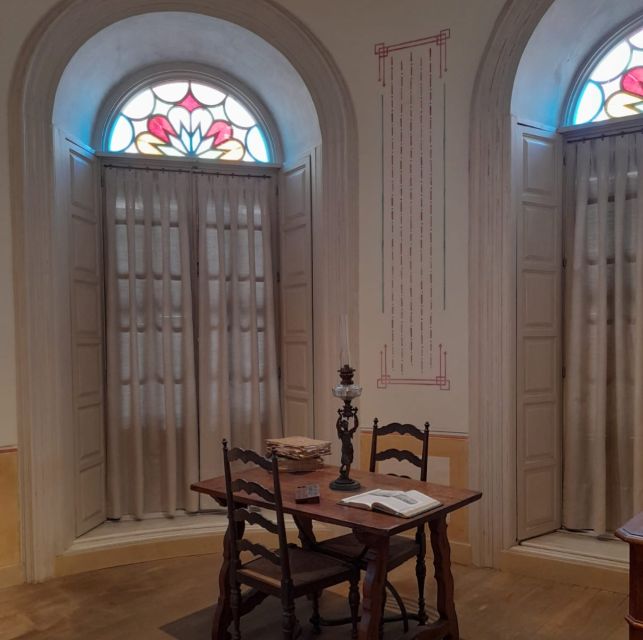
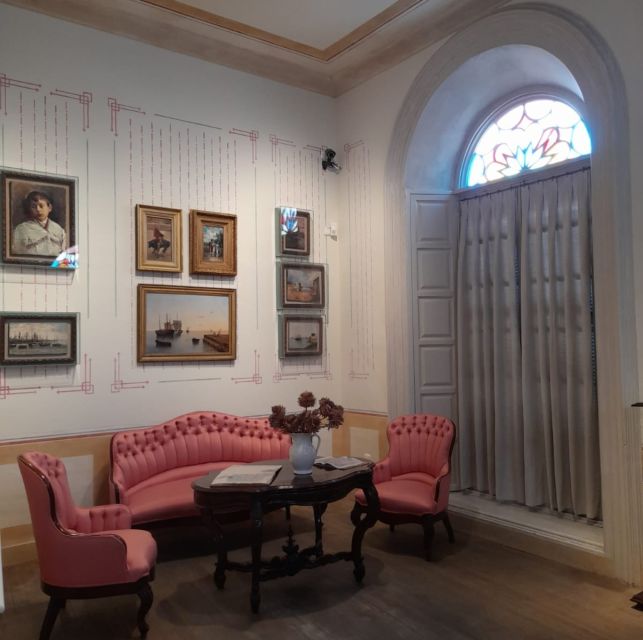
- Birthplace setting: You are walking through the house where Picasso was born, arranged across 9 rooms
- Malaga as a theme: The museum repeatedly ties Picasso’s early life to motifs like the Mediterranean and bullfighting
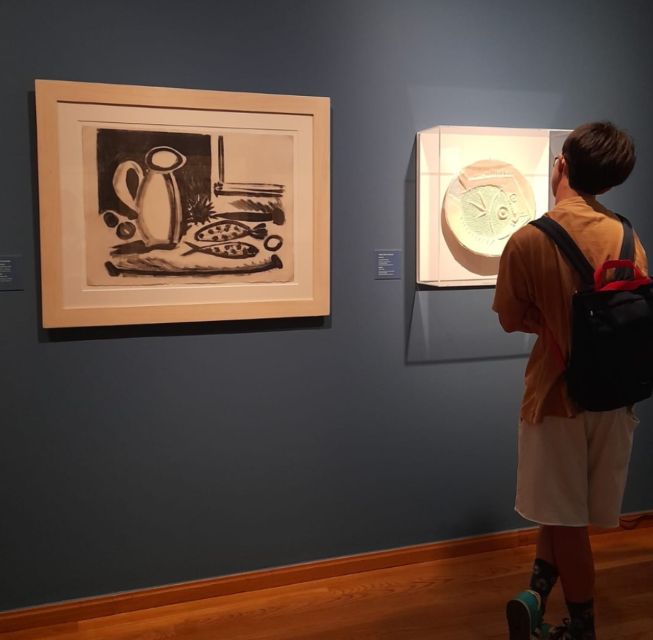
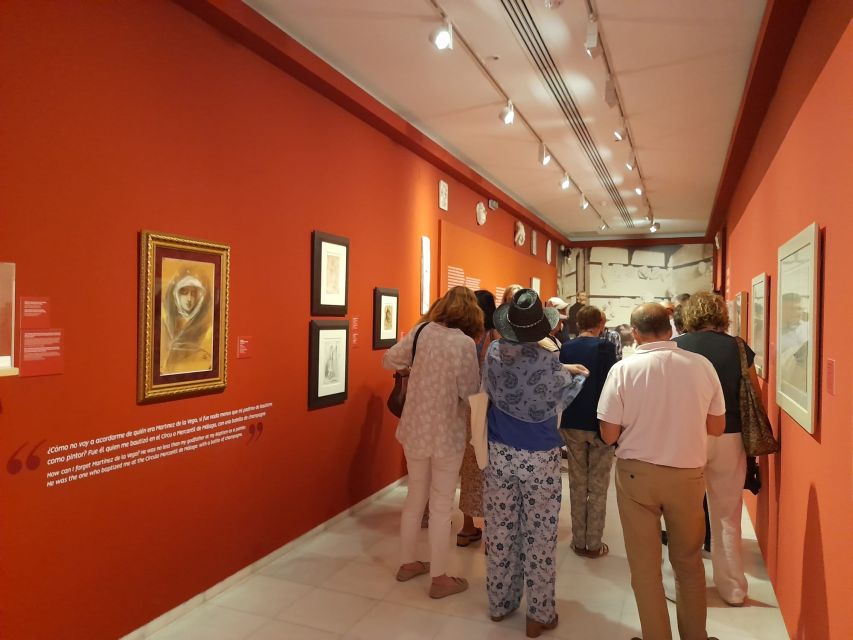
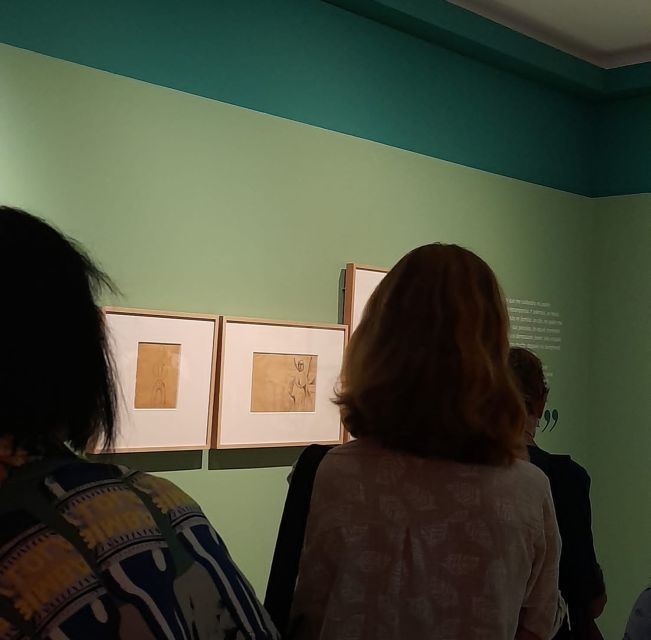
- More than paintings: Expect sketchbooks and mixed media, plus ceramics and lithographs, not just oil canvases
- Temporary exhibition included: You can add a special show themed around Picasso’s presence in other creators and media
- Audio guide support: English, Spanish, French, German, Italian, Chinese are available, with self-paced navigation
- Contemporary art connection: The museum includes 3,500+ contemporary works by 200+ artists, including graphic works by Miró, Bacon, Ernst, Matta, and others
Entering Picasso’s birthplace house, right in the heart of Malaga
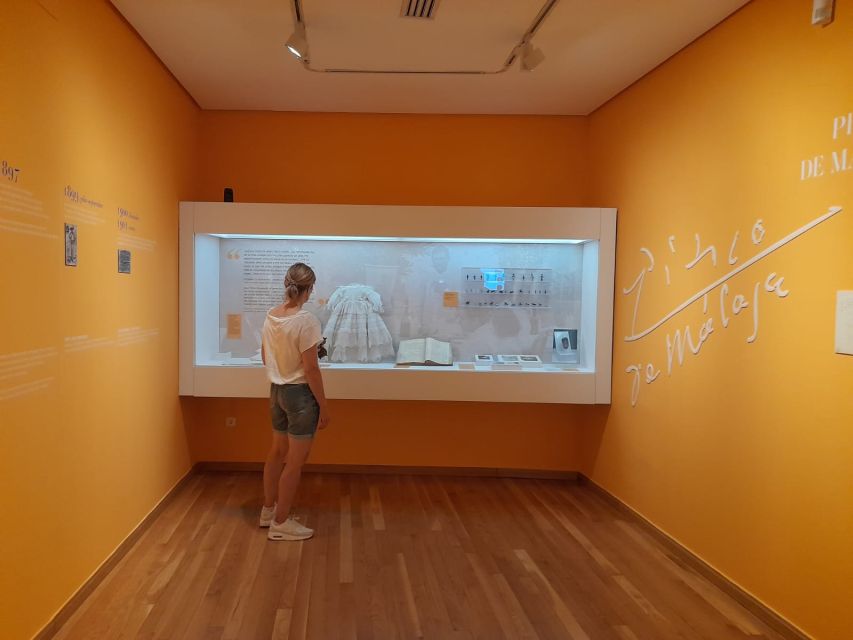
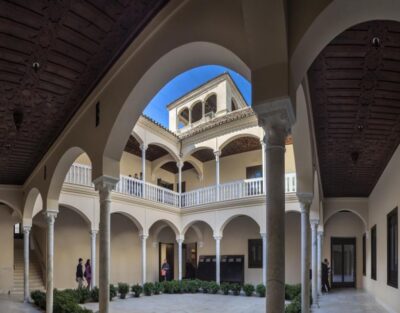
This ticket gets you inside the Museo Casa Natal de Picasso, located at Plaza de la Merced 15 in Malaga (the kind of central spot that makes it easy to fit into a walking day). The feel is intimate. You are not trying to master a giant museum floor plan, which is part of why this works so well for people who want meaning, not miles.
What I like about the setup is how it helps you connect Picasso the child to Picasso the artist. The museum does not treat the birthplace as a tourist checkbox. It uses the house and its rooms to show how early settings can shape an imagination, even before you see the iconic works people think of first.
Your entrance includes both the permanent exhibition and access to the temporary exhibition, plus an audio guide. That means you can choose how much story you want, from short and visual to thoughtful and measured.
More Picasso museums and tours:
- Malaga: Picasso Museum Guided Tour with Skip-the-Line Ticket
★ 4.8 · 485 reviews - Málaga: Picasso Birthplace Museum Ticket & City Audio Guide
★ 4.1 · 158 reviews - Paint your own Picasso
★ 5.0 · 61 reviews
The 9 rooms and what they teach you about Picasso’s beginnings
You explore the museum across 9 rooms, and the flow is designed to help you understand influences without feeling like you are reading a textbook. The museum’s themes revolve around Malaga and the experiences around Picasso’s early life, which is why you keep noticing the same symbolic threads mentioned throughout.
One practical advantage: the museum is built for a quick but satisfying visit. Many people leave feeling they got the essentials, even if they take their time with the audio guide. If you only have a small gap in your day, this is a strong choice.
First floor focus: the family and the start of training
On the first floor, the museum highlights works by Picasso and his father, Jose Ruiz Blasco. Seeing a family connection like this matters because it frames Picasso as someone trained within a specific home environment, not created out of thin air.
If you like the “how did someone learn their craft” side of art, this family element helps you understand where early skills may have come from. It also gives you context for why certain subjects and approaches show up later.
The everyday items: baby clothes, shoes, and early life details
The museum includes objects from Picasso’s early life, including one of his baby shirts and the shoes he learned to walk in. These are small details, but they are powerful because they make the person feel real. You get a kind of mental jolt from seeing something so ordinary linked to someone famous.
If you tend to get bored by pure chronology, these kinds of items help you stay engaged. They turn “Picasso the legend” into “Picasso the child,” which makes everything else easier to follow.
A few more Malaga days worth comparing
- Skip the Line: Malaga Automobile and Fashion Museum Entrance Ticket
★ 4.5 · 379 reviews - Malaga: Tour of Malagueta Bullring & Immersive Exhibition
★ 4.7 · 271 reviews - Málaga: Carmen Thyssen Museum Ticket
★ 4.6 · 245 reviews - Visit Oil Mill Museum and Olive Oil Tasting in Ronda
★ 4.5 · 105 reviews
Family photographs and portraits
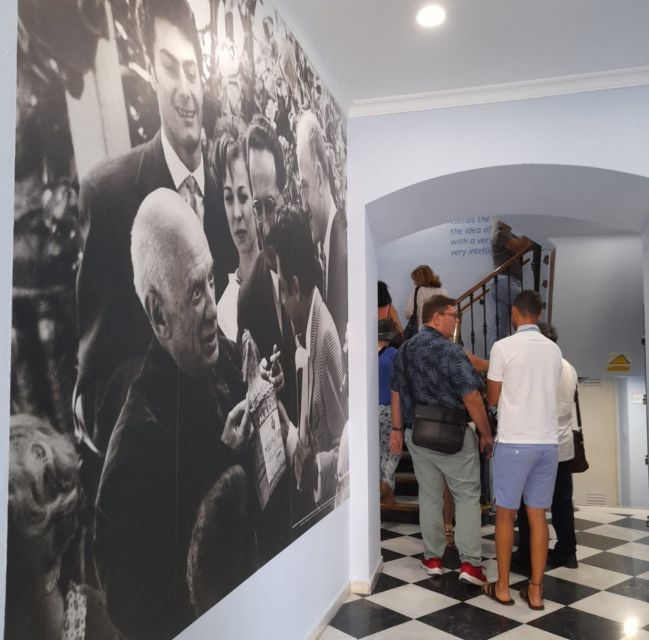
You also see photographs and portraits that give a glimpse into Picasso’s family life. This is useful because you start noticing how biography can connect to motifs later. When the museum later points you toward symbols like doves and bullfighting, you have the emotional groundwork of his early environment already in place.
Themes you will actually remember: doves, bullfighting, the Mediterranean
A strong part of this experience is how it guides you through motifs and symbols instead of only listing dates and titles. The museum explains the thematic importance of Malaga to Picasso’s work, then circles back to recurring subjects you can recognize across his career.
Here are the themes the museum specifically highlights, and how they help you read Picasso with more confidence:
Doves and the language of symbols
The museum points out motifs like doves. It is one of those Picasso symbols that can mean different things depending on the period. The audio guide helps you understand the symbolism as more than a decorative choice.
One helpful heads-up based on what you may hear from the English audio track: one example involves a term that can sound off if interpreted one way, leading to a playful translation surprise. If you are the type who notices language details, you might smile, then keep your focus on the meaning rather than the word.
Bullfighting as a recurring world
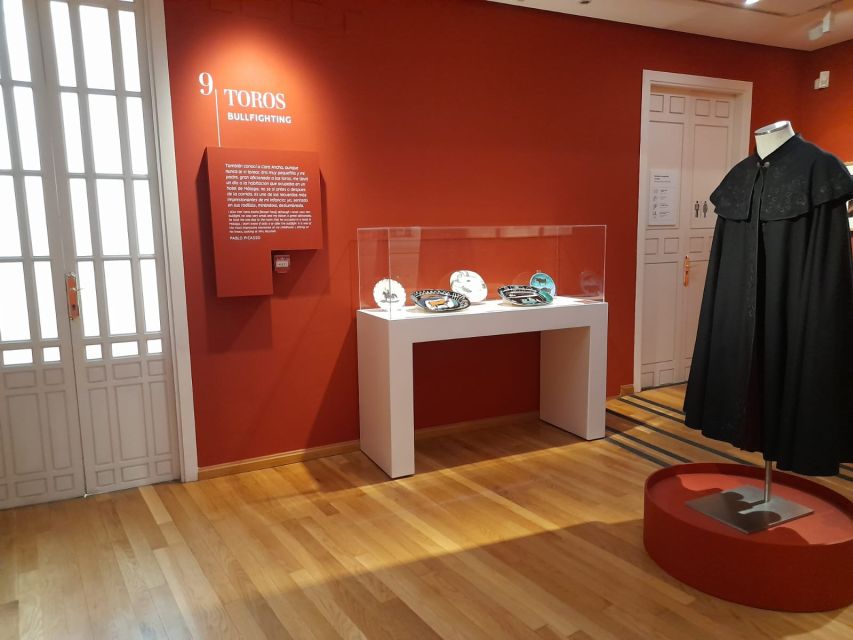
Bullfighting is another motif the museum discusses. In this context, it is not just about spectacle. It becomes part of the cultural environment that Picasso absorbed early, then reworked visually again and again.
If you want to understand why certain animal forms and dramatic scenes show up, this themed approach gives you a starting point. You leave not just having seen images, but knowing what kind of cultural reference they might be tapping.
The Mediterranean and Malaga’s influence
The museum repeatedly connects the Mediterranean to Picasso’s imagery and sense of place. If you have visited Malaga’s light and streets, that connection feels natural. You start thinking about geography as a creative ingredient, not just a backdrop.
This is especially valuable if you are visiting Malaga for the first time. The museum becomes a way to anchor your experience to one artist’s viewpoint of the region.
What you see beyond paintings: ceramics, sketchbooks, lithographs, and more
Even though Picasso is famous for painting, this museum leans into variety. You will see objects across different media, including sketchbooks, lithographs, ceramics, and more.
That matters because Picasso worked through ideas in many formats. When you see multiple media in the same visit, you start understanding that his creativity was not one-track. It was experimental, and it often began with sketches or studies before reaching finished works.
The chronological feel
The permanent exhibition is arranged to be chronological in a way that makes sense. If you are trying to place Picasso across his lifespan without jumping between distant years in giant museums, this style of layout helps you keep a mental timeline.
A small museum can do this especially well because the pace stays under your control. You do not get lost in a maze of rooms, which makes learning feel easier.
Temporary exhibition: Picasso through other creators and modern media
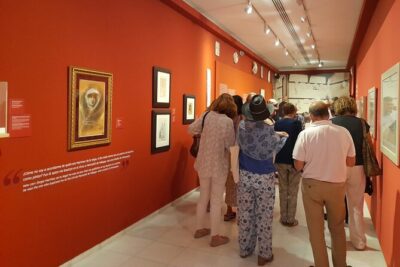
Your ticket also includes access to a temporary exhibition called Picture of Picasso, running until 28 April 2024 based on the information provided. This show is designed to explore Picasso through different angles, including how he appears in the work of other creators.
Instead of focusing only on Picasso’s own output, it invites you to think about his presence across other art forms and media. The exhibition includes topics like books and the press, social networks, advertising, photography, comics, cinema, television, and popular music.
For me, this is one of the best parts of adding a temporary exhibition. It helps you understand why Picasso is still relevant now. You are not stuck in the 1900s. You see how his image, ideas, and cultural weight travel forward.
Audio guide practical tips: how to make it worth your time
The audio guide is included, and it is available in multiple languages: English, Spanish, French, German, Italian, Chinese. The museum also asks you to bring headphones, so plan to have them charged or at least ready to use.
This is the sort of experience where the audio guide is not just background noise. It gives you the explanations behind motifs and connections, including how Malaga influenced the artist and why certain symbols matter.
One caution: if you are sensitive to how speech sounds in audio recordings, the English track may feel distracting for some people. If that happens, you can still get a lot out of looking and reading short labels, then return to the audio guide when the topic changes.
Time planning: when to go and how long to set aside
This ticket is valid for 1 day from first activation. Inside the museum, you should plan for about an hour or less in most cases, especially because the museum itself is small. If you use the audio guide and pause often, you may stretch the visit, but it still tends to stay in the “quick and satisfying” category.
Also keep timing rules in mind: last entry is 30 minutes before closing. If you arrive late, you may not get the full experience.
Free Sunday tip
The museum is free every Sunday from 4:00 PM until closure. If you are visiting on a Sunday afternoon, this can be one of the easiest ways to save money while still getting the full experience. It is also free for unemployed and disabled persons, based on the provided information.
Best practical approach
I suggest you treat this as your “art learning boost” early in your Malaga day, or as a calm break mid-afternoon. If you do it too late after a long day walking, the small size can feel rushed, and the audio guide benefits you most when you have the mental bandwidth to connect the themes.
Value for about $4.71: what you are really paying for
At around $4.71 per person, this ticket is priced for value, and the museum earns that value through three things:
First, it gives you access to both the permanent and temporary exhibitions. Second, it is anchored in a physical place, the birthplace house, not just a collection behind glass. Third, the audio guide helps translate the museum’s themes into something you can actually remember.
If you have been to larger Picasso museums before, this one can feel different in a good way. It is more focused on early life and influence, and less on only the most famous cubist works people expect on day one. That focus is exactly why it makes sense as either a stand-alone visit or a complement to other Picasso stops.
Who this museum fits best (and who might want a different plan)
This is a great match if you want:
- A compact Picasso experience that teaches meaning, not just names
- Early-life context and influences tied to motifs like bullfighting and doves
- A place-based museum where biography feels tactile, down to everyday objects
It may be less ideal if you want:
- A marathon museum day with lots of rooms beyond what you can comfortably see in one pass
- A heavy focus only on the most famous late-career paintings, with minimal thematic guidance
The sweet spot is people who like learning that feels structured and human scale. The gift store is also worth a quick look if you want small Picasso-related items, including souvenirs at different price points.
Should you book this Picasso birthplace ticket?
Yes, I would book it if you are in Malaga and you want a smart, low-cost way to understand Picasso from the beginning. The birthplace house setting plus the included audio guide and temporary exhibition are a strong combination for the price, and the small size makes it realistic even on a busy travel schedule.
If you only have a short window, this is also an easy decision. Just go in with the right expectations: plan about an hour, bring headphones, and give the themed explanations a chance to land.
FAQ
How long does the Museo Casa Natal de Picasso visit take?
You should set aside about 1 day for this ticket, and the museum is small enough that you will likely spend about an hour or less inside.
What is included with the entrance ticket?
The ticket includes entrance to the permanent exhibition, access to the temporary exhibition, and an audio guide.
Where is the meeting point?
The museum is at Museo Casa Natal de Picasso, Plaza de la Merced 15, 29012 Malaga.
What audio guide languages are available?
The audio guide is available in English, Spanish, French, German, Italian, and Chinese.
Do I need to bring anything?
You should bring headphones for the audio guide.
Is there a free entry option on certain days?
Yes. The museum is free every Sunday from 4:00 PM until closure. It is also free for unemployed and disabled persons.
When is the last entry?
Last entry is 30 minutes before closing.
Is the ticket refundable?
No. The activity is non-refundable.
Fresh options around Malaga
- Night theatrical visit to the English cemetery★ 4.2 · 5 reviews
- e-Bike (Self-Guided) & Winery tour – 20km Easy★ 5.0 · 6 reviews
- e-Bike (Self-Guided) Setenil Circular – 41km Easy★ 5.0 · 11 reviews
- 2h E-bike tours+1day extra in Malaga★ 5.0 · 28 reviews
- Wine & Tapas tour by electric bike (e-bike) including Ronda pickup (full day)★ 5.0 · 34 reviews
- Ronda Private Full Day Wine Tour★ 4.5 · 8 reviews
- Yacht ride in Puerto Banús★ 5.0 · 26 reviews
- Wine, Tapas & Lake Zahara by e-bike incl Ronda pickup (full day)★ 5.0 · 4 reviews
Picasso Museum & Tours, compared.
Picasso Museum Guided Tour with Skip-the-Line Ticket
Read our review →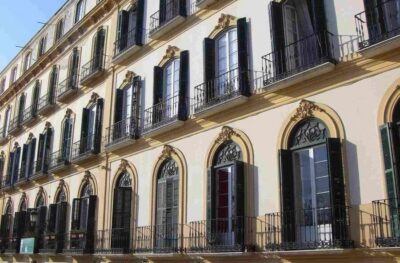
Picasso Birthplace Museum Ticket & City Audio Guide
Read our review →
Old Tour Walking Tour w/Cathedral & Picasso Museum
Read our review →
Alcazaba, Picasso and more, walking tour with 5 VR experiences !
Read our review →Browse the lists this tour appears in