Reviewed · GUIDED
Guided tour of the Old Town Estepona
Estepona’s Old Town is the kind of place that makes you slow down, because it feels like a neighborhood garden as much as a tourist destination. I love how the Centro Historico pairs quiet squares and whitewashed houses with flower-filled pots that locals maintain like a living set of decorations. It’s also a tour that keeps things easy to follow, with frequent stops and clear landmarks.
I also really like the mix of art and time travel. The Ruta de Murales Artísticos shows how Estepona uses street art to tell its story on normal facades, not in some far-off gallery. And if your guide is Pedro, you may get extra personality and patience, since he’s known for thoughtful explanations and a calm pace.
One thing to consider: this is a morning out in the open, so you’ll want decent footwear and good weather. If the sky doesn’t cooperate, the experience can shift or pause, so plan for flexibility.
Key takeaways before you go
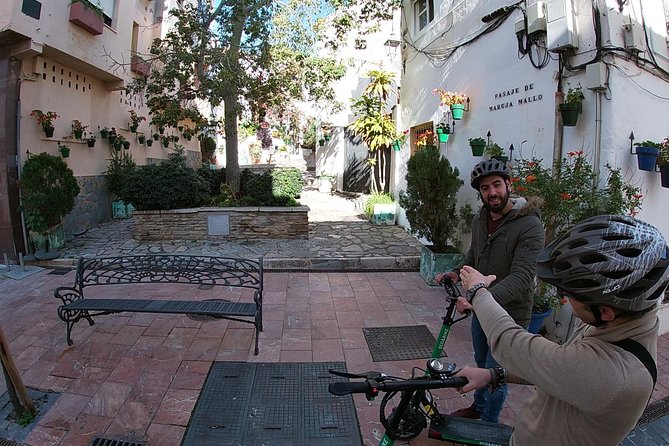
- Flower-pot streets in the Centro Historico: You get a guided route through Estepona’s signature look, not just a random wander.
- Ruta de Murales Artísticos, short and satisfying: You’ll hit the most important murals without spending all day on art stops.
- Castillo de San Luis de Estepona viewpoints: A quick trip to the medieval defense story, with perspective on the town layout.
- Plaza de las Flores plus Casa de las Tejerinas: A cheerful square break that includes the local Tourist Office and exhibition space.
- Museo Arqueologico de Estepona in a cistern setting: It’s a museum with setting built into the experience, connected to a Muslim tower structure.
- Private, small-group feel with English guidance: You stay together as a single group, with explanations in English.
Why Estepona’s Old Town feels like a neighborhood with a plan
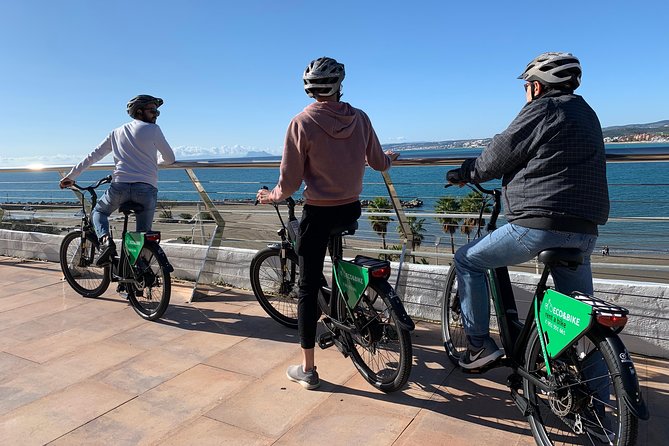
This is the sort of guided tour that helps you understand what you’re seeing while you’re seeing it. Estepona’s Old Town can look simple from afar, but up close, you notice how the streets connect, how the squares invite pauses, and how the town “decorates” itself with flowers and murals.
The itinerary is built around quick, high-impact stops. You spend about half an hour in the Centro Historico area, then move through the artistic mural route, a castle-era reminder, a central flower square, and a short visit to the archaeology museum. It works especially well if you want the feeling of having explored more than you actually covered.
For your comfort, you start at 10:00 am and finish back where you began. That loop format matters. It keeps you from second-guessing direction or timing, and it’s easier on tired legs if you also plan to eat your way through the rest of the day.
A few more Marbella days worth comparing
- From Marbella: Guadalmina River Guided Canyoning Adventure
★ 4.9 · 1,486 reviews - From Marbella or Estepona: Caminito del Rey Guided Day Trip
★ 4.0 · 121 reviews - Guided Canyoning Adventure Near Marbella (Benahavís River Walk)
★ 5.0 · 116 reviews
Your guide matters, and private means it stays personal
This is a private tour/activity, so it’s only your group. That changes the vibe fast. You can ask questions without waiting your turn, and the guide can adapt pacing if someone needs a slower moment to look at a mural up close or take photos.
Language is English, which is a big practical benefit in a town where not everyone speaks it. The most consistent praise I’ve seen centers on guides who explain clearly, stay patient, and keep the story grounded in what a resident actually notices day to day. Pedro is repeatedly singled out for being both knowledgeable about the history and patient, especially with people who are less confident moving around on the tour style you choose.
Also, because the experience runs in a compact geographic area, you’re not spending your time on long transfers. You get that “walk with a local” feel, without the confusion of trying to figure out the best route on your own.
Centro Historico: quiet squares, white houses, and flower-pot pride
The Centro Historico stop is where Estepona’s tone clicks for most people. Expect quiet squares and tight street connections lined with white houses. What makes this part more than a scenic stroll is the way the tour frames the place: those flower-filled pots are not just decoration, they’re part of how the town presents itself as the Garden of the Costa del Sol.
I like that this start doesn’t try to cram too much at once. You get time to look, pause, and absorb. In about 30 minutes, you can notice patterns that make the rest of the Old Town make sense: where the town opens into squares, where the streets funnel you toward the next landmark, and how the flower displays guide your attention.
If you’re the type who likes photos, this is your best window. Early in the tour, before you’re warmed up by wandering, it’s easier to spot the details you’ll want later when you’re walking independently.
Potential drawback to keep in mind: the most photogenic streets are often the narrowest. If your group includes people who are slower walkers, it helps to wear footwear with good grip and keep your expectations flexible on turns and crowding.
Ruta de Murales Artísticos: street art you can actually connect to
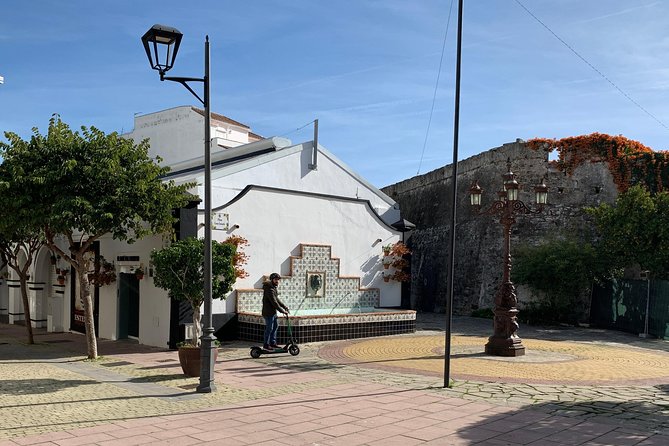
The mural stop is short, around 15 minutes, which is exactly why it works. This is not a museum of walls. It’s a quick guided route through the most important murals that decorate facades across different buildings.
What I find valuable here is the context. Murals can look like decoration until someone explains what locals are reacting to, celebrating, or remembering. On this route, you’re shown how Estepona uses art as a public storytelling tool. That changes how you look at the next mural on your own, because you’ll start noticing themes and symbols instead of just admiring color.
If you’re worried about “only seeing murals” and nothing else, don’t be. This mural route is sandwiched between history stops. It helps you understand that Estepona doesn’t treat the past as separate from everyday life. The town’s identity is written in both stone and paint.
If you’re traveling with kids or multi-generational family members, this stop often plays well. It’s quick, visual, and easy to understand even if someone doesn’t catch every detail in English.
Same stretch of coast, a different kind of day:
- Marbella: Sailing & Dolphin Watching with Snacks and Drinks
★ 4.7 · 1,062 reviews - From Marbella: Canyoning Tour in Guadalmina Canyon
★ 5.0 · 778 reviews - From Malaga or Costa del Sol: Mijas, Marbella & Puerto Banus
★ 4.5 · 677 reviews - Marbella: Sunset Sailing Trip with Drinks and Snacks
★ 4.8 · 586 reviews
Castillo de San Luis: a 16th-century defense story with real town perspective
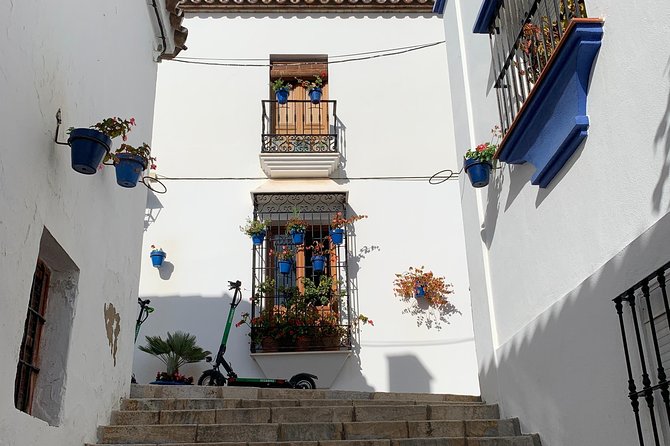
At Castillo de San Luis de Estepona, you get a dose of medieval-era context in about 15 minutes. This fort was built in the 16th century by order of the Catholic Monarchs, mainly for defense and security of the inhabitants.
You’re not going to leave as a castle scholar, but you should leave with a clearer sense of why towns like this grew and how protection shaped where people lived. Even if you’re not climbing far, the setting helps. It gives you an angle on how Estepona is laid out and why certain spots mattered strategically.
I also like this stop because it provides contrast. After flowers and murals, you’re suddenly thinking in time spans. It makes the morning feel like a story with transitions, not a checklist.
Tip: bring sunglasses or a hat if the sun is bright. Castle areas can be exposed, and you’ll likely want to look around longer than the official stop time if the view pulls you in.
Plaza de las Flores and Casa de las Tejerinas: the comfort break that makes the tour feel local
This is where the tour starts to feel like life in the town, not just sightseeing. Plaza de las Flores is cheerful and cozy, built around a flower garden and the kind of tapa moment that makes sense here.
You’re in this stop for about 30 minutes, which gives you a practical reason to slow down. You can enjoy a typical tapa in the square, and you have time to read the atmosphere before you move on.
In the same area is Casa de las Tejerinas, built in the 18th century. Today it houses the Tourist Office and hosts various exhibitions. That’s useful in a subtle way. You don’t just get a meal break. You also get oriented for what to do next after the tour ends.
Many people use this moment to plan their afternoon. If you’re unsure where to go for a slower walk, a beach pause, or a second museum stop, this is a great time to ask your guide for suggestions while you still have them right there.
Museo Arqueologico de Estepona: a museum with the setting built in
The archaeology museum stop is around 20 minutes. It’s located in a building built in the 19th century on a cistern connected to a Muslim tower.
That detail matters because it turns the visit into more than a collection of objects. You’re stepping into a place where layers of time overlap: Muslim-era infrastructure, later reuse, and then the museum building that houses heritage drawn from private collections and archaeological interventions from recent decades.
I like museum stops that are “short but pointed,” because they keep the morning moving and prevent the common burnout that happens when tours start to feel like homework. This one fits the tour’s rhythm. You get enough time to understand why the museum exists, and enough to remember that Estepona’s story wasn’t only written in Roman or medieval times.
If you’re the type who wants to read every label and stare at artifacts longer, you might find 20 minutes tight. In that case, enjoy what you can, then consider extending your exploration on your own afterward.
E-bikes or walking: how to choose the right pace for your legs
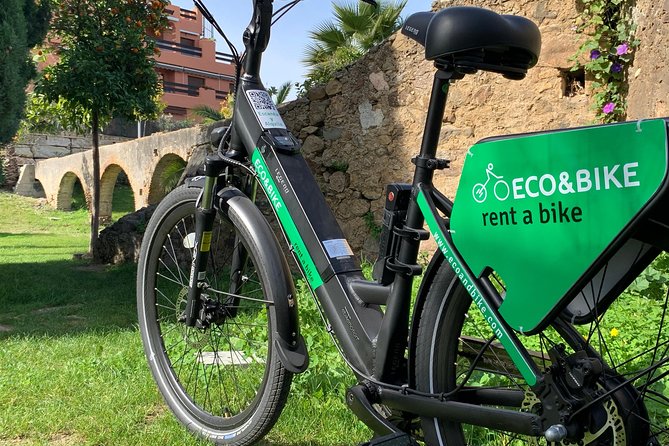
Even though the route is built around specific landmarks and time windows, the operator behind ECO&BIKE is associated with bike options. In practice, some tours run on e-bikes and some offer a walking alternative.
Here’s the practical way to decide. If you want to cover more and keep momentum, e-bikes can be a real help, especially on inclines. People who were less confident on bikes have described guides as patient, and the electric assist makes it more forgiving.
If you prefer a calmer pace and lots of foot-level looking, choose the walking option. You’ll likely feel closer to the street details, and you can stop to read murals or linger at squares without feeling rushed.
Either way, keep in mind that this is still an outdoor route with multiple stops. Even with e-bike support, you’ll spend time looking, waiting at intersections, and moving between points. Bring a water bottle and plan to wear comfortable shoes.
Price and value: why about $60 can feel fair here
At about $60.07 per person for roughly 2 hours 30 minutes, the price may look “medium” compared to free walking tours. But there’s clear value in what you get for that money.
First, entrance is free at the stops on this route, so you’re not stacking separate ticket costs for each place. Second, you’re not just paying for the route. You’re paying for a guide who can connect dots between white houses, flower streets, mural themes, and the medieval defense story.
The reviews are consistently high, with an overall 4.8 rating from 33 reviews and 94% recommended. That kind of repeat approval usually means the guide quality and pacing are working, not just the scenery.
To judge value for yourself, ask one question: do you want the town explained while you’re there? If yes, this price makes sense. If you’d rather wander independently and read a guidebook later, you might feel it’s overpriced.
Practical tips for a smooth 10:00 am start
You meet at C. Málaga, 100, 29680 Estepona, Málaga, Spain and the tour ends back at the same place. That’s convenient for planning. It also means you can pair this with lunch in the Old Town without worrying about transport back across town.
It’s also near public transportation, which helps if you’re staying somewhere in the broader Costa del Sol area, including Marbella. Still, don’t underestimate time to get there on the morning start. Aim to arrive a little early so your group can check in calmly.
What I’d pack for comfort:
- Comfortable walking shoes, even if you choose e-bikes
- A hat or sunglasses for exposed viewpoints
- A light layer, since early mornings can vary by season
- Cash or a card for your tapa, since the square is set up for eating
And one more small tip. During the Plaza de las Flores break, use it as your reset moment. Eat, ask for recommendations, and take a few minutes to look at the building details around you. That’s where the morning starts to feel like it belongs to you, not to a schedule.
Should you book the Old Town Estepona guided tour?
If you want a structured, story-forward way to understand Estepona, I think this is a smart booking. It hits the key visual anchors: Centro Historico, the Ruta de Murales Artísticos, Castillo de San Luis, Plaza de las Flores, and the Museo Arqueologico de Estepona, and it does it with enough time at each stop to actually feel you’ve been there.
I’d especially recommend it if:
- You like art with context, not just sightseeing
- You want a local voice, with patience and clear pacing
- You’re short on time and want a high-quality route without ticket stress
- You’ll enjoy a tapa break in a meaningful square, not just “somewhere to eat”
I’d be more cautious if:
- You dislike outdoor walking when weather is iffy
- You want hours in a museum setting, instead of shorter stops
- Your group prefers unstructured wandering with no guide
FAQ
Is this tour a walking route or bike-based?
The experience is guided and you can often choose how you move through the Old Town, including options that are walking-based versus biking-based.
How long is the Old Town Estepona tour?
It runs for about 2 hours 30 minutes.
What time does the tour start?
The start time is 10:00 am.
Where do we meet for the guided tour?
You meet at C. Málaga, 100, 29680 Estepona, Málaga, Spain.
What language is the tour offered in?
The tour is offered in English.
Is the tour private?
Yes, it is private, meaning only your group participates.
What is the price per person?
The price is $60.07 per person.
Are there entry fees for the stops on the route?
The activity information lists admission ticket free for the stops included in the tour.
What should I do about weather?
This experience requires good weather. If it’s canceled due to poor weather, you’ll be offered a different date or a full refund.
What is the cancellation policy?
You can cancel for free up to 24 hours in advance for a full refund.
Fresh options around Marbella
- Jet Ski Experience in Marbella★ 4.5 · 44 reviews
- Marbella Old Town Walking Tour★ 4.0 · 8 reviews
- Ronda Private Wine Tour and Tapas from Marbella★ 4.5 · 8 reviews
- Manilva Oceanfront Wine Experience in the Marbella Area★ 5.0 · 51 reviews
- Tangier Private Tour from Marbella Including Camel Ride & Lunch★ 5.0 · 6 reviews
- Marbella Tapas Tour★ 5.0 · 27 reviews
- TRANSFER MALAGA AIRPORT from OR to MARBELLA-PRICE ALL INCLUSIVE★ 3.5 · 3 reviews
- Marbella Old Town: Authentic Tapas Food Tour With Local Guide★ 5.0 · 59 reviews
Guided, compared.
Caminito del Rey Guided Tour with Transportation
Read our review →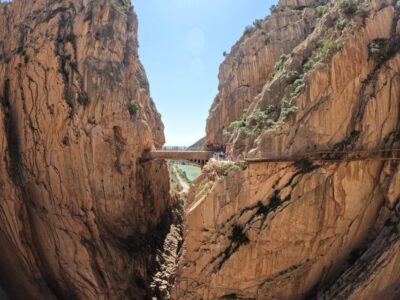
Caminito del Rey: Guided Tour and Entry Ticket
Read our review →
El Chorro: Caminito del Rey Guided Tour with Shuttle Bus
Read our review →
Caminito del Rey: Tour with Official Guide and Drink
Read our review →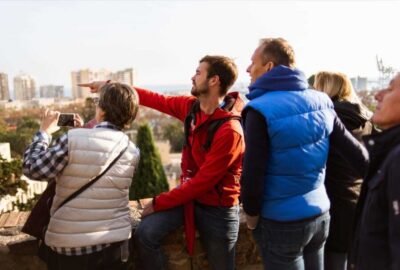
Alcazaba and Roman Theatre Guided Tour With Entry
Read our review →