
Reviewed · MALAGA WALKING TOURS
Málaga: 3-Hour Complete Walking Tour with Tickets
Málaga’s history stacks up fast, and this 3-hour walk is a smart way to see it in the right order, from Roman ruins to Moorish power to a famously unfinished cathedral. I especially like the fast-track entry to major sites and the way the route ends with Alcazaba panoramic views that make the climb feel worth it.
The main thing to consider is that this is an active tour. You’ll be on your feet for the full 3 hours, and it is not suitable for people with mobility impairments.
Key takeaways before you go
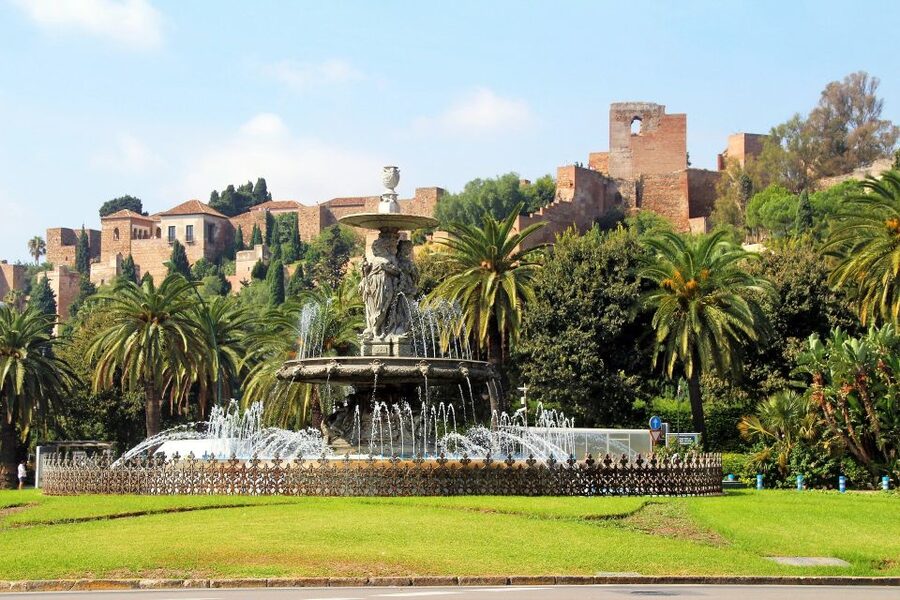
- Roman Theatre first: See the 1st-century remains that were hidden underground for centuries.
- Alcazaba viewpoint time: You get enough time to understand the fortification and enjoy the slopes of Gibralfaro.
- Skip-the-line entry: Separate entrances help you spend time looking, not waiting.
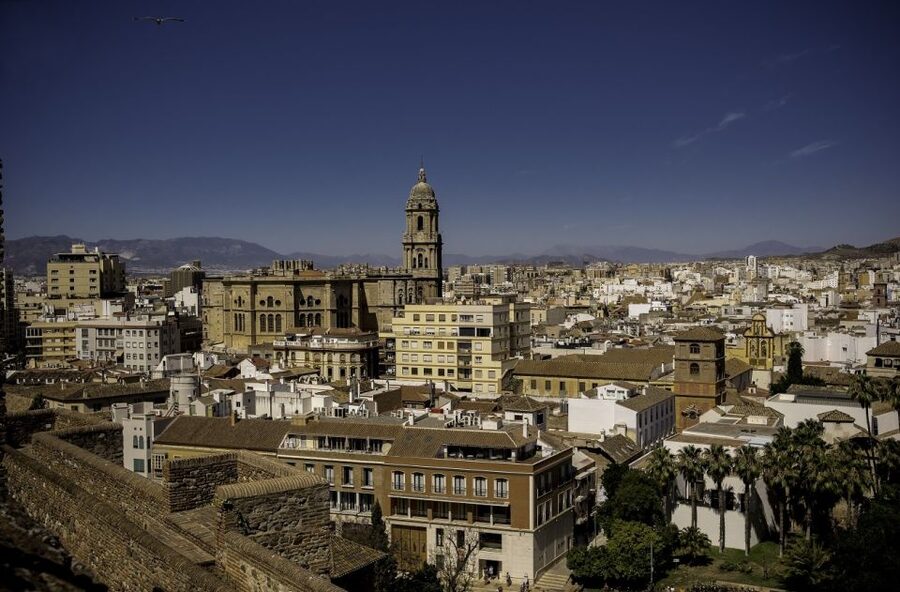
- Cathedral of the Incarnation finale: Finish at La Manquita, tied to the area’s earlier Great Mosque.
- Strong guide-led storytelling: Guides like Fabiola, Maria, Dani, and Yado are repeatedly praised for pacing, humor, and welcome energy.
- Comfortable shoes matter: Expect climbs and walking through the historic center.
Why this Málaga tour works so well in 3 hours
This isn’t a “cover the city no matter what” tour. It’s built around three anchors that explain how Málaga became Málaga, Roman Malacca to Moorish fortresses to Christian-era cathedral ambitions. The key is pacing. Roman Theatre is handled early, Alcazaba gets its own chunk, and then you roll into the historic center before finishing at the Cathedral of the Incarnation.
If you like tours that feel organized instead of rushed, you’ll appreciate the rhythm. Multiple guides on this route are described as steady and unhurried, with a knack for telling stories without turning the walk into a lecture. Guides such as Fabiola, Maria, Dani, Dannie, Yado, and Juan Carlos show up in the feedback, and the common thread is good management of time and questions.
One reason I like this format for first-timers is that each stop has a clear job. The Roman Theatre gives context for Málaga’s earliest urban life. Alcazaba shows defensive design and why this hill mattered. The cathedral finale ties the city’s layers together with its own unfinished twist, nicknamed La Manquita.
More guided walks around Malaga:
- Málaga: Cathedral, Alcazaba, Roman Theater Walking Tour
★ 4.7 · 315 reviews - Malaga Private Walking Tour, Alcazaba & Catamaran Cruise
★ 5.0 · 159 reviews - Guided Walking Tour of the Old Town of Frigiliana
★ 5.0 · 101 reviews
Meeting at the Crystal Pyramid, then getting into the flow
Your start point is easy to miss if you arrive late. Meet your guide at Pirámide de Cristal on Calle Alcazabilla, with the orange umbrella. That orange umbrella matters because several guides may be working nearby around the same time.
Here’s a practical tip: arrive a few minutes early, and scan the area for the orange umbrella before you commit to walking away. If you see multiple similar umbrellas, wait just a minute and confirm your guide before joining the group. That tiny pause can save you a lot of confusion.
Once you’re together, the walking pace is generally described as relaxed. In plain terms, it feels made for sightseeing, not racing. You’ll move through the city’s center in short sections, then stop for explanation, then step into the next site.
Stop 1, the Roman Theatre: where Málaga shows its earliest layers
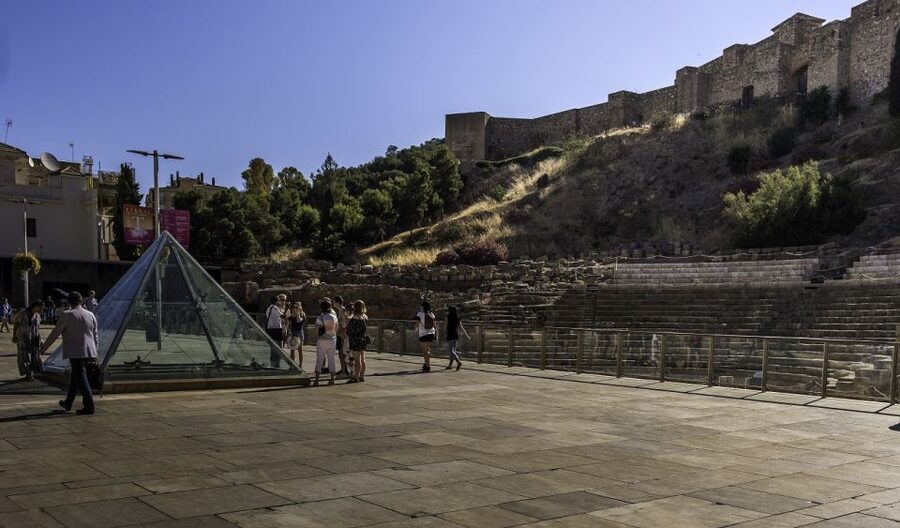
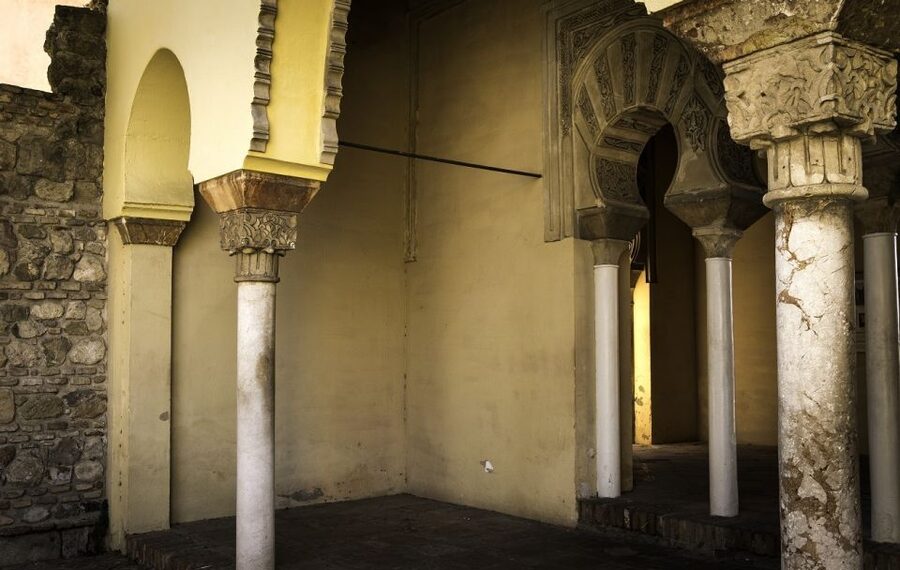
The first major stop is the Roman Theatre of Málaga. You’ll get about 30 minutes here with a guided visit. This site is the main preserved remains of the old Roman city of Malacca, built in the 1st century. The other detail that makes this place special is that it stayed underground for several centuries, which is why what you see today feels like a time capsule.
What you’ll actually enjoy is the way the guide explains how the theatre worked and why it survived in a partially hidden form. Even if you have seen Roman ruins elsewhere, this is still a rare chance to connect architecture to a specific local story, the development of Roman Málaga and what came after.
Possible drawback: the Roman Theatre visit is shorter than Alcazaba. If you love ruins and could happily spend an hour or two staring at stones, you might wish this stop lasted longer. The tradeoff is that the tour stays on schedule and saves time for the views that people usually remember most.
Stop 2, Alcazaba: the defensive fortress and the best “wow” factor
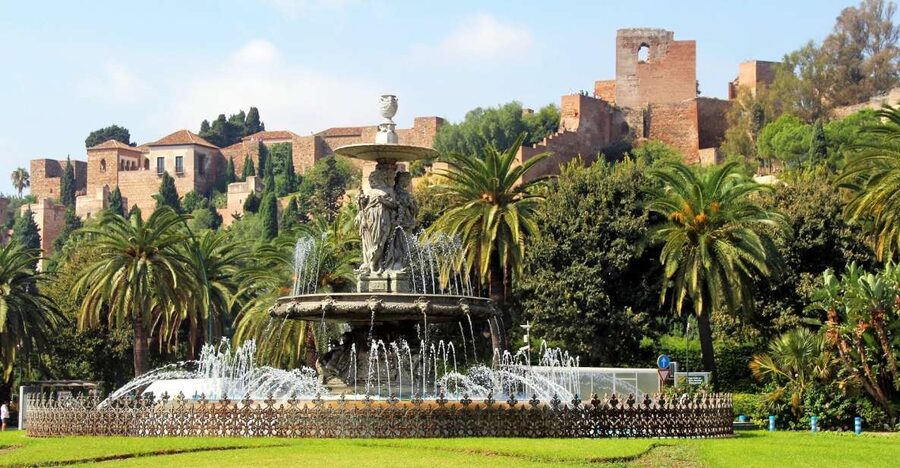
Next comes the big one: Alcazaba of Málaga, a palatial fortification from the 11th century. Expect about 45 minutes for this guided segment. It sits on the slopes of Gibralfaro, which is exactly why it looks dramatic and why it was such an effective defensive construction.
This is where the tour earns its reputation. You’re not just walking around a hilltop museum. You’re tracing how walls, terraces, and angles were used for defense, then switching gears to enjoy the panoramic viewpoint back toward the city.
The feedback I see again and again is that guides focus on what you can physically see: the fortification layout, the logic of the site, and how to read it like a stronghold instead of random stonework. That’s a big deal. Alcazaba becomes more satisfying when you understand why certain sections exist where they do.
Practical note: expect stairs and uneven ground. Even when the pacing is comfortable, you are in an old fortress built for movement by people and planning by soldiers, not for smooth stroller-style strolling.
A few more Malaga days worth comparing
- Malaga City Tour 3 Hour Historical Segway Adventure
★ 5.0 · 100 reviews - Off-road buggy tour Sierra de Mijas buggy 3h
★ 5.0 · 68 reviews - Malaga City Tour: 3-Hour Historical Segway Adventure
★ 4.9 · 57 reviews - 3 Hours Boat Tour along the Marbella Coast
★ 5.0 · 56 reviews
The historic center walk: El Pimpi and Picasso come up naturally
After Alcazaba, you move through popular streets of Málaga’s historic center. This part is less about “ticketed attractions” and more about orientation. You’ll pass or contemplate emblematic spots such as Bodega Bar El Pimpi and the Picasso Museum of Málaga.
This is useful for two reasons. First, it helps you understand where everything sits relative to the sites you just visited, so your later self-guided wandering feels easier. Second, it gives you food and culture cues for what to prioritize next. If El Pimpi is on your radar, you now know why it’s a named stop and where it fits in the broader city story. Same with Picasso, even if you do not enter the museum today.
If you’re the type who loves photos, the center walk also gives you chances to pause and frame street scenes after the big viewpoints.
Stop 3, the Cathedral of the Incarnation: La Manquita and the unfinished story

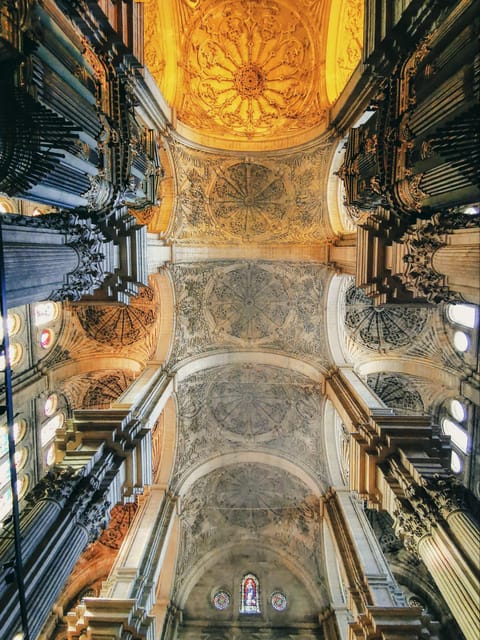
You finish at Catedral de la Encarnación de Málaga, also called La Manquita. This is the end point, and you get entry to the Cathedral as part of the tour.
What makes the cathedral a standout here is the explanation behind the nickname. The construction was never completed, and it’s linked to the pre-existence of the Great Mosque on the site. In other words, you’re seeing a building that grew out of a place with previous layers, and you feel the impact of that history in what got built and what did not.
In the real world, cathedral visits can sometimes be affected by events. One guide adjusted when the cathedral was not open during the planned time, then worked around it by extending and returning afterward. That kind of flexibility is a good sign if you’re traveling with limited time.
The skip-the-line part: what it actually means for your day
This tour includes fast-track entry with separate entrances at the sites visited. That detail matters more than it sounds because Roman Theatre, Alcazaba, and the Cathedral all attract steady lines, especially when cruise days and peak seasons hit.
The value is not only saving minutes. It’s reducing stress. When you’re not waiting, you can keep the flow of the story going. A good guide can connect what you just heard to what you see next, and the momentum stays with you.
That said, you still should budget your own buffer. The tour is 3 hours, and walking times plus security or entry checks can shift by a few minutes depending on the day.
What guides do best on this route, and why you should care
The biggest “real-world” strength here is the guide style. Many people describe guides as charismatic, funny, and comfortable managing groups. You’ll hear the names Fabiola, Maria, Dani/Dannie/Dani(e), Yado, Juan Carlos, Josema, and Natalia in the feedback.
Why does that matter? Because this tour is built on narration. The sites are impressive on their own, but the tour’s job is to translate stonework into a story you can remember. When the guide brings humor and keeps a calm pace, you end the 3 hours with a sense of how Málaga changed over centuries, not just a checklist of locations.
One more small quality point: several guides are praised for welcoming energy. If you’re solo, that matters. A group tour can feel cold if the guide only talks at the front, but on this route the repeated theme is inclusion, answering questions, and making sure people do not feel lost.
Pace, comfort, and what you should wear
Wear comfortable shoes. That’s not a generic tip. It’s the difference between enjoying Alcazaba and feeling miserable while you try to keep up. You’ll be walking through historic streets and climbing within fortress grounds.
Bring water if the weather is warm. The tour includes entry and guiding, but it does not include food or drink. If you’re the type who gets hungry fast, plan a snack before or after, not during.
Also keep in mind the tour is not suitable for people with mobility impairments. That comes down to the walking terrain and the fortress setting.
Price and value: is $37 a fair deal?
At $37 per person for a 3-hour guided walking tour, you’re paying for three things: guided storytelling, site entry for major monuments, and fast-track access.
If you were to buy tickets yourself and then try to line up guides separately, you’d likely spend more time managing logistics and more money overall. Here you get entry to Alcazaba, the Roman Theatre, and the Cathedral, plus a guided explanation that ties them together. That combination is what makes the value feel real.
The other value factor is time. Three hours is often exactly what you need for a first visit when you want to see key landmarks without using your whole day. It’s also a good “set-up” tour. After it, you know where you are and what to prioritize next, like whether you want to return for a longer cathedral visit or spend extra time around the Picasso area.
Who should book this tour
This works best if you:
- Are visiting Málaga for a short stay and want the big historical hits
- Like walking tours that have clear stops and guided context
- Want a guided way to understand Alcazaba, not just take photos
- Prefer a calm pace with time to ask questions
You might want to skip it if:
- You want a long, slow museum-style tour rather than a 3-hour walk
- You have mobility limitations that make stairs and uneven old-city surfaces difficult
- You hate guided narration and want total freedom
A short booking verdict: should you do it?
I’d book this tour if it fits your time window. It is a strong value for the number of major sights included, and the fast-track entry reduces the most annoying part of sightseeing. The guide quality seems to be the real differentiator, with plenty of people praising steady pacing and entertaining storytelling, including guides like Fabiola, Maria, and Dani.
If you’re unsure, think of it like this. You are buying a shortcut through history plus practical orientation in the city center. If that’s what you want on your first day, this is a smart use of 3 hours.
FAQ
Where is the meeting point for the tour?
Meet your guide at Pirámide de Cristal on Calle Alcazabilla, with the orange umbrella.
How long is the Málaga walking tour?
The tour lasts about 3 hours.
What are the main stops on the itinerary?
It visits the Roman Theatre, Alcazaba, and ends at the Cathedral of the Incarnation.
Does the tour include tickets and entry fees?
Yes. Entry is included for Alcazaba, the Roman Theatre, and the Cathedral.
Is there skip-the-line or fast-track entry?
Yes. You get fast-track entry through a separate entrance at the sites visited.
What languages are available for the live guide?
The live tour guide offers Spanish and English.
Is audio equipment included?
Audio equipment is included for groups of over 10 people.
Is hotel pickup or drop-off included?
No. Hotel pickup or drop-off is not included.
Is the tour suitable for people with mobility impairments?
No. The tour is not suitable for people with mobility impairments.
Fresh options around Malaga
- Night theatrical visit to the English cemetery★ 4.2 · 5 reviews
- e-Bike (Self-Guided) & Winery tour – 20km Easy★ 5.0 · 6 reviews
- e-Bike (Self-Guided) Setenil Circular – 41km Easy★ 5.0 · 11 reviews
- 2h E-bike tours+1day extra in Malaga★ 5.0 · 28 reviews
- Wine & Tapas tour by electric bike (e-bike) including Ronda pickup (full day)★ 5.0 · 34 reviews
- Ronda Private Full Day Wine Tour★ 4.5 · 8 reviews
- Yacht ride in Puerto Banús★ 5.0 · 26 reviews
- Wine, Tapas & Lake Zahara by e-bike incl Ronda pickup (full day)★ 5.0 · 4 reviews
Malaga Walking Tours, compared.
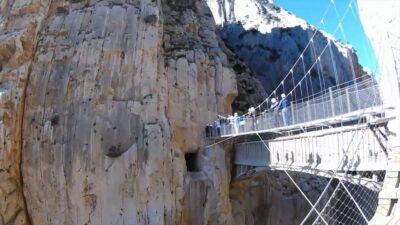
El Chorro: Caminito del Rey Gorge Route Guided Walking Tour
Read our review →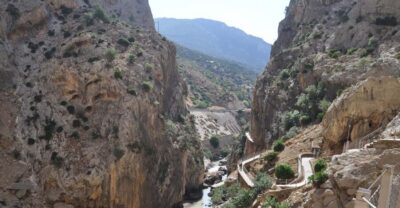
Ardales: Caminito del Rey & El Gaitanejo Guided Walking Tour
Read our review →
Ronda: Guided Walking Tour with English or Spanish Guide
Read our review →
Cathedral, Alcazaba, Roman Theater Walking Tour
Read our review →

Malaga Private Walking Tour, Alcazaba & Catamaran Cruise
Read our review →
Guided Walking Tour of the Old Town of Frigiliana
Read our review →Browse the lists this tour appears in