Reviewed · WORKSHOPS
Malaga: Drawing & Painting Lesson Outdoors
Málaga turns into a real sketchbook classroom when you learn to draw on the street. This outdoor lesson helps you notice details in the same places you would normally just walk past, with the city’s architecture and light doing the teaching. I like that it is hands-on outdoors, and that you leave with a postcard-style drawing plan for your memories.
What I love most is the variety, you can work in different mediums like watercolor, soft pastels, markers, charcoal, and more, without having to bring anything. And the instruction is practical for real people, including beginners, with teachers giving structure around things like perspective and proportion, like Alicia did for one participant whose lighthouse and harbor sketch turned out great. One possible drawback is the time: at 1.5 hours, you will need to work at a steady pace, especially if you are brand new or want a fully finished painting.
Key things to know before you pick your spot
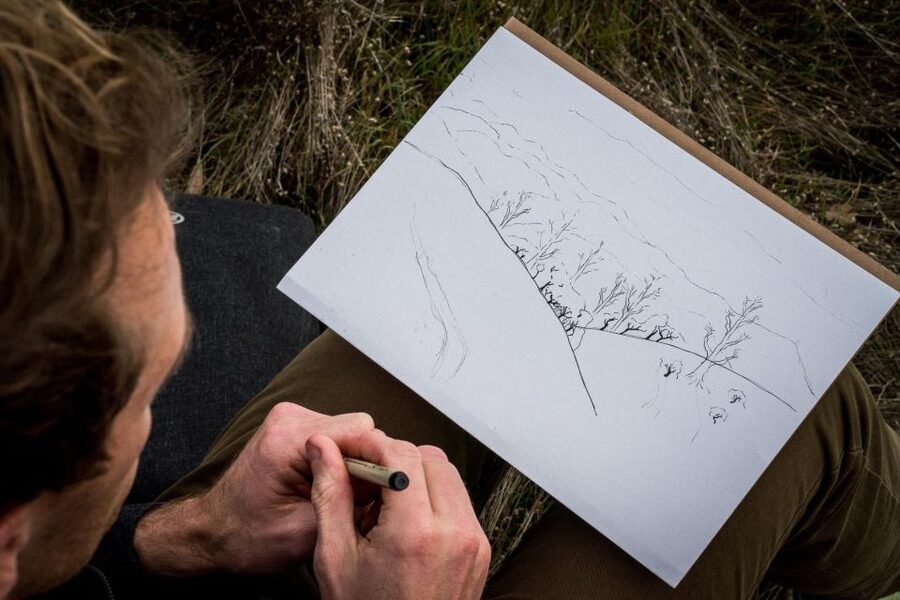
- Multiple mediums included, so you can try watercolor, soft pastels, markers, and charcoal in one session
- You choose the view theme, from the Port lighthouse and reflections to park nature or Old Town architecture
- Small group (up to 10) means you are not lost in a crowd
- On-street instruction focuses on how to look, then how to rebuild what you see
- Teachers work across skill levels, and often help with sketch setup like perspective and proportions
- All materials provided, so you can pack light and just start drawing
Why Málaga’s streets are a perfect outdoor art class
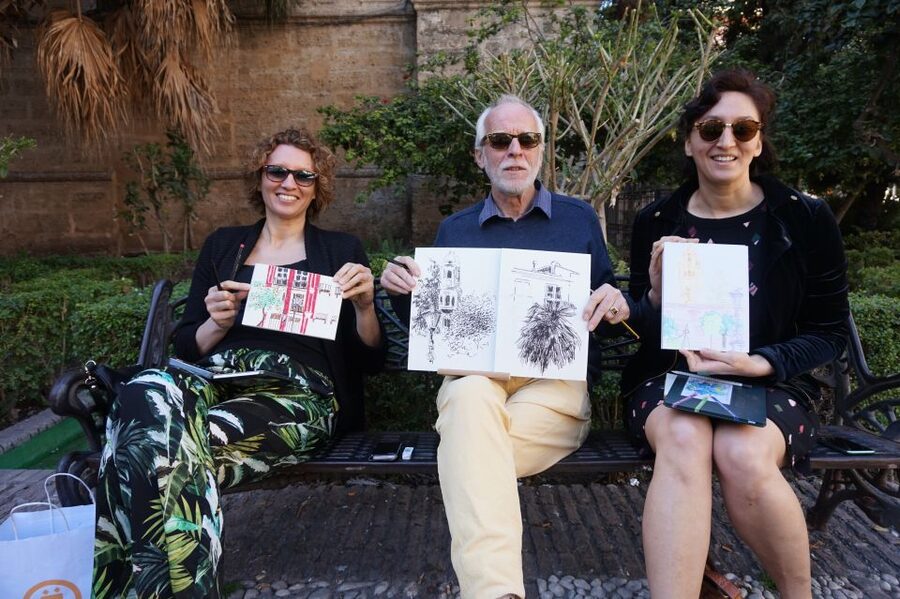
Málaga is a city that rewards looking closely. In a regular sightseeing loop, your brain files things as postcard images and moves on. In this lesson, you slow down on purpose. You learn how to frame what you see, how to plan a drawing on paper, and how to bring it to life with the medium that fits the scene.
The best part is that the city is the curriculum. You are not studying art in a studio bubble. You are standing in the exact environment you are trying to recreate, whether that is harbor light, boats, tropical-feeling greenery, or the geometry of Old Town buildings.
The lesson also leans into Málaga’s creative atmosphere. The pitch centers on “the city of Picasso,” and while you might not be chasing Picasso-specific facts, you are absolutely practicing the same core idea: inspiration shows up when you are actively working.
A few more Malaga days worth comparing
- Málaga: Spanish Cooking Workshop with Paella and Sangria
★ 4.9 · 613 reviews - Paella Cooking Class in Malaga
★ 5.0 · 209 reviews - Paella Cooking Class with English Guide in Malaga
★ 5.0 · 149 reviews
Picking your subject: Port scenes, park nature, or Old Town angles
One reason this works well for different people is that you get to choose a visual direction. You can aim your sketch at one of these options:
- The Port, including reflections, boats, and the lighthouse
- A park scene, focused on tropical nature
- Old Town architecture, like the Roman Theater or the Cathedral
That choice matters more than it sounds. Each subject changes the challenge. Port scenes tend to test reflections and light. Nature scenes usually push you toward texture, foliage shapes, and layered greens. Old Town architecture is all about straight lines, perspective, and the spacing between features.
If you like the idea of your final drawing feeling like a real “I was there” postcard, pick the subject that matches how you actually walked through Málaga. If your favorite memories are the harbor views, work there. If you fell for the feel of the older streets, do the Roman Theater or Cathedral area.
How the 1.5 hour lesson actually plays out
The total class time is 1.5 hours, and it is designed so you can start with confidence, not with stress.
In your first moments, your art teacher guides you on how to see the city with different eyes. This usually means turning real-world chaos into something you can draw: bigger shapes first, then the details that make it recognizable. The goal is to stop copy-pasting and start constructing.
From there, you pick a theme and begin working outdoors. You will practice live drawing techniques while experimenting with multiple art utensils. This is not just a “watch then try once” experience. You are meant to work alongside the instruction long enough to gain momentum.
Finally, you build your piece using the materials provided. The class is short, so the instruction emphasizes getting your composition down and adding color or shading in a way that looks finished, even if it is not a museum-grade masterpiece.
A tip from the spirit of the better reviews: pace yourself early. Your first 10 to 20 minutes make or break the final look. If your layout is solid, the rest becomes much easier.
Materials are included, and that’s the real value
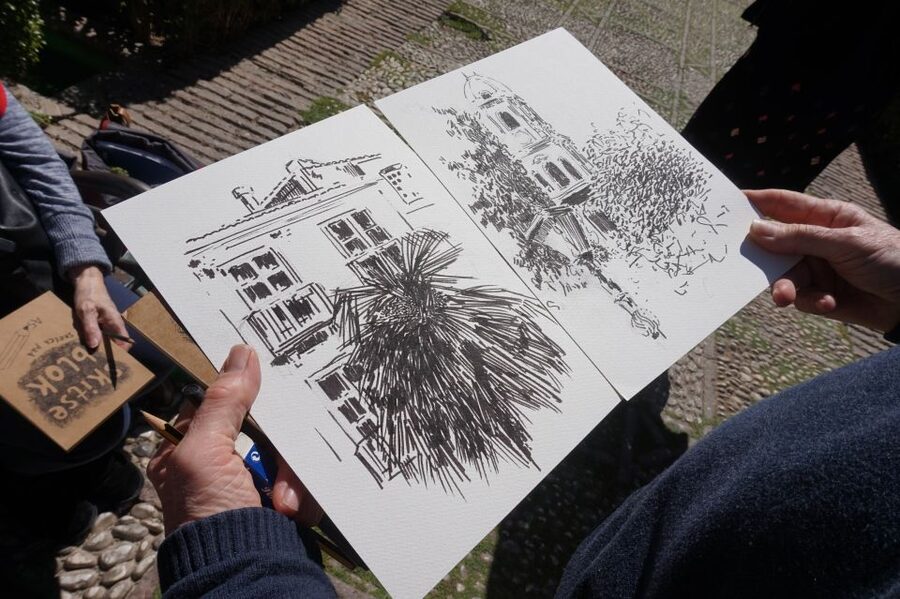
This is one of those activities where the “included materials” line is not filler. It is the reason the class stays good value.
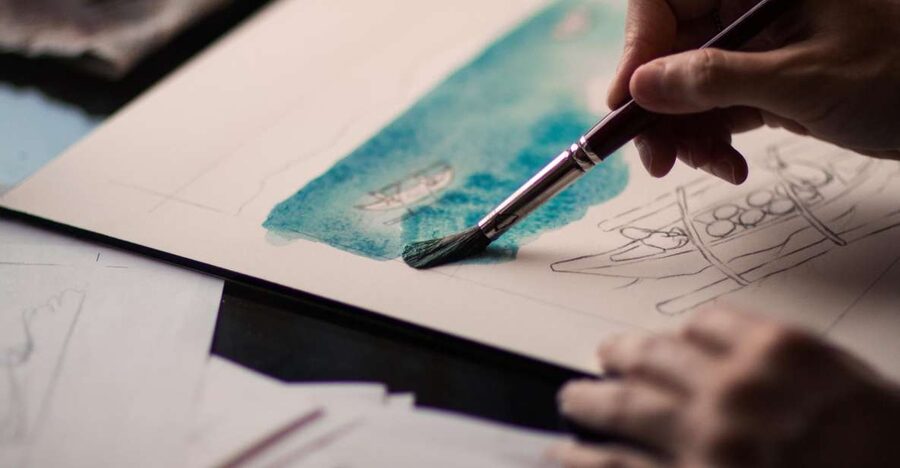
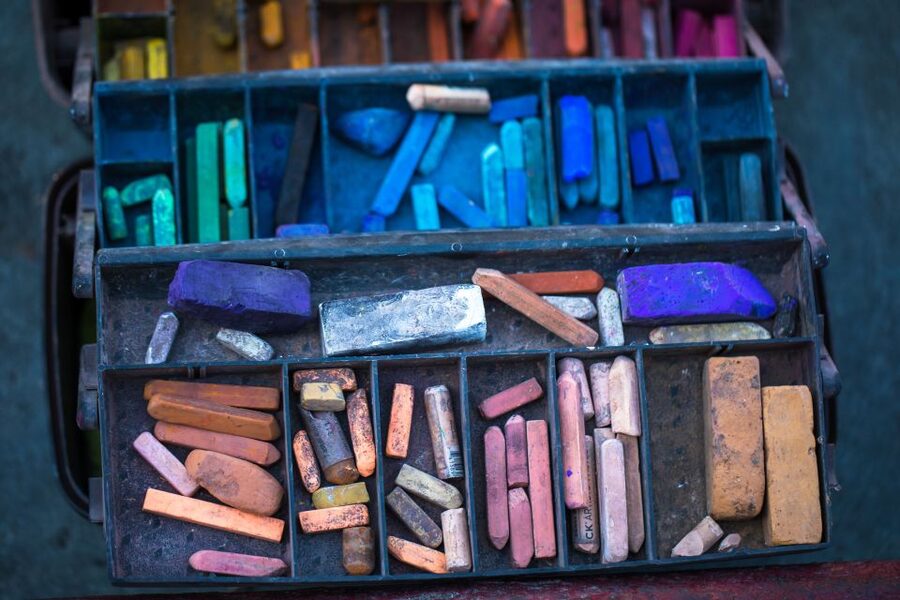
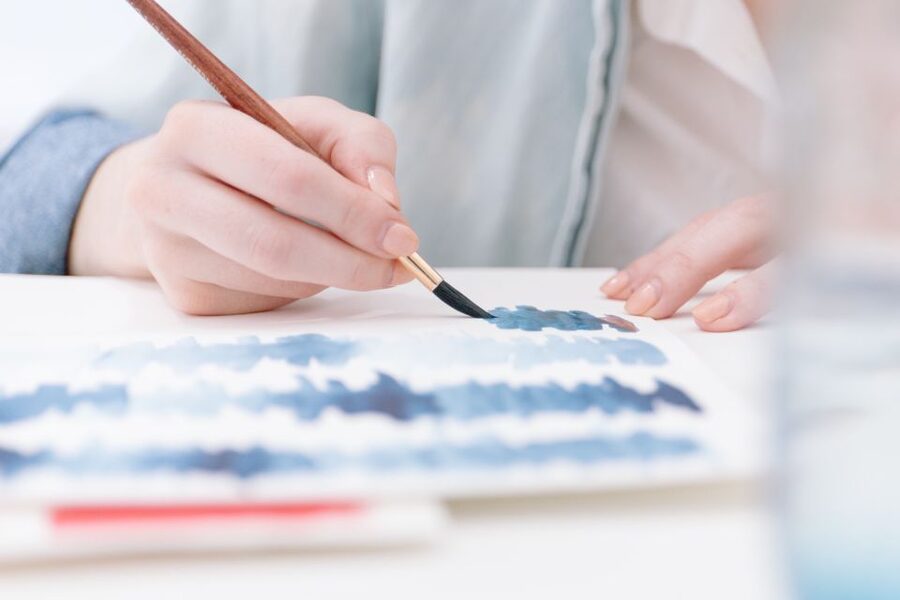
You get paper, watercolors, brushes, pencils, soft pastels, markers, and charcoal. That means you can test mediums without committing to buying a kit you will never use again. It also means the teacher can steer you toward the tool that fits the scene you chose.
Here is how you can think about the mediums, practically:
- Watercolor helps when you want light and atmosphere, especially for skies or softer gradients
- Soft pastels work well for quick color blocks and texture without heavy layering
- Markers are strong for crisp outlines and graphic clarity
- Charcoal is a fast way to get drama in shadows and strong values
In at least one case, a participant learned helpful guidance on color using different media, and ended with a polished sketch of the lighthouse and harbor. That is the key outcome you want: not just a bunch of random marks, but a coherent picture.
Same stretch of coast, a different kind of day:
- Málaga: Alcazaba and Roman Theatre Guided Tour With Entry
★ 4.8 · 5,792 reviews - From Malaga and Costa del Sol: Gibraltar Tour
★ 4.4 · 4,483 reviews - Malaga: Teatro Flamenco Malaga Live Flamenco Show
★ 4.7 · 4,254 reviews - From Málaga: Ronda+Setenil de las Bodegas with Little Train
★ 4.6 · 4,115 reviews
The teacher’s job: making you better at seeing, fast
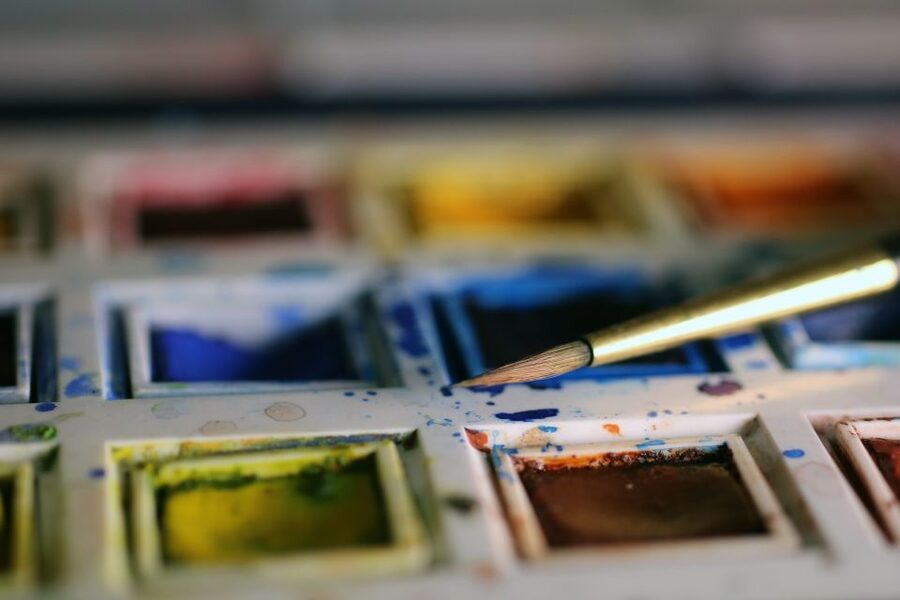
A big theme in the reviews is that instruction is geared to your level. Beginners are not treated like a lost cause. People who have not drawn in a long time are still able to finish something they feel proud of.
One review specifically mentions help with perspective and proportions, plus support on how to build the image. That kind of guidance is gold because it reduces the most common beginner frustration: you draw what you think you see, then the result looks off. With quick structure, you can fix the composition while you still have time to enjoy the process.
Another point that keeps coming up is the teacher’s energy. People describe the session as relaxing, a break from standard tourism, and something that feels both fun and purposeful. That mix matters. If the class feels stiff, you spend your time worried. If it feels supportive, you actually learn.
And if you care about communication, the class is offered in Spanish, English, and Italian, so you can pick the language you are most comfortable with.
Where to meet and what that means for your day
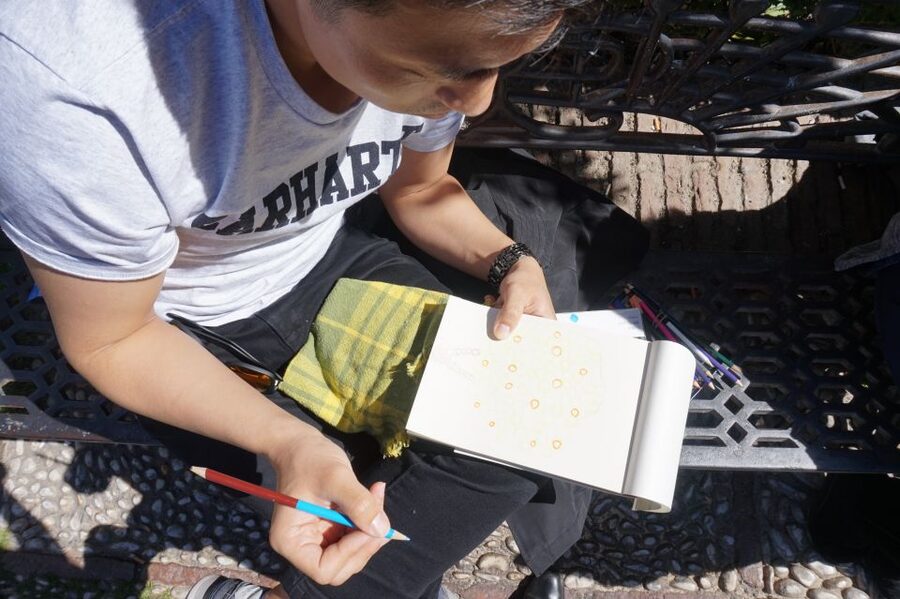
You meet right next to the Colors Cube of the Centre Pompidou. That is an easy landmark to find, and it also signals what kind of lesson this is: you start in a real public space, then you work out in the streets.
Because it is outdoors, plan to dress for warm or variable conditions. And because you are using art materials, it is smart to wear something you do not mind getting a tiny bit messy, just in case.
Timing-wise, it is only 1.5 hours, so it fits well into an afternoon. If you have a packed schedule, treat this like a planned creative stop, not something to squeeze in when you are already rushed.
Price and value: is $65 a fair deal for a paid art lesson?

The cost is $65 per person for 1.5 hours with a teacher and all materials included.
At first glance, that might sound steep if you compare it to a free walking tour. But the comparison that matters is against a typical “guided hobby workshop” where you often bring your own supplies or pay extra for materials. Here, you get the full kit: paper, watercolor, brushes, pencils, pastels, markers, and charcoal.
You are also paying for the teacher’s feedback and structure. Beginner drawing problems are hard to solve alone. When someone helps you with setup like proportions or perspective, you save time and frustration. That can turn the class from “a nice activity” into a real skill-building experience.
Finally, you get a finished souvenir. The best kind of travel keepsake is one you made with your own hands. This class is built around that postcard-style result, based on whichever city view you choose.
Who this class is best for
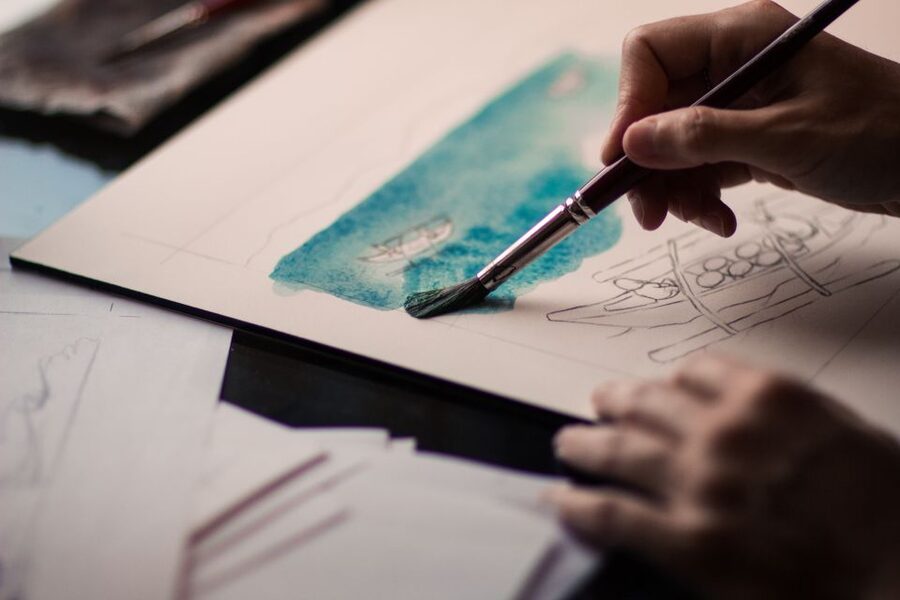
This is ideal for you if:
- You want a creative break that still feels connected to the city
- You are a beginner, or you have not drawn in a long time
- You like trying tools in a low-risk way, instead of buying a kit
- You want a small-group setting, capped at 10 participants
It is also a great option if you are the kind of traveler who enjoys making a plan for “what I will remember.” The teacher’s approach trains you to recreate architectural highlights, so you end the session with more than a sketch. You end with a method for seeing the city better.
If you are an advanced artist, you might still find it useful for practicing quick composition outdoors. Just keep expectations realistic given the 1.5 hour time window.
Should you book it? My practical take
I would book this if your goal is to come home with a real city drawing you can point to, and if you want to learn how to look at Málaga with more intention. The class hits the sweet spot of supportive instruction, outdoors scenery, and included materials. It also gets strong marks for relaxing vibes and for teachers who help with key skills like perspective and proportions.
Skip it if you expect a long, slow painting session or if you want to spend most of the time perfecting one tiny detail. At 1.5 hours, you will be working with a pace. But if you can enjoy fast, guided progress, this feels like a smart use of time in Málaga.
FAQ
FAQ
How long is the Málaga drawing and painting lesson outdoors?
The session lasts 1.5 hours.
What’s included in the price?
The activity includes drawing materials and an art teacher.
Where do I meet for the lesson?
You meet right next to the Colors Cube of the Centre Pompidou.
How big is the group?
It is a small group, limited to 10 participants.
What languages are available?
The instructor speaks Spanish, English, and Italian.
Is the activity wheelchair accessible?
Yes, it is listed as wheelchair accessible.
Fresh options around Malaga
- Private Tours In Ronda★ 5.0 · 17 reviews
- Paella class★ 5.0 · 3 reviews
- Off-road buggy tour Sierra de Mijas buggy 2h★ 5.0 · 69 reviews
- Off-road buggy tour Sierra de Mijas buggy 3h★ 5.0 · 68 reviews
- Walk through the old Malaga medina★ 5.0 · 5 reviews
- Mythological and Historical Tour of Almuñecar★ 4.5 · 9 reviews
- Nerja & Frigiliana Private Day Trip from Malaga or Marbella★ 5.0 · 13 reviews
- Muscat Raisin Route – Small group with lunch included★ 5.0 · 12 reviews
Workshops, compared.

Spanish Cooking Workshop with Paella and Sangria
Read our review →

Paella Cooking Class with English Guide in Malaga
Read our review →