
Reviewed · MARBELLA TOURS
Marbella Old Town: Group Tour with a True Local
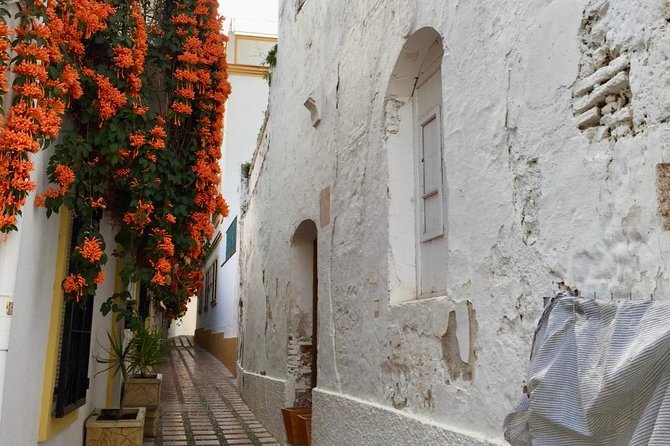
Marbella Old Town has a neat trick up its sleeve, it turns the city into a timeline you can walk through. You follow narrow lanes tied to an 8th century Arab medina, then you see how the place changed after the Christian reconquest of 1485. It is guided, so you do not just wander, you actually understand what you are looking at.
I especially like that the tour packs in two big anchors for such a short time, the 1502 palace visit and an extra virgin olive oil tasting to close. I also like the feel of a small-group walk where the guide keeps moving at a conversational pace and still gives you solid context.
One thing to consider: it runs in rain or shine, and there is a minimum of 4 people for the tour to operate. So it can be smart to keep a little flexibility in your day.
Key things to know before you go
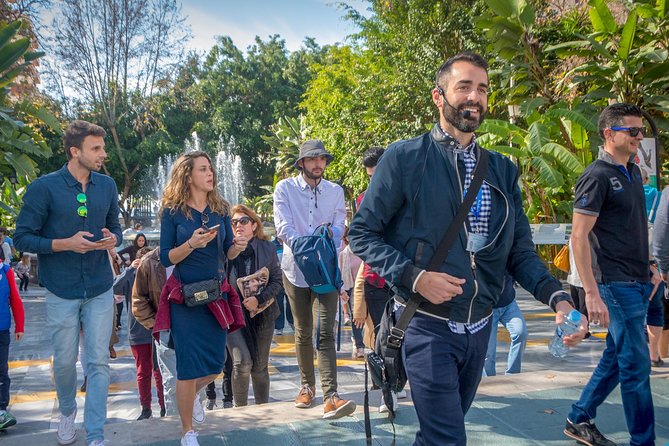
- Meet right at Alameda Park, at the fountain Virgen del Rocio, so you start oriented
- Arab medina streets are part of the route, with history tied to what you see
- A palace dating back to 1502 is a standout stop that most self-guided walks skip
- Christian reconquest era changes get explained in plain terms as you move through Old Town
- Olive oil tasting is free when available, so do not treat it as guaranteed
- English live guide with a small-group feel, built for questions and conversation
Why Marbella Old Town Works Like a Living Timeline
If you want Marbella to feel more than beach photos, this is the kind of tour that helps you read the city. The Old Town is layered, and the guide points out how each era left visible marks in the street layout, the civic spaces, and the buildings you pass. Instead of memorizing facts, you connect the dots while you walk.
I like that the tour is built around a few concrete moments. You are not just told that Marbella has history, you see it as a sequence: the Arab medina phase tied to the 8th century lanes, then the Christian reconquest era after 1485, and later the presence of a major palace dating to 1502. That structure makes it easy for you to remember.
You also get a food payoff at the end. The olive oil stop is not a random add-on, it ties the region’s identity to something you can taste. For many people, that is what turns a “nice walk” into a trip memory that actually sticks.
More things to do around Marbella:
- From Marbella: Guadalmina River Guided Canyoning Adventure
★ 4.9 · 1,486 reviews - Marbella: Sailing & Dolphin Watching with Snacks and Drinks
★ 4.7 · 1,062 reviews - From Marbella: Canyoning Tour in Guadalmina Canyon
★ 5.0 · 778 reviews
Alameda Park to Av. del Mar: Starting With the Right Place to Think
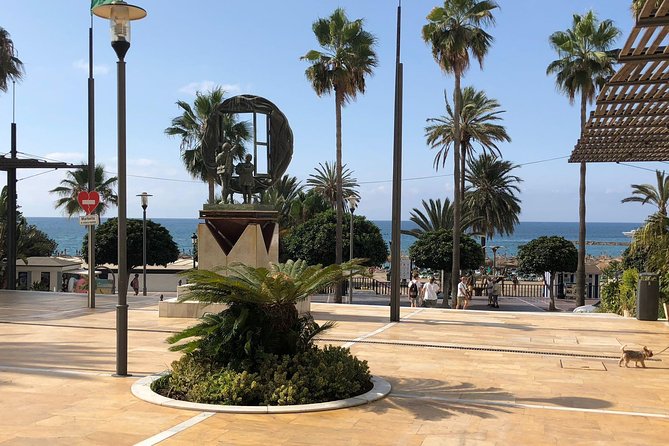
The tour begins at Alameda Park, at the fountain Virgen del Rocio right in the center. This is a smart choice because Alameda Park acts like a “reset point.” If you are arriving from the modern parts of town, it helps you shift gears fast into Old Town mode.
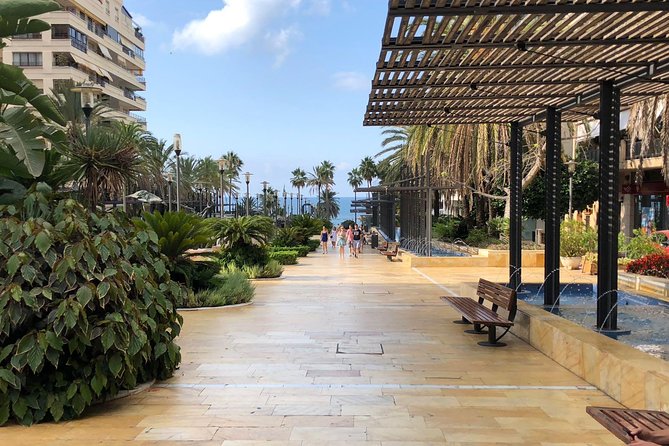
From there, you move to Avenida del Mar. This is one of those stretches where the guide can set up contrast. You see how Marbella’s modern approach to streets and walking connects back toward the older core. Even if you do not know the dates yet, you get a better sense of where Old Town starts and why it sits where it does.
The early minutes matter. The tour is only 1.5 hours, so the guide uses the first stops to get your attention on themes. You start thinking about layers, power, religion, and daily life instead of treating each stop as a separate postcard.
Capilla San Juan de Dios: Small Stop, Big Role in the Christian Layer
Next up is the Capilla San Juan de Dios, a short stop that still does a lot of work. Even though you are not lingering for a long visit, you are using that pause to understand the Christian chapter of the city’s story after 1485. The guide connects what you see at the chapel area to the broader shift in Marbella’s development.
This is one of the places where a guided walk can beat going solo. Without context, you might simply note the chapel and move on. With context, you notice the role of religious spaces in shaping the look and rhythms of a neighborhood.
You also learn how to recognize the “signals” that a guide is watching for. Those small architectural cues and street patterns help you keep a running mental map as you head toward the bigger civic squares and landmarks later.
Plaza Altamirano and the 1502 Palace Moment
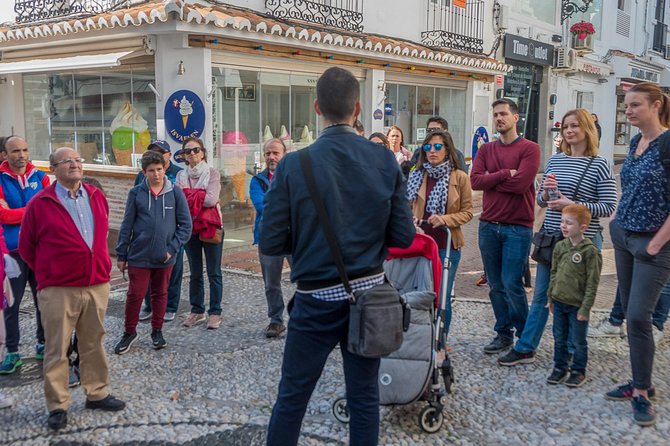
Plaza Altamirano is where the tour shifts toward the civic heart of Old Town. This is also where you get the highlight tied to the palace dating back to 1502. That date is a big deal, because it anchors you in a time when Marbella’s identity was no longer just about older layers but about how power and wealth were displayed.
In practical terms, this stop helps you understand why certain spaces feel important. Palaces tend to sit where people can access them and where the city’s public life flows. So when you reach this portion of the route, you should start looking up, around, and back toward the streets you just walked. The guide’s explanations turn what could be a quick glance into something more meaningful.
If you love history but hate slow museum marathons, this is a great compromise. In about 1.5 hours, you get at least one major “date anchor” plus a clear explanation of what changed after reconquest. Then you keep moving.
Same stretch of coast, a different kind of day:
- From Malaga or Costa del Sol: Mijas, Marbella & Puerto Banus
★ 4.5 · 677 reviews - Marbella: Sunset Sailing Trip with Drinks and Snacks
★ 4.8 · 586 reviews - Authentic Andalusia – Jeep Eco Tour (pick up from Marbella – Estepona)
★ 5.0 · 564 reviews - From Marbella: Private and Group Sailboat Cruise & Drinks
★ 4.6 · 316 reviews
Torre de la Pólvora: Reading the City’s Defensive Past
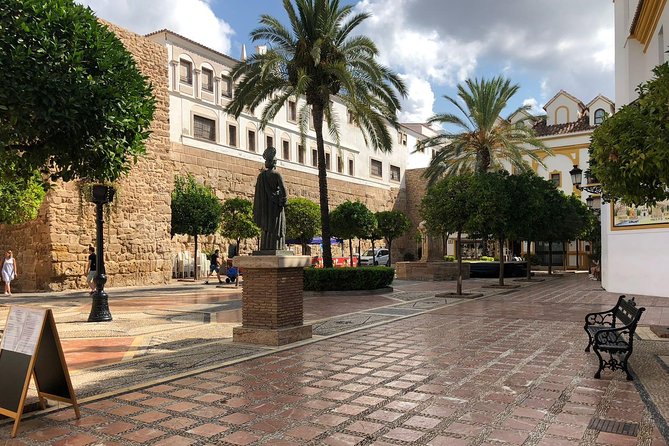
The route brings you to the Torre de la Pólvora. You are there for a short guided look, but towers are never just decorations, they usually point to a reason the city needed height and visibility.
The value of this stop is how it helps you interpret Old Town as a defensible shape, not just a pretty maze of streets. As you walk past the tower and nearby corners, you start to understand why the older street layout could feel different from modern grids. The guide ties it to the city’s development across eras, so the tower becomes a clue.
A practical tip here: take one or two slow photos, then listen. If you focus only on pictures, you miss the point. This stop is best when you treat it like a mini lecture with a view.
Plaza de los Naranjos Finish: Where the Olive Oil Tasting Lands
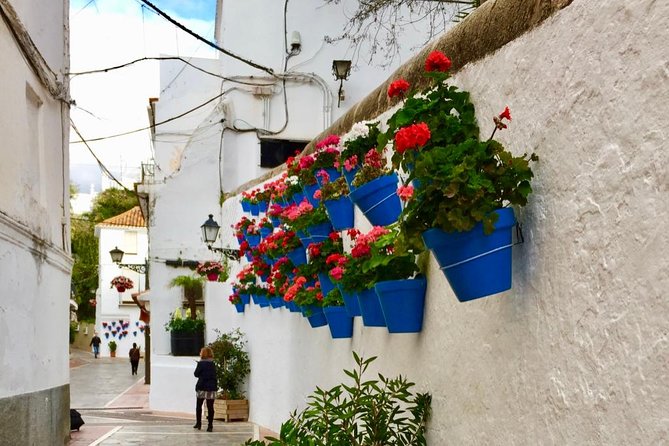
You end at Plaza de los Naranjos. The name alone signals oranges, and the square is the kind of place where you naturally slow down. By the time you reach the finish, you should feel oriented, not lost, which is the whole goal of a good Old Town walk.
This is also where the olive oil tasting takes place in a local olive oil shop in the Old Town area. The tasting is free of charge, but it is subject to availability, so do not assume it will always happen every single time. Still, the structure is designed so you are expecting a final food moment after learning the city’s story.
Even the ending location is a win for value. A lot of walking tours end somewhere inconvenient, then you spend your effort trying to figure out dinner. Finishing in a central Old Town square puts you close to places to keep exploring once the tour wraps.
The Olive Oil Tasting: What You Learn and What to Ask for
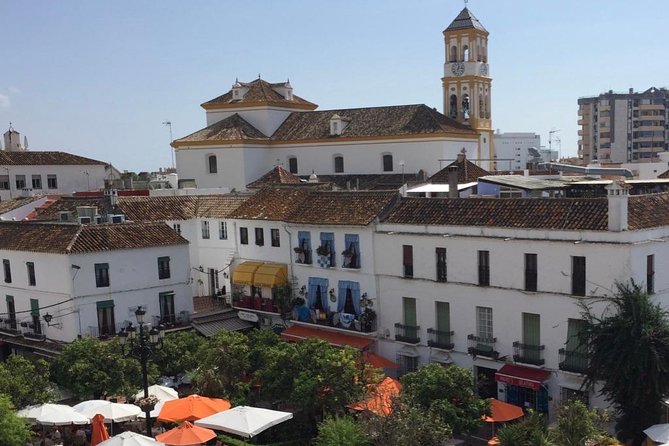
The tour highlights Spanish olive oil education, and the tasting is the payoff. You are not just sampling something, you are learning what to pay attention to when it comes to extra virgin olive oil. The guide explains the product, then you taste it in a setting where you can ask questions.
Here is what you can do to get the most out of it. Slow down during the tasting, and pay attention to how the guide describes the flavor profile. If you like one oil more than another, ask what makes it different. You do not need to become an olive oil critic, but you do want to leave knowing what you bought and why.
If you plan to bring bottles home, ask about options for shipping. One person in the group bought oil and arranged shipping because they only had hand luggage. That kind of option can be a relief if you are traveling light.
Also, keep in mind that some tours add a drink at the end. At least one group experience included a glass of wine with the tasting. Do not count on it, but it is worth noticing the offer when you arrive at the shop.
Pace, Small-Group Feel, and What to Bring for 1.5 Hours
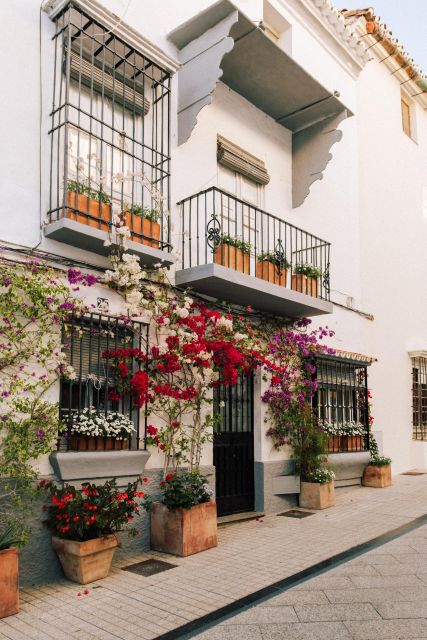
This is a 1.5-hour walking tour with multiple short stops. The pace is set up so you are not stuck standing in one place. Each segment is guided, then you walk on. That makes it work well if you are trying to get your bearings quickly.
The tour is described as small group, and that tends to be the secret sauce. In a small group, you can hear the guide, ask questions, and still keep moving. It also helps the guide manage the crowd smoothly at each stop.
Bring the usual Old Town essentials. Comfortable shoes are non-negotiable, because Old Town streets can be uneven. Add sunscreen and water, and throw in a sun hat if the weather is bright. The tour runs rain or shine, so if rain is in the forecast, plan for wet surfaces and use grippy footwear.
If you get motion sick, keep your pace steady and focus your attention on what the guide is showing, it helps pass the time faster than staring at the ground.
Price and Value: Why $29 Makes Sense for This Route
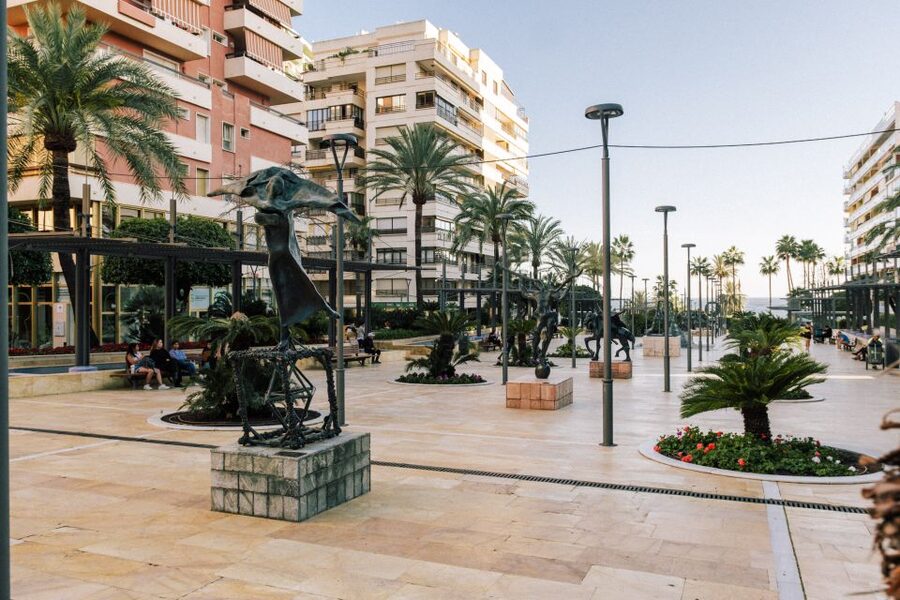
At $29 per person, this tour is priced for real value, not just a “nice add-on.” You are paying for a local licensed tour guide plus a walk that covers multiple named Old Town stops within a compact time window.
What makes it feel worth it is the combination of:
- a structured route through key Old Town areas
- a palace stop tied to 1502
- an oil tasting that can be free when available
Many tours charge more for a route that is mostly wandering with a few quick comments. Here, the stops are specific and the themes are consistent, Arab medina streets, reconquest changes after 1485, and Spanish olive oil as the final taste-based takeaway.
You also get practical advice along the way. Multiple guide experiences included recommendations for where to eat. That matters because it turns your day from one planned activity into a fuller plan, with less guesswork.
Who This Tour Fits Best in Your Marbella Plan
This walk is a good match if you want Old Town context without spending half a day trapped on a rigid schedule. If you are the type of traveler who loves a few well-chosen landmarks and then wants to explore on your own, this format works.
It also fits families and mixed-age groups because the tour is short and stop-based. You are moving, but you are not marching for hours. Plus, the route is listed as wheelchair accessible, which is important if mobility is a factor for you or someone in your group.
Languages matter too. The tour runs with a live English guide, so you can ask questions and get direct answers rather than relying on signage.
If you are in Marbella for just a day or two, this is the kind of tour that helps you build a mental map fast. Then you can come back later with better instincts for where to wander.
Should You Book This Marbella Old Town Walk?
Book it if you want a guide-led Old Town route that actually explains what you are seeing, including a palace dating back to 1502 and the story of how Marbella developed after 1485. The olive oil tasting at the end is a strong reason to choose this over a self-guided stroll, especially since it can be free when available.
Skip it only if you want a long, slow exploration or you dislike walking in rain. The tour is also dependent on meeting a minimum group size of 4 people, so if you have a tight schedule, keep a backup plan for the day.
If you do book, show up at Alameda Park near the fountain Virgen del Rocio, wear comfortable shoes, and come with an open mind. You will leave with a clearer sense of Marbella, and you will have something tasty to remember it by.
FAQ
How long is the Marbella Old Town group tour with a true local?
The tour lasts 1.5 hours.
Where do we meet the guide?
Meet your guide at the fountain Virgen del Rocio right in the center of Alameda Park.
Is the tour in English?
Yes, the live tour guide language is English.
Does the tour run in bad weather?
Yes, the tour takes place rain or shine.
Is this tour wheelchair accessible?
Yes, it is listed as wheelchair accessible.
What is included in the price?
The local licensed tour guide is included. Private transportation and the olive oil tasting are not listed as separate paid add-ons, but the tasting is described as free of charge and subject to availability.
Fresh options around Marbella
- Jet Ski Experience in Marbella★ 4.5 · 44 reviews
- Marbella Old Town Walking Tour★ 4.0 · 8 reviews
- Ronda Private Wine Tour and Tapas from Marbella★ 4.5 · 8 reviews
- Manilva Oceanfront Wine Experience in the Marbella Area★ 5.0 · 51 reviews
- Marbella Tapas Tour★ 5.0 · 27 reviews
- Tangier Private Tour from Marbella Including Camel Ride & Lunch★ 5.0 · 6 reviews
- TRANSFER MALAGA AIRPORT from OR to MARBELLA-PRICE ALL INCLUSIVE★ 3.5 · 3 reviews
- Marbella Old Town: Authentic Tapas Food Tour With Local Guide★ 5.0 · 59 reviews
Marbella Tours, compared.
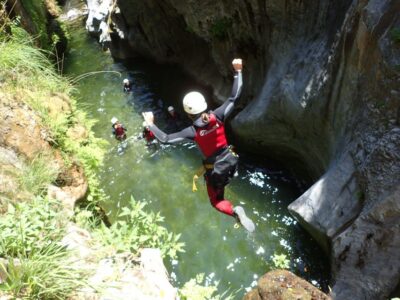
From Marbella: Guadalmina River Guided Canyoning Adventure
Read our review →
Marbella: Sailing & Dolphin Watching with Snacks and Drinks
Read our review →
From Marbella: Canyoning Tour in Guadalmina Canyon
Read our review →
From Malaga or Costa del Sol: Mijas, Marbella & Puerto Banus
Read our review →
Marbella: Sunset Sailing Trip with Drinks and Snacks
Read our review →
Authentic Andalusia – Jeep Eco Tour (pick up from Marbella – Estepona)
Read our review →
From Marbella: Private and Group Sailboat Cruise & Drinks
Read our review →
Marbella: Puerto Banús Boat Rental with No License Needed
Read our review →Browse the lists this tour appears in