
Reviewed · PICASSO MUSEUM & TOURS
Picasso roots Private Walking Tour in Central Malaga
Picasso roots Private Walking Tour is interesting because it treats Central Malaga like a big family photo album, with Picasso’s childhood and relatives as the thread. You get the full story by walking from landmark to landmark, ending where a Picasso exhibition is tied to the same old connections. I love that this is a true private tour format, so your local guide can slow down for your questions. I also like how the route links places you can see right now to the people behind them, from baptism to museums.
The plan also gives you a lot of meaning per stop, not just a list of sights. You’ll hear how Malaga in the 19th century shaped what was possible, then you’ll follow Picasso’s path through his family and routines in the city. One possible drawback, plan for it, is that it’s a longer walk than it sounds, so comfortable shoes matter and you will be moving most of the 2 hours.
Quick highlights you will feel on the walk
- Private, English-language guide time with only your group.
- XIXth-century Malaga context that connects to Picasso’s early life.
- Birthplace and family stops paired with clear explanations.
- Church stop covering baptism and parents’ marriage location.
- Cafe Chinitas reference tied to Picasso’s last visit to Malaga.
- Bishop’s House exhibition that connects the past to what’s on display now.
Entering Picasso’s Malaga through the 19th century
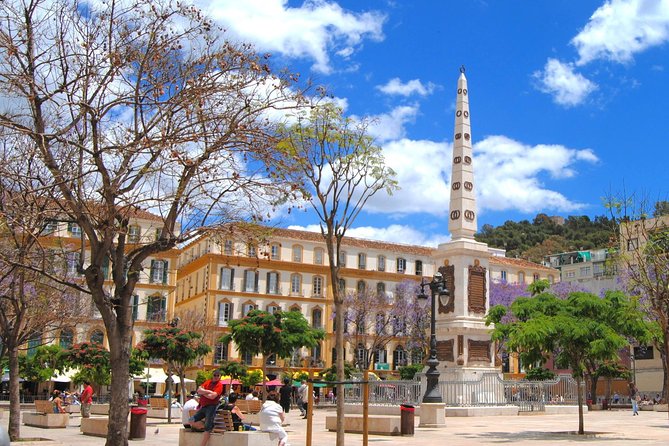
This tour is built around the idea that Picasso did not appear out of nowhere. Instead, you start with the city around him, including how Malaga worked and what life looked like in the 1800s, the same era when Picasso was born. That framing helps everything you see later click into place, because you understand the surroundings, not just the name on a building.
You’ll also get a sense of how storytelling works in real cities. The guide points out specific links between street corners, institutions, and family life, so you’re not only looking at architecture. You’re learning how those buildings functioned back then, and why they still matter today.
A key plus here is that the pacing is designed for interpretation. Each stop does more than mark a point on a map, it builds a thread, so you can leave the walk with an actual narrative in your head, not just photos.
More Picasso museums and tours:
- Malaga: Picasso Museum Guided Tour with Skip-the-Line Ticket
★ 4.8 · 485 reviews - Málaga: Picasso Birthplace Museum Ticket & City Audio Guide
★ 4.1 · 158 reviews - Paint your own Picasso
★ 5.0 · 61 reviews
Teatro Cervantes to Plaza del Obispo, the route that shapes the story
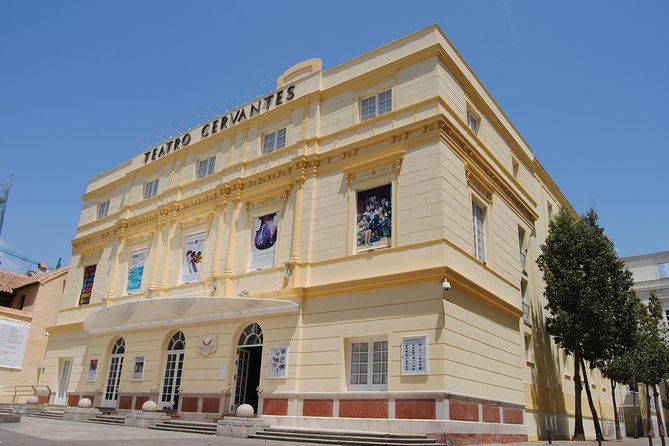
Your start point is Teatro Cervantes on C. Ramos Marín, s/n, in the Centro district. The walk ends at Plaza del Obispo, also in the Centro district. That matters because Central Malaga is compact, and the tour uses that compactness to keep momentum.
It’s also practical that the tour is near public transportation. You are not locked into one complicated commute plan, and you can fit it into a normal day of sightseeing.
Because it’s private and only your group participates, you can also tailor your speed. If your group likes photos, you can plan for more stops. If your group prefers to listen and keep moving, the guide can keep things flowing.
Stop 1: Learning the society of Malaga when Picasso was born
The first stop sets the tone: you learn about the society of Malaga in the 19th century, connected to the period when Picasso was born. This is a smart move, because it prevents the “Picasso myth” effect, where everything becomes just famous artwork and big names.
Instead, you build an everyday foundation. You learn what the city’s social world looked like and how that kind of environment can shape a young person’s life. Even if you already know Picasso as an artist, the tour pushes you to think about him as a child living inside a real community.
This is one of the most valuable parts of the experience because it changes how you notice the next buildings. When you reach Picasso-related sites later, you’re not only seeing locations, you’re understanding what those locations meant.
Stop 2: Picasso’s playground, where the city becomes a classroom
Next, you meet what was Picasso’s playground. This is where the tour shifts from background to daily life. You start to connect the idea of “artist origin” to something more human: a kid exploring the city, learning through movement, and forming connections in the streets.
I like this stop because it tends to turn the walk into something personal. The guide helps you see how children interact with their surroundings, and how those habits can later influence an artist’s instincts.
Practical tip: if you like photo stops, keep your phone ready here. It’s the kind of moment where a quick picture can lock in the story you just heard.
More guided walks around Malaga:
- Málaga: 3-Hour Complete Walking Tour with Tickets
★ 4.5 · 976 reviews - Málaga: Cathedral, Alcazaba, Roman Theater Walking Tour
★ 4.7 · 315 reviews - Malaga Private Walking Tour, Alcazaba & Catamaran Cruise
★ 5.0 · 159 reviews - Guided Walking Tour of the Old Town of Frigiliana
★ 5.0 · 101 reviews
Stop 3: Picasso’s birthplace and family context you can picture
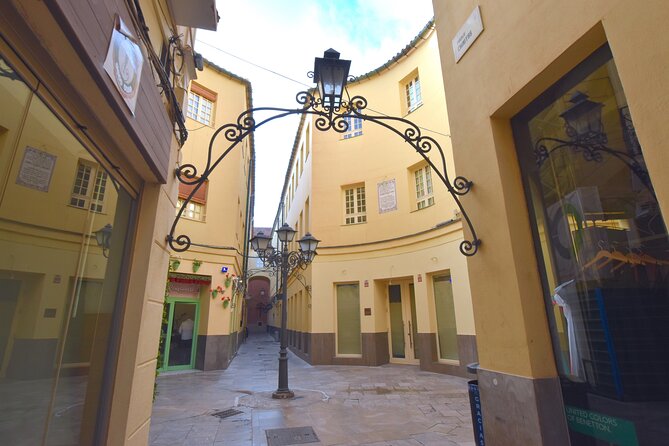
Then you see Picasso’s birthplace and learn about his family. This stop is about more than a single address. It helps you understand how family shaped what Picasso had access to, what kind of education and support existed, and why some doors were open.
Family context is what turns biographies into something you remember. Instead of collecting facts, you build a map of relationships. You’ll leave with clearer mental links between Picasso and the people connected to him, especially his parents and his father’s role.
The private format helps here. If your group wants more detail or wants the guide to explain a point in simpler terms, you’re not waiting for a group rhythm.
Stop 4: The church where Picasso was baptised, and where parents married
The next stop is the church where Picasso was baptised and where his parents got married. That single location carries two big life moments, and the guide uses that connection to show you how religious and family life intertwined in that era.
What I like about this stop is the emotional logic. Baptism and marriage are not random ceremonies, they are anchors. Hearing how both events connect to the same place makes the story feel cohesive, and it also clarifies why the early life narrative matters for understanding the later cultural ties.
There’s also a practical advantage. Churches often sit in the heart of a neighborhood. So you’re not walking out to something isolated. You’re still inside Central Malaga’s real geometry, where the rest of your sightseeing day can naturally continue.
Stop 5: Why Malaga has a Picasso museum, through family lending
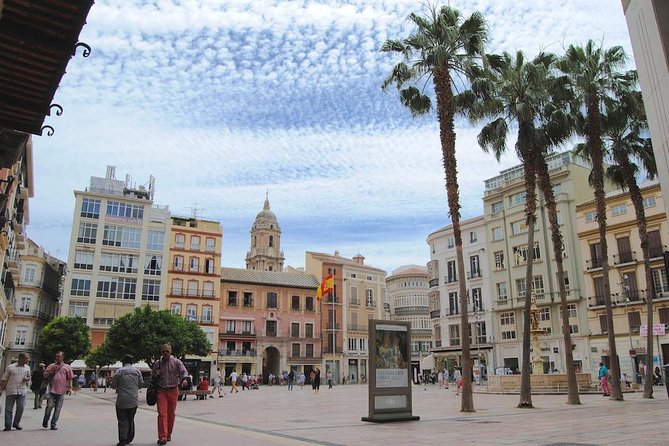
After that, you learn why we have a Picasso museum and how his family lent his works to the city. This is the part that explains the “why here?” question that most people have. Picasso belongs to the world, but Malaga’s claim is personal because it connects to Picasso’s own family and their relationship to the city.
I like this stop because it helps you understand museums as living relationships, not just buildings with a ticket counter. The tour frames the museum as something tied to family decisions and local heritage. That gives you a better lens for what you might choose to see later on your own.
This is also where the tour becomes especially useful for first-time visitors. If you only know Picasso from posters or a few famous works, this gives you a place-based entry point to explore more afterward.
Stop 6: The father’s teaching place, and Picasso’s visits
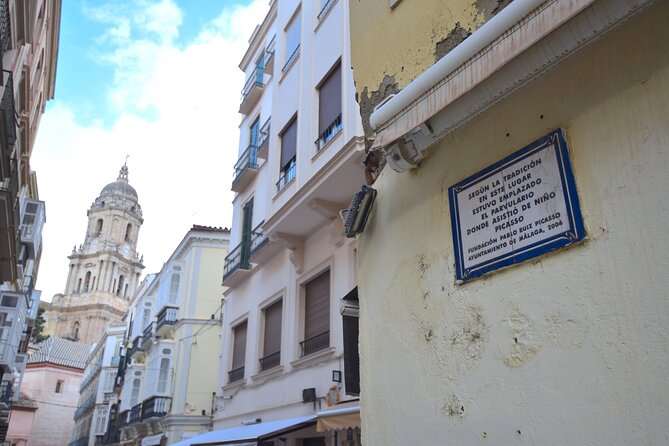
The route then moves to where Picasso’s father used to teach, and where Picasso himself used to go to visit his father. This stop adds an everyday routine to the story. It’s not only about major life events, it’s about recurring moments, like visiting a classroom and watching how knowledge and teaching work.
I like that it reframes Picasso’s early environment as something structured. A father teaching implies discipline and observation. A child visiting means curiosity and exposure. Even if you do not know much about art education, this gives you a human explanation for how ideas can form.
It’s also a useful stop for anyone who likes cause and effect. The guide connects the dots between a family role and a young Picasso’s access to certain environments.
Stop 7: Cafe Chinitas and what happened on Picasso’s last Malaga visit
Then you get to one of the more story-forward stops: where the famous Cafe Chinitas was, and what happened there in Picasso’s last visit to Malaga. This is a location-based anecdote stop, and that kind of shift keeps the tour from feeling too academic.
The key value here is that it shows Picasso as part of real city life across time. It’s not only childhood and family documents, it’s also the adult Picasso connected to social spaces. For many visitors, this is when the story starts to feel less like a biography and more like a lived timeline.
A small consideration: this kind of stop may feel lighter than the church and birthplace moments. If your group wants facts and context, the guide can usually connect the anecdote back to the bigger theme of family and Malaga ties.
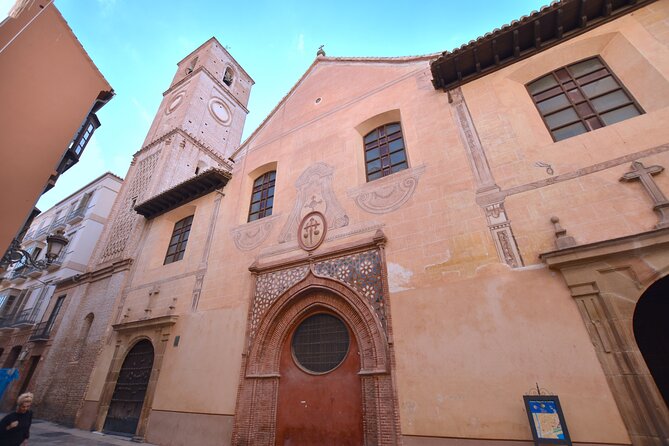
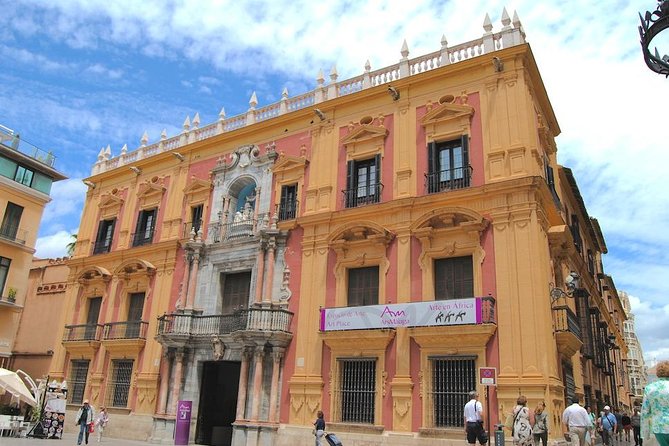
Stop 8: Bishop’s House and the special Picasso exhibition
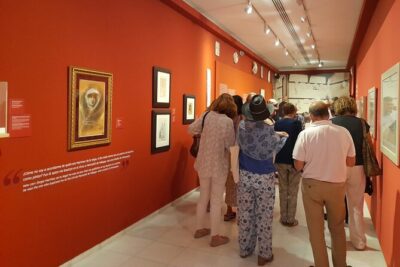
The tour ends at the Bishop’s House, where a special exhibition about Picasso’s work is held. Ending here works well because it turns your walking narrative into a tangible museum-style payoff. You’ve learned the family threads, the city threads, and the key places, then you finish in a space designed to show Picasso through curated presentation.
The Bishop’s House stop also gives you a chance to connect “why this matters” to what is on display. Even if the exhibit changes, the location still supports the idea that Picasso’s story remains active in Malaga.
If your group likes art in a hands-on way, this ending is ideal. You’ll be in the right mood to look closely, because you already know the personal and local context behind the exhibition.
What makes the guides matter: Juan Diego and architect-style storytelling
The quality of this tour is strongly tied to the guide experience. One guide mentioned in the tour feedback is Juan Diego, described as helpful, friendly, and informative, with clear passion for Malaga and Picasso. That kind of energy matters on a walking tour, because you want someone who can explain, not just recite.
Another guide described is an architect by trade, and that shows in the way Picasso is presented through an architectural lens. That perspective can make the city feel like part of the artwork, not separate from it.
If you care about meaning, not just information, this is exactly what you want. The stops are already structured, but the guide’s approach is what makes the story stick.
Price and value for a 2-hour private walk in Central Malaga
At $120.41 per person for a 2-hour private tour, this is not a budget option. But it can be good value if you want a focused experience rather than a big bus-style overview. You’re paying for private time with a local guide, in a set route that covers a lot of Picasso-related terrain.
Two details also tilt the value in your favor. First, group discounts are offered, so it can cost less per person with the right group size. Second, it’s booked fairly far in advance on average, which often means the slot quality is in demand.
Here’s how I’d frame it: if you’re the type who wants context, family connections, and a story that holds together stop by stop, a private tour is worth considering. If your group just wants quick photos at famous points, you might feel the price more than the learning.
Who this tour fits best, and who might not love it
This tour fits best if you like walking, storytelling, and seeing how one person’s life connects to multiple city landmarks. It also works well for people who enjoy structured explanations, because the stops follow a clear narrative thread from early life context to exhibition.
It’s offered in English, which helps if you want information you can absorb without translating in your head. It also works for most people, since the tour is described as able to be participated in by most.
What to consider is the walking time. One piece of feedback highlights that the visit is long and you walk a lot. If your group has mobility limits or you know you tire easily, you might want to plan a rest break or pair it with lighter plans afterward.
Should you book this Picasso roots walking tour?
If your goal is to understand Picasso through the city that shaped him, I think this is a strong choice. The route covers birth, baptism, family influence, the museum connection, and even a cafe story tied to his last Malaga visit. That mix gives you both grounded biography and place-based color.
Book it if you want private guide time and you like explanations that connect multiple stops. Skip it if you want only short photo stops or your group cannot handle steady walking for about two hours.
If you can, aim for a day when you have time to linger at the end point, because finishing at Bishop’s House is a logical next step, especially if there’s an active Picasso exhibition during your visit.
FAQ
How long is the Picasso roots Private Walking Tour in Central Malaga?
It runs for approximately 2 hours.
Where does the tour start and where does it end?
It starts at Teatro Cervantes, C. Ramos Marín, s/n, Distrito Centro, 29012 Málaga, Spain, and ends at Plaza del Obispo, Distrito Centro, 29015 Málaga, Spain.
Is this tour private?
Yes. It is a private tour/activity, and only your group will participate.
What language is the tour offered in?
The tour is offered in English.
How much does it cost?
The price is $120.41 per person.
What is included in the tour?
The tour includes a private tour and a local guide.
Do I get a mobile ticket?
Yes, the tour includes a mobile ticket.
When will I receive confirmation after booking?
Confirmation is received within 48 hours of booking, subject to availability.
Is the meeting point near public transportation?
Yes, it is near public transportation.
What should I wear?
Wear comfortable shoes and clothes, since you will be walking during the tour.
What is the cancellation policy?
You can cancel for free. You must cancel at least 24 hours in advance for a full refund. If you cancel less than 24 hours before the start time, no refund is provided.
Fresh options around Malaga
- Tangier & Asilah Private Tour with from Malaga or Marbella★ 5.0 · 7 reviews
- Tangier Private Tour from Malaga or Marbella w/ guide and driver★ 5.0 · 26 reviews
- Picasso’s Birthplace Museum Entrance Ticket★ 3.5 · 47 reviews
- Premium Ticket Sea Life Benalmádena★ 3.5 · 8 reviews
- Private 12-Hour Tour to Sevilla from Malaga with Hotel pick up★ 4.5 · 3 reviews
- Private Tour of Ronda and Setenil de Las Bodegas★ 5.0 · 27 reviews
- Parasailing Benalmadena – The Highest Flights on the Costa★ 5.0 · 40 reviews
- Paint your own Picasso★ 5.0 · 61 reviews
Picasso Museum & Tours, compared.

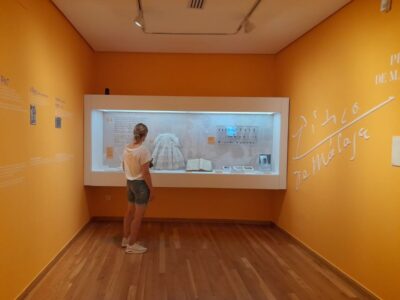
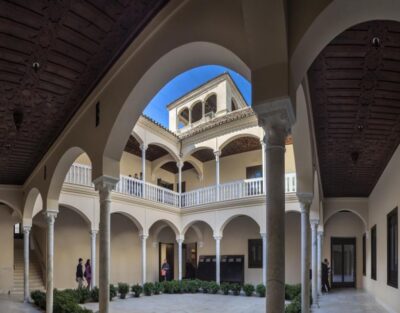
Picasso Museum Guided Tour with Skip-the-Line Ticket
Read our review →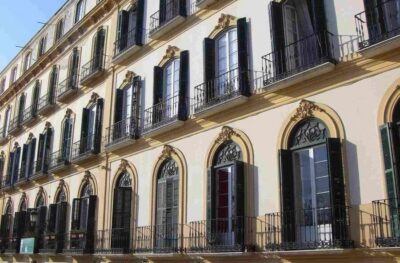
Picasso Birthplace Museum Ticket & City Audio Guide
Read our review →
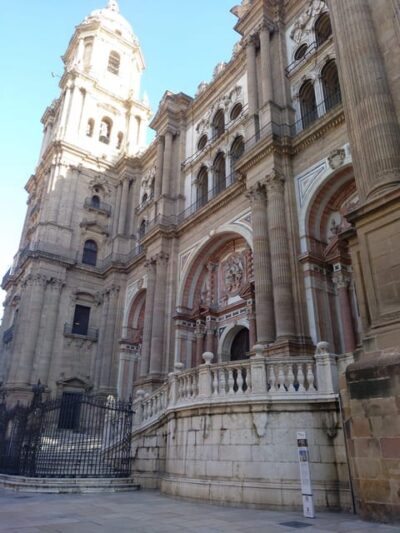
Old Tour Walking Tour w/Cathedral & Picasso Museum
Read our review →
Browse the lists this tour appears in