
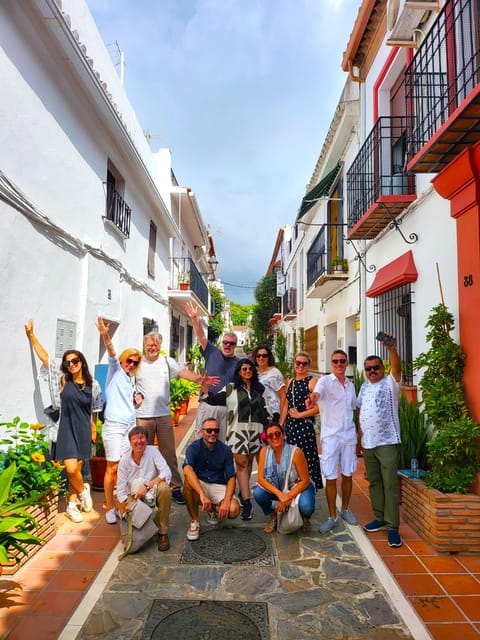
Reviewed · MALAGA WALKING TOURS
Marbella: Sightseeing Walking Tour
This 90-minute Marbella walking tour is interesting because it turns street-level sights into clear stories about how the town formed. I like the way you focus on what you can actually see, not just names on a map, and I love how Orange Square gives you a real feel for everyday town life mid-walk. One thing to consider: it is a fast sprint, so if you want long, ticketed museum-style stops, you will feel limited.
You walk with an expert local guide who shares religious heritage, the leftovers of a Moorish castle, and key Castilian-era landmarks. If you are the type who asks questions and enjoys architecture details, this format is a strong fit. The tour is also offered in multiple languages, including English, so you can stay fully on track.
Finally, the experience includes guided time only. Entrance to monuments is not included, and you may spend more time looking from the outside than stepping into every site. Still, the walk hits the highlights people come for, including the Salvador Dalí statues.
Key highlights worth your attention
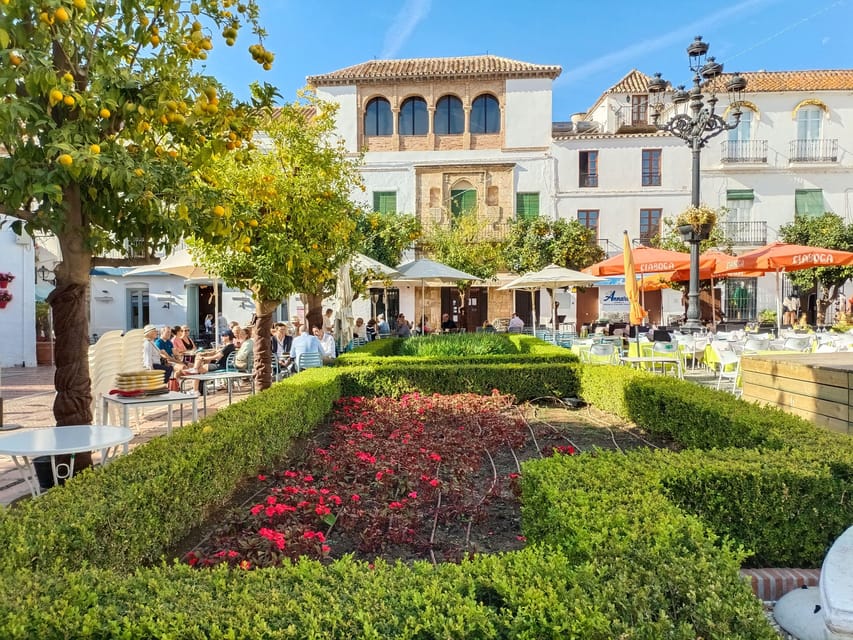
- Orange Square as a true town hub, where cafes and shops sit around major landmarks
- Religious architecture focus, including a main church and the Cathedral area
- Moorish castle remnants and the Alcazaba area, visible evidence of Marbella’s earlier layers
- Castilian buildings from the Modern Age, giving the old town a later shape
- Salvador Dalí statues, surreal art in a very real Spanish street setting
- A guide who gives practical context, often including customs and tips for typical local food
Marbella in 90 minutes: why this walking format fits
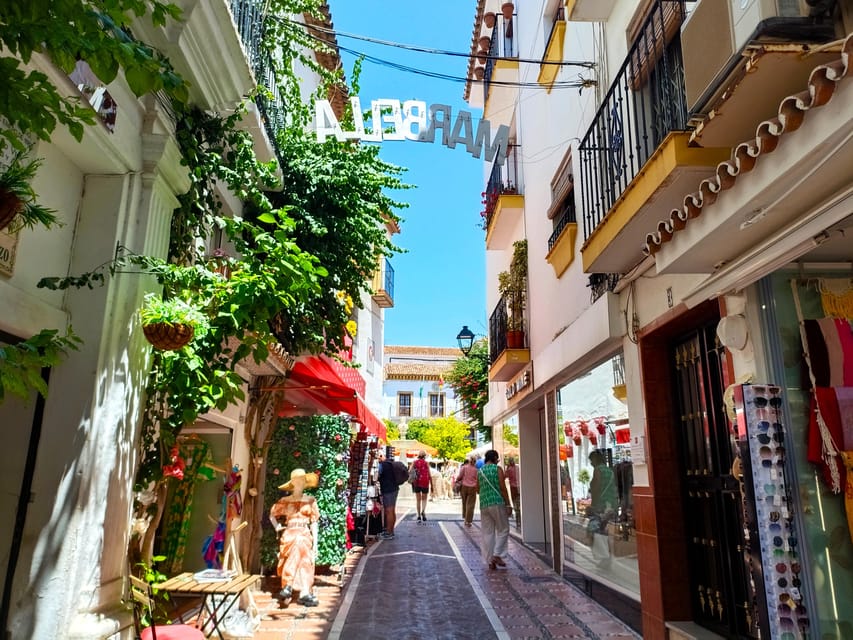
Marbella can feel like two towns at once. There is the coastline glamour many people arrive for, and then there is the older center where history still shows up in squares, church fronts, and stone details you would miss if you only rush between photos. This tour is built for the second Marbella. You get a compact route that stays concentrated on the most recognizable landmarks.
The best part is how the time stays focused. Ninety minutes is long enough for your guide to connect dots, but short enough that you can still do beach time, a late lunch, or another neighborhood walk the same day. That matters in Costa del Sol towns, where your schedule can easily get swallowed by driving, parking, and meal timing.
At $29 per person, the value comes from one thing: you are paying for a knowledgeable live guide, not for a bundle of attraction tickets. If you go in with comfortable shoes and a willingness to learn as you walk, you usually come away feeling like you understood more than you would have on your own. If you want a ticket-heavy itinerary with lots of long interior visits, you might feel the structure is too light.
More guided walks around Marbella:
- Marbella: Puerto Banus Night Life Walking Tour
★ 4.8 · 11 reviews - Marbella: Private Walking Tour
★ 4.6 · 6 reviews - Marbella: Private Customizable Walking Tour with Guide
★ 4.5 · 3 reviews
Starting at Parque de la Alameda or Alameda Park: get your bearings early
You start with one of two options: Parque de la Alameda in the Alameda Park area, depending on the version you booked. Either start point is helpful because it sets you up for a smooth transition into the old-town center. Parks also tend to be easier to gather in than a tight alley, which helps if you are meeting a group for the first time.
This is not the kind of tour where you will be hopping on and off public transit. It is a walking loop, so your first job is simple: settle your pace. Bring comfortable clothes and plan on some uneven pavement. Marbella has lots of stonework and curb changes in the center, and ninety minutes passes faster than you expect once you start moving.
I like having a park start for one practical reason. You get a minute to orient yourself, then your guide can steer the group from modern streets toward older structures without the walk feeling chaotic. It helps you notice where the town center tightens and how the landmark density increases as you head toward the squares and church area.
If you are traveling with kids, older relatives, or anyone who prefers a steady pace, this start setup tends to work well because the opening segment is usually calmer than the later tight-street sections. Also, the tour is wheelchair accessible, so the route is set up with that in mind.
Orange Square and the main church: Marbella’s religious heritage in human scale

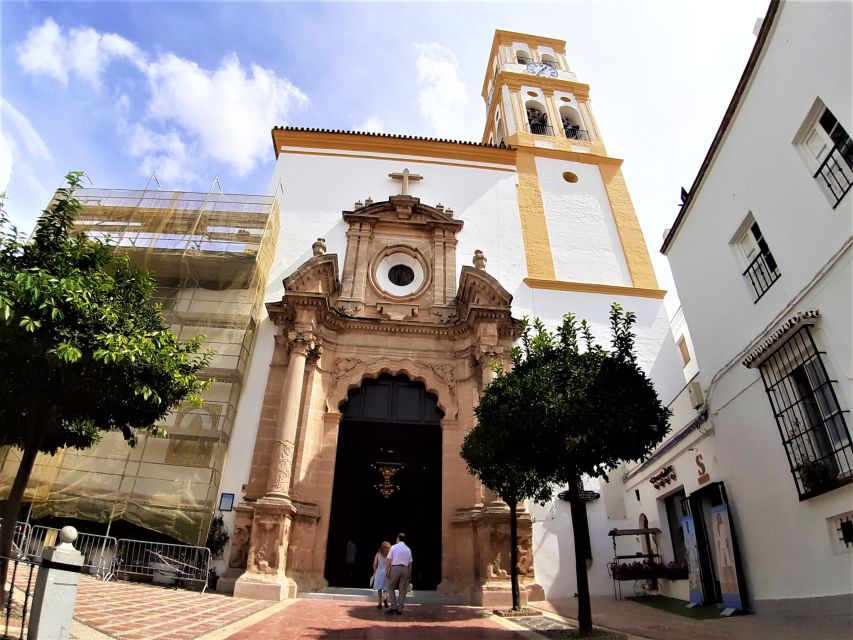
The walking route centers on the heart of Marbella, especially Orange Square. It is easy to see why the square is such a focal point. It functions as a social reset, with places to sit, grab a drink, and regroup while you listen to your guide. The setting also helps you understand why the church and surrounding civic buildings matter. This is not a remote monument. It is part of daily movement and everyday conversation.
From Orange Square, the tour shifts into the religious heritage of Marbella. You will see major worship landmarks, including the main church and the Cathedral area. Even if you do not step inside, the exterior details tend to make sense once the guide places them into context. Architectural cues, facade layout, and how buildings face the square become clearer when someone narrates why the design looks the way it does.
A key value here is clarity. Religious buildings can look intimidating if you only see them as photo backdrops. With a guide, you start noticing what to look for: how the building anchors the space, how the square relates to the church frontage, and how the surrounding streets funnel you toward the landmark. This is where the tour can feel like a shortcut to real understanding.
One practical consideration: entrance to monuments is not included. So if you want to go inside the Cathedral or other church interiors, you may need to plan that separately. Still, the tour is designed so the walk itself delivers the story, even when you are only viewing from outside.
Moorish castle remnants and Castilian buildings: seeing layers without needing a museum ticket
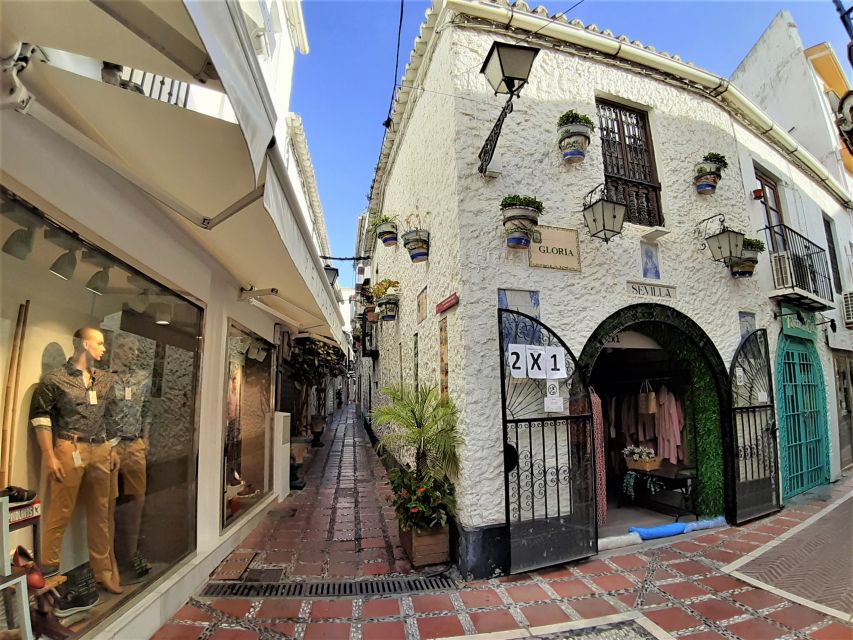
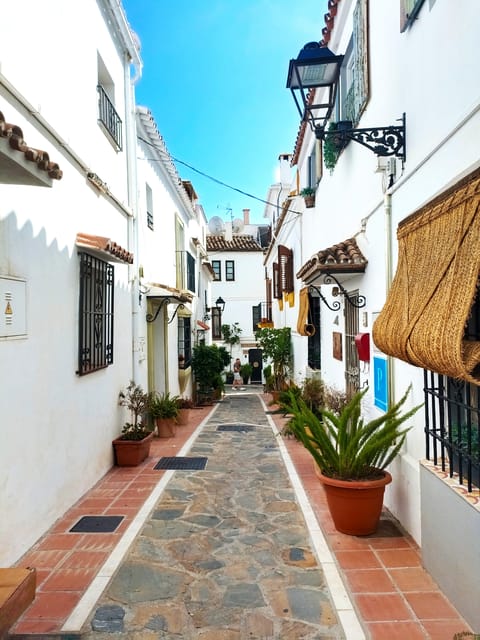
Marbella’s old center carries visible leftovers from earlier eras, and this tour leans into that. You will encounter remnants of the Moorish castle, plus the Alcazaba area. Even without going deep into detailed dates, the physical evidence matters. The stones, the way structures sit in relation to the streets, and the fortress-like logic of certain sections help you grasp the town’s strategic past.
Then you shift forward into later influence through Castilian buildings from the Modern Age. That is an important phrase because it signals what the guide will focus on. Instead of treating Marbella as only Moorish or only Spanish, you see the transition in the built environment. Castilian-era architecture gives the town a different rhythm than fortress remnants, and once you notice that contrast, the center makes more sense as one evolving place.
If you are the type who likes architecture that feels lived in, this portion is usually a favorite. You are not staring at a distant ruin. You are walking past structures that connect directly to modern streets. The value is in noticing how the past is still present in the same walking paths you use today.
The one drawback is simple: you will not have unlimited time at each spot. The tour is paced for a group, and some areas may require you to keep moving so everyone stays together. If you spot a detail you really want to study, you may want to do a quick photo pause and then keep pace, rather than stopping for long stretches. Ninety minutes can feel short when you start enjoying the street-level details.
More things to do around Marbella:
- From Marbella: Guadalmina River Guided Canyoning Adventure
★ 4.9 · 1,486 reviews - Marbella: Sailing & Dolphin Watching with Snacks and Drinks
★ 4.7 · 1,062 reviews - From Marbella: Canyoning Tour in Guadalmina Canyon
★ 5.0 · 778 reviews - From Malaga or Costa del Sol: Mijas, Marbella & Puerto Banus
★ 4.5 · 677 reviews
Salvador Dalí statues in Marbella: surreal art that makes the walk memorable
One of the most fun parts of the route is encountering Salvador Dalí statues. It sounds like a strange pairing at first. Dalí is surrealism, and Marbella is seaside Andalusia. But the effect works because the statues give you a jolt of imagination inside a very normal pedestrian world.
What I like about this stop is how it changes your posture as you walk. You go from studying architecture and historical leftovers to looking for symbolic shapes, playful forms, and the kind of public art that invites conversation. You can almost feel the town slowing down as you get closer to the statues.
This is also a great moment for anyone who thinks art tours are too abstract. Here, you can enjoy the visuals immediately, then let your guide connect them to Marbella’s identity. Even if you are not a hardcore Dalí fan, the statues tend to land with most people because they are instantly noticeable and photograph well without requiring museum-level quiet.
The only consideration is that public art can be affected by placement, crowds, and how the group moves through the area. If you want the best photos, listen for your guide to point out the best angles, then take your pictures fast and move on. You will still have time to enjoy it without turning the tour into a photo marathon.
What the guide brings: stories, customs, and food suggestions
The guide is the heart of this experience. With a live guide, you get more than names. You get explanations that make the landmarks feel tied to real life in Marbella, including the town’s customs and local religious context.
In past guided sessions, guides have been praised for a specific mix: historical and cultural knowledge paired with a warm, conversational style. One named example is Eduardo, who has stood out for passion and deep understanding of Marbella’s culture and history. The key is not just facts. It is how those facts help you read the town while you are still walking through it.
I also like that this tour tends to come with practical side notes. In the same way a great local friend might point you toward a place to eat after a walk, the guide can suggest spots to try typical local food. You are not locked into a restaurant plan, but you leave with a better idea of where to go next based on what you just learned.
That is a big deal for value. At $29, you want the guide to change your decisions after the tour. If you walk away knowing which direction to head for lunch and what to notice in the old center, the time feels well spent.
Price, comfort, and practical tips for a $29 tour
Let us talk value, because $29 for ninety minutes is either a great deal or a disappointment depending on what you expect. Here is the deal breakdown you can plan around:
- You pay for a tour guide and live narration.
- Entrance to monuments is not included, so do not assume every landmark is ticketed inside.
- Gratuity is at your discretion, meaning you may want to budget a tip if the guide does a good job.
Given that, the tour is best when you treat it as orientation plus interpretation. Think of it as a guided lens. You can see the highlights like Orange Square, religious landmarks, fortress remnants, Castilian buildings, and Dalí statues, and then decide which places you want to revisit later for interior time or slower lingering.
Comfort matters too. Wear comfortable shoes, because you are walking in the historic center and you will likely deal with uneven surfaces. Dress in comfortable clothes, and plan to handle warm weather with water and sun protection if you are doing this in the high season.
Group dynamics are also part of the value. The tour runs with a minimum of four participants. That means you are less likely to get a super solo, awkward experience, and more likely to have a lively group conversation. If you prefer quieter pacing, the tour also offers private group availability, which can be ideal for couples, small families, or anyone wanting a custom tempo.
Who this tour suits best in Marbella
This is a great fit if you want a high-impact old-town introduction without spending half a day on logistics. You get a tight loop through the center, with a clear focus on religious landmarks, Moorish castle remnants and Alcazaba area structures, Castilian buildings from the Modern Age, and Dalí statues.
It also suits multi-generational travel. The route naturally hits big, readable landmarks that older relatives can enjoy too, and the pace is short enough for kids or anyone who cannot do long walking days. I would especially recommend it for first-timers who want to understand Marbella beyond the beach.
Where it might not fit: if you expect lots of monument interior access, this tour may feel light because entrance fees are not included. If you want a slower, deeper historical study with long museum time, you might prefer a longer guided format or a plan that includes separate timed entrances.
Language should not be a barrier either. You can join in Spanish, English, French, German, or Italian. That matters because the guide’s explanations are what make the walking landmarks click.
Should you book Marbella: Sightseeing Walking Tour?
Book it if you want a smart first pass through the old center, especially if you care about how Marbella developed through Moorish and later Castilian influence. You will appreciate the way the tour ties Orange Square, major religious landmarks, castle remnants and Alcazaba-related areas, and Salvador Dalí statues into one understandable walk.
Skip it or pair it with extra time if your top priority is ticketed interior visits. This tour is built for guided seeing, not a catalog of paid entrances. It is also short, so go in with comfortable expectations, then plan a follow-up wander or lunch afterwards so you have time to absorb what stood out.
If you are booking under $29, you are mostly buying perspective. And if you get a guide like Eduardo style, where passion and clear storytelling are the focus, you will come away with the kind of local context that makes the rest of your day in Marbella feel easier.
FAQ
How long is the Marbella sightseeing walking tour?
It lasts 90 minutes.
Where does the tour start?
You can choose between two starting locations, Parque de la Alameda (Alameda Park) or the other option listed as Alameda Park, and the exact meeting point may vary depending on the option booked.
What languages are available for the live guide?
The tour is offered in Spanish, English, French, German, and Italian.
What is included in the price, and what is not?
The tour includes a tourist guide. Entrance to monuments is not included, and gratuity is at your discretion.
Do I need a minimum number of people for the tour to operate?
Yes, a minimum of four participants is required for the tour to operate.
Is the tour wheelchair accessible, and is there a private group option?
Yes, it is wheelchair accessible. Private group availability is also offered.
What flexibility do I get with booking and cancellation?
You can reserve now and pay later (pay nothing today). Free cancellation is available up to 24 hours in advance for a full refund.
Fresh options around Marbella
- Nerja & Frigiliana Private Day Trip from Malaga or Marbella★ 5.0 · 13 reviews
- Marbella and Mijas Day Tour and Puerto Banus and Benalmadena★ 4.5 · 11 reviews
- Mijas, Marbella and Banus Day Tour from Costa del Sol★ 4.5 · 7 reviews
- Marbella y Mijas Full Day Tour from Malaga★ 3.0 · 10 reviews
- 2 day sailing to Sotogrande from Marbella★ 5.0 · 5 reviews
- 2 Hours Dolphin Watching in Marbella★ 5.0 · 22 reviews
- 4 Hours Bottom Fishing Day by boat from Marbella★ 5.0 · 23 reviews
- 3 Hours Boat Tour along the Marbella Coast★ 5.0 · 56 reviews
Malaga Walking Tours, compared.

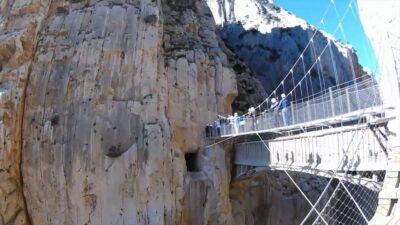
El Chorro: Caminito del Rey Gorge Route Guided Walking Tour
Read our review →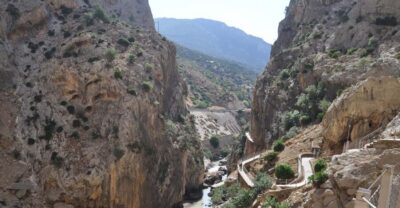
Ardales: Caminito del Rey & El Gaitanejo Guided Walking Tour
Read our review →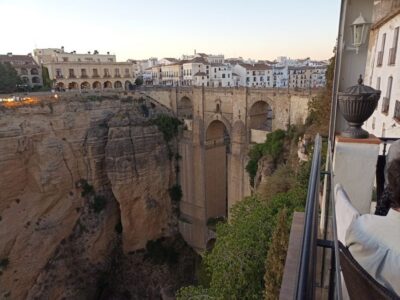
Ronda: Guided Walking Tour with English or Spanish Guide
Read our review →
Cathedral, Alcazaba, Roman Theater Walking Tour
Read our review →

Malaga Private Walking Tour, Alcazaba & Catamaran Cruise
Read our review →
Browse the lists this tour appears in